
How Long Does Vanilla Extract Last? Pure, Imitation and Paste

Pure vanilla extract lasts indefinitely, opened or unopened, as long as the cap is screwed on tight and the bottle stays in a cool, dark cupboard. Imitation vanilla and alcohol-free vanilla flavoring don't keep as long, so use them by the best-by date. Vanilla bean paste is best within about a year of opening, and whole vanilla beans within about 6 months.
Vanilla rarely spoils in a way that can hurt you. What it does is fade, evaporate or pick up off smells when it's stored badly. Pick your vanilla and the day you opened it in the calculator below, and it shows how long it keeps in the cupboard, and whether the fridge or freezer is worth it.
Free calculator
Vanilla shelf life calculator
Pick your vanilla and the day you opened it to see how long it keeps and where to store it.
More free baking tools



Vanilla shelf life at a glance
Here's the short version. "Opened" times count from the day you first broke the seal. All of these assume a cool, dark cupboard, away from the stove, the oven vent and sunny windows.
| Vanilla | Cupboard | Fridge | Freezer |
|---|---|---|---|
| Pure vanilla extract, unopened | Indefinitely | Not needed | Not recommended |
| Pure vanilla extract, opened | Indefinitely, tightly capped | Not needed | Not recommended |
| Imitation vanilla, unopened or opened | Until the best-by date | Not needed | Not recommended |
| Alcohol-free vanilla flavoring | Until the best-by date | Only if the label says so | Not recommended |
| Vanilla bean paste, opened | About 1 year for best flavor | Not needed | Not recommended |
| Whole vanilla beans | About 6 months for best flavor | Not recommended | Not recommended |
| Vanilla powder | Until the best-by date | Not recommended | Not recommended |
"Indefinitely" means pure extract doesn't spoil under normal storage. It doesn't mean the flavor stays at full strength forever if the bottle is left open or kept somewhere warm. Most bottles get used up long before age becomes a question, but a bottle that has sat in the back of the cupboard for years is worth a sniff before you bake with it.
Why pure vanilla extract keeps so long
Pure vanilla extract is made by soaking cured vanilla beans in a mix of alcohol and water. In the US, a product labeled "pure vanilla extract" has to meet a federal standard that includes a minimum alcohol content of 35 percent. That much alcohol makes the bottle a very poor place for bacteria, yeast or mold to grow. It's the same reason other extracts made the same way, like almond or lemon, last a long time.
The flavor compounds in vanilla are also fairly stable when they're dissolved, kept in the dark and kept sealed. What harms them is:
- Heat, which speeds up the breakdown of aroma and drives off the alcohol that carries it.
- Light, which slowly fades flavor. That's why most vanilla comes in brown or dark bottles.
- Air, which lets the alcohol and the lighter aroma compounds evaporate every time the cap is off or loose.
Keep those three out, and pure vanilla extract stays good for as long as you own it. Food safety guidance for home pantries lists extracts among the foods that keep a long time on the shelf, and pure vanilla in particular is generally described as keeping indefinitely. The best-by date you see on a store bottle is the maker's estimate of peak flavor, not a safety cutoff.
Does vanilla extract get better with age?
Store-bought extract is finished when it's bottled. The beans have already been removed and filtered out, so there's nothing left in the bottle to keep adding flavor. It won't noticeably improve sitting in your cupboard, and if anything, a bottle that's opened often slowly loses some aroma. Use it while it's at its best rather than saving a good bottle for years.
Pure, imitation and vanilla flavor: what's in the bottle
The label tells you a lot about how long a bottle will last, because the base liquid is what preserves it.
| Label says | What it is | What keeps it fresh | Shelf life |
|---|---|---|---|
| Pure vanilla extract | Vanilla beans soaked in alcohol and water | At least 35 percent alcohol | Indefinitely, tightly capped |
| Vanilla extract (no "pure") | Usually the same as pure, check the label | Alcohol | Indefinitely, if it's a true extract |
| Imitation vanilla | Vanillin, usually made in a lab, in water and often some alcohol | Less alcohol, sometimes none | Until the best-by date |
| Vanilla flavor or vanilla flavoring | Vanilla or vanillin in glycerin or propylene glycol | No alcohol, sometimes added preservatives | Until the best-by date |
| Vanilla bean paste | Extract, ground beans and seeds in a thick sugar syrup | Alcohol and sugar together | About 1 year for best flavor once opened |
| Vanilla powder | Dried, ground beans, sometimes mixed with sugar | Dryness | Until the best-by date, kept dry |
The less alcohol a product has, the more it depends on its packaging and preservatives, and the more closely you should follow its date. For a deeper look at how these compare in recipes, the vanilla extract substitute guide covers the swap amounts, and what vanilla bean paste is explains the paste in detail.
 Baking guideVanilla Extract Substitute: 9 Swaps and Exact RatiosShow me the ratios →
 Baking guideWhat Is Vanilla Bean Paste? Uses, Ratios and StorageSee the chart →
How to store vanilla extract
Good storage is simple, and it's the main thing that decides whether a bottle smells wonderful for years or goes flat in a few months.
- Keep it in its original bottle. Dark glass or plastic blocks light. If you move it to a clear container, keep that container inside a closed cupboard.
- Screw the cap on tight every time. A loose cap is the most common reason extract weakens. The alcohol evaporates, taking aroma with it, and you can lose a surprising amount of liquid over a year.
- Store it somewhere cool and dark. A pantry or a cupboard away from the oven is ideal. Avoid the shelf above the stove, the spot next to the dishwasher vent, and the windowsill.
- Measure away from the steam. Pouring vanilla into a spoon held over a pot of hot liquid lets steam into the bottle and warms the neck. Measure on the counter, then add it.
- Wipe the rim. Sticky drips around the neck can keep the cap from sealing, and can collect dust or grow mold on the outside.
- Write the opening date on imitation, alcohol-free or paste products, since those are the ones with real time limits.
Summer kitchens, hot cars and moving house
A few days of heat won't ruin pure vanilla extract, but long stretches of warmth do speed up the fading. A bottle left in a hot car after shopping, packed in a moving box in a summer truck, or kept in a cupboard that bakes in afternoon sun can lose noticeable aroma over a season. Imitation and alcohol-free products are more sensitive, since they have less protection to begin with. If a bottle has been through a hot spell, let it cool, give it the smell test described below, and carry on if it passes. The same cool, dark, dry spot that suits vanilla also suits your chocolate, and how to store chocolate explains why heat leaves chocolate streaky and pale.
 Baking guideHow to Store Chocolate So It Never Turns WhiteSee how long it keeps →
The same habits keep other baking flavorings in good shape. If you keep almond, lemon or peppermint extract on the same shelf, they follow almost the same rules, and the almond extract guide covers how strong almond is compared with vanilla.
 Baking guideAlmond Extract Substitute: 6 Swaps With Exact AmountsFind my swap →
Should vanilla go in the fridge or freezer?
No. Pure vanilla extract doesn't need either one, and both can make it worse.
- The fridge doesn't extend its life, because it already keeps indefinitely in a cupboard. Cold can also make some of the dissolved compounds come out of solution, leaving the extract slightly cloudy until it warms up. It's harmless, but it's a sign the fridge isn't helping.
- The freezer won't freeze pure extract solid because of the alcohol, but it can make it cloudy and thick. There's no benefit, and moving a cold bottle into a warm kitchen can pull condensation into the neck.
- Whole vanilla beans should never go in the fridge. The cold, dry air draws out their moisture, and the condensation that forms when you take them out can lead to mold.
- Alcohol-free vanilla flavoring is the one exception to watch. Some brands say to refrigerate after opening, since they lack the preservative effect of alcohol. If yours does, follow the label.
In short, a dark cupboard is the right home for almost every vanilla product you'll buy.
Vanilla bean paste and vanilla powder
Vanilla bean paste
Vanilla bean paste is a thick, syrupy mix of vanilla extract, ground vanilla beans and seeds, and sugar or a thickener. Between the alcohol and the sugar, it resists spoilage well. An unopened jar keeps until its best-by date. Once opened, it's best within about a year. Some jars stay good longer, but the flavor fades and the paste can thicken or dry out around the rim.
Paste has one weak spot: the spoon. Because you scoop it rather than pour it, it's easy to carry in a drop of water, a bit of batter or a crumb of butter. That's how mold gets started in a jar that would otherwise last. Always use a clean, dry spoon, and wipe the rim before closing the lid.
Vanilla powder
Vanilla powder is either pure ground vanilla bean or a mix of vanilla and sugar or starch. It's dry, so moisture is its only real enemy. Keep it in an airtight jar in a dry cupboard, and use it by the best-by date. If it clumps into a hard mass, moisture has gotten in, and it's best to replace it. Don't keep it in the fridge, where it picks up humidity.
Whole vanilla beans
Whole vanilla beans are the most delicate form of vanilla. They're best within about 6 months of buying, while they're still soft, plump and bendable. After that they slowly dry out and lose aroma, although a dried bean can still flavor milk or sugar if you split it and steep it longer.
To keep them at their best:
- Wrap the beans tightly in plastic wrap or wax paper.
- Put the wrapped beans in an airtight glass jar or tube.
- Store them in a cool, dark cupboard, not the fridge.
- Open the jar every few weeks for a minute to let a little air in. This helps prevent mold in very moist beans.
White crystals sometimes form on the outside of high-quality beans. That's natural vanillin, and it's a sign of a flavorful bean, not spoilage. Fuzzy spots, especially gray or green ones, and a musty smell are mold, and those beans should be thrown out. The difference: vanillin crystals are sparkly and hard, and they melt cleanly if you warm them in your fingers, while mold is soft, fuzzy and dull.
Using up spent pods
Already scraped the seeds? Don't throw away the empty pod. Bury it in a jar of sugar to make vanilla sugar for sprinkling on cookies and fruit. After about a week, the sugar smells clearly of vanilla. Rinsed and fully dried pods work too, but they must be completely dry first, since any moisture can cause clumps or mold in the jar. Vanilla sugar keeps as long as plain sugar does, in an airtight jar in a dry cupboard. Replace the pod if it ever looks fuzzy or smells musty. Types of sugar covers which sugars work best for that kind of flavoring.
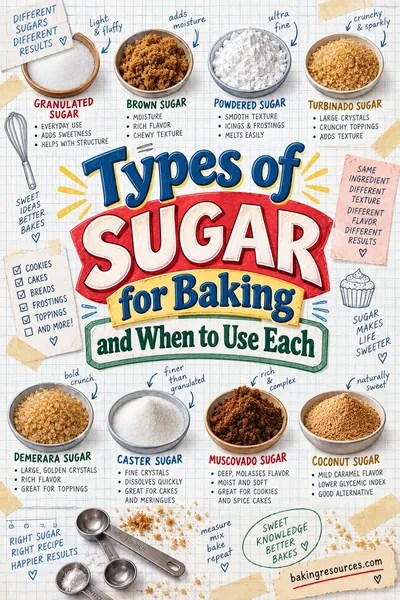 Baking guideTypes of Sugar for Baking and When to Use EachGet the details →
Don't store a split pod in milk, cream or syrup "to keep infusing." Anything with dairy belongs in the fridge and follows the dairy's own short time limit, and the pod doesn't make it last any longer.
Does vanilla extract go bad? How to tell
Pure vanilla extract almost never spoils, but it can lose flavor or get contaminated. Imitation, alcohol-free and paste products can spoil. Here's what to look for.
Throw it out if you see
- Mold or anything growing in the bottle or jar, on the surface, or around the rim.
- A sour, musty or fermented smell instead of a sweet vanilla one.
- Cloudiness or slime in imitation vanilla or alcohol-free flavoring that wasn't there before and doesn't clear when the bottle warms to room temperature.
- Separation into watery layers in paste, with a sour smell.
- Clumped, damp powder that smells off.
Signs that are only about quality
- A weaker smell. The extract has lost some aroma. It's safe, but you may need a little more for the same flavor.
- A lower level in the bottle than you remember. Evaporation from a loose cap. The rest is still fine.
- Darker color. Pure extract can darken a little over time. That's normal.
- A little sediment at the bottom. Tiny bits of bean can settle in pure extract. Give it a shake.
- A sharp alcohol smell with little vanilla behind it. The aroma has faded more than the alcohol. Use it in baked goods, where it matters least, and buy fresh for frosting and whipped cream.
How to check if your vanilla is still strong
There's no need for a lab test. Your nose does the job.
- Smell the open bottle. Good extract smells rich, sweet and rounded, with the alcohol fading quickly behind it.
- Put a drop on the back of your hand or a paper towel and wait 30 seconds. The alcohol evaporates quickly, and what's left should smell clearly of vanilla. If you smell almost nothing after the alcohol fades, the extract has lost most of its flavor.
- Compare with something you know is fresh, if you have it. A new bottle next to an old one makes the difference obvious.
A bottle that smells a little weak can still be used. For baked goods, add about a quarter more than the recipe calls for, so 1 1/4 teaspoons in place of 1 teaspoon. Oven heat drives off much of vanilla's aroma anyway, so cookies and cakes are forgiving. For uncooked recipes like buttercream, whipped cream or no-bake desserts, where vanilla is the main flavor and every bit of aroma shows, use your freshest bottle. How to make buttercream and how to make whipped cream are two places where a fresh bottle really pays off.
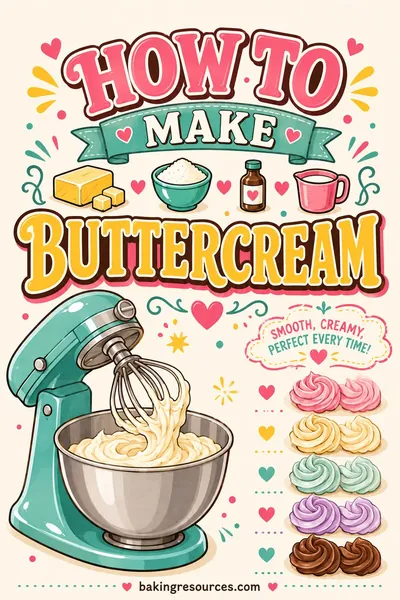 Baking guideHow to Make Buttercream: The 5 Types and When to Use EachRead the step by step →
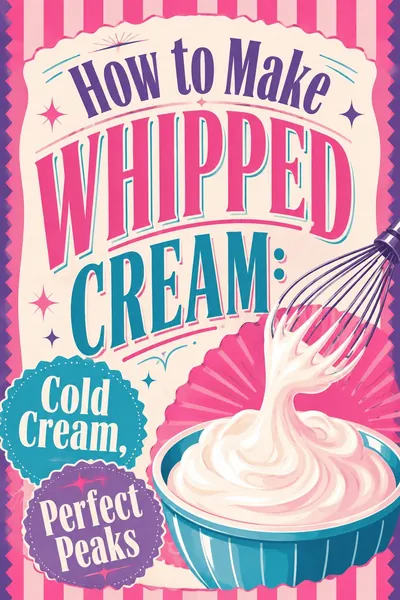 Baking guideHow to Make Whipped Cream: Cold Cream, Perfect PeaksSee how it's done →
Other extracts on the same shelf
Most bakers keep a few other flavorings next to the vanilla. The same rule of thumb applies to all of them: the more alcohol in the base, the longer it keeps, and heat, light and loose caps are what wear it down. Unlike pure vanilla, though, most other extracts do slowly lose their character, so follow the best-by date for the best flavor.
| Extract | What keeps it fresh | How long | What fades first |
|---|---|---|---|
| Pure almond extract | Alcohol | Until the best-by date, often longer if tightly capped | Strength slowly drops, the scent turns flat |
| Imitation almond | Some alcohol or none | Until the best-by date | Can turn harsh or medicinal |
| Lemon or orange extract | Alcohol | Until the best-by date | Citrus oils go stale and bitter fastest of the common extracts |
| Peppermint extract | Alcohol | Until the best-by date | Fairly stable, slowly weakens |
| Maple, coconut or other flavorings | Varies, check the label | Until the best-by date | Depends on the base liquid |
| Liquid food coloring | Water or glycerin, with preservatives | Until the best-by date | Can separate or dry around the cap |
Citrus extracts deserve a sniff test before holiday baking, since a stale lemon extract can make a cookie taste bitter rather than bright. Peppermint is popular in December for bark and cookies, and a weak bottle shows quickly in candy, where it's the main flavor. If an extract smells harsh, sour or musty instead of like itself, replace it.
Should you mix extracts in one bottle?
No. Keep each one in its own original bottle with its own cap. Mixing them makes it impossible to know what you're adding, and combining products with different bases can shorten the life of the stronger one. If you like a vanilla and almond blend in a recipe, measure them separately each time.
Buying vanilla so it lasts
A few choices at the store make storage easier at home.
- Buy the size you'll use. Pure extract keeps indefinitely, so a large bottle is fine if you bake often and store it well. If you bake only for the holidays, a smaller bottle opened less often keeps its aroma better. Imitation and alcohol-free products have real dates, so buy them in sizes you'll finish.
- Check the label for "pure vanilla extract." That tells you it's the long-keeping kind. "Vanilla flavor" or "imitation" means the date matters.
- Be careful with unlabeled or unusually inexpensive vanilla bought abroad. The US Food and Drug Administration has warned that some vanilla products sold outside the US, especially some imitation vanillas, have contained coumarin, a substance not allowed in food in the US. Stick to products with a clear US ingredient label.
- Check the seal. Unopened bottles should have an intact seal. A broken seal or a sticky, leaking cap on a new bottle is a reason to pick a different one.
- Look at the date on paste and powder. These have shorter lives than extract, so a fresher date gives you more time.
Measuring accurately also stretches a bottle further. Small amounts like 1/2 teaspoon are easy to overpour straight from the bottle. How to measure ingredients has tips for small liquid amounts.
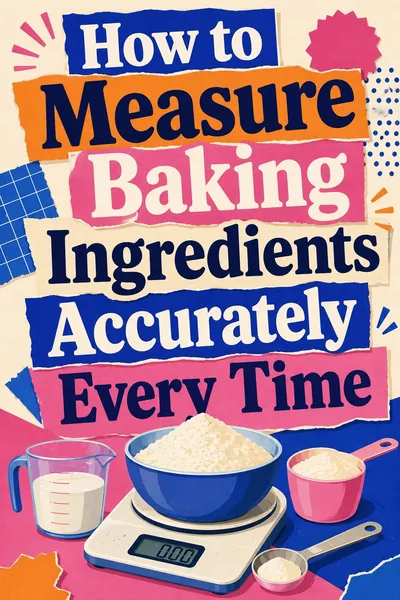 Baking guideHow to Measure Baking Ingredients Accurately Every TimeShow me how →
Worked example: a holiday pantry check
Say it's Saturday, November 14, and you're checking your baking cupboard before Thanksgiving pies and Christmas cookies. You find three vanilla products.
A half-full bottle of pure vanilla extract, opened about 3 years ago. The cap was on tight, and it's been in a cupboard away from the stove. It smells strong and sweet, and a drop on a paper towel still smells clearly of vanilla after 30 seconds. It's good to use. Pure extract keeps indefinitely, and this one passed the smell test, so it goes into the pumpkin pie and the frosting.
A bottle of imitation vanilla with a best-by date of last March. It smells fine and looks clear, but it's past the date the maker gave it, and imitation vanilla has less alcohol to protect it. Since it's not unsafe-looking, you could use it in a strongly spiced cookie where vanilla is a minor flavor, but the cautious choice is to replace it. You throw it out and add vanilla to the shopping list.
A jar of vanilla bean paste, opened 14 months ago. It's a little thick around the rim, and the aroma is weaker. There's no mold and no sour smell. It's past the 1 year window for best flavor, so you use it up in the next batch of sugar cookies, adding a bit extra, and buy a new jar for the holiday buttercream.
That 10 minute check saves you from finding a dead bottle halfway through a recipe on a busy baking day. It's a good time to check your other leavening and flavorings too. How long baking powder lasts has a quick test for the can on the same shelf.
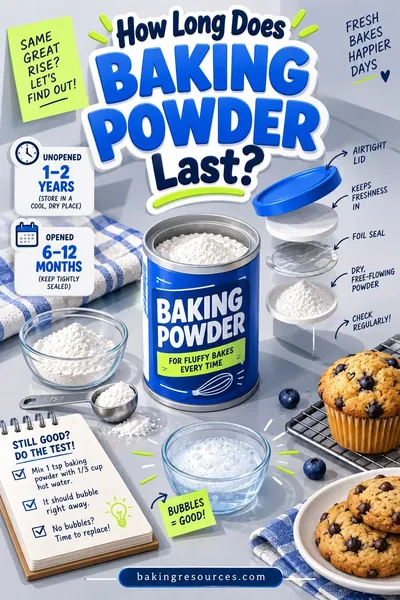 Baking guideHow Long Does Baking Powder Last? 6 to 12 Months Once OpenedGet the storage times →
Vanilla in the holiday baking season
From Thanksgiving through New Year's, vanilla gets used more than any other flavoring in most kitchens: in pumpkin pie, sugar cookies, buttercream, eggnog-flavored treats, whipped cream and nearly every cake. A few seasonal tips:
- Keep the bottle away from the busy oven. During a baking marathon, the cupboard near the oven can stay warm for days. Move the vanilla to a cooler spot for the season.
- Cap it between every recipe. It's tempting to leave the bottle open on the counter for a whole day of baking. Several hours open, several days in a row, adds up to real evaporation.
- Use your best vanilla where it shows. Save the freshest bottle or the paste for cold and lightly baked recipes like frosting, whipped cream, custards and cut-out sugar cookies. Older but still good extract works well in spiced recipes like pumpkin pie, where cinnamon and ginger lead.
- Giving vanilla as a gift. A bottle of pure vanilla extract makes a good gift for bakers because it keeps indefinitely. Give it sealed, with the label intact, so the recipient knows exactly what it is.
- Gifting baked goods. Vanilla's shelf life doesn't change the shelf life of what you bake with it. Cookies, cakes and breads follow their own storage times, and how to store baked goods covers those.
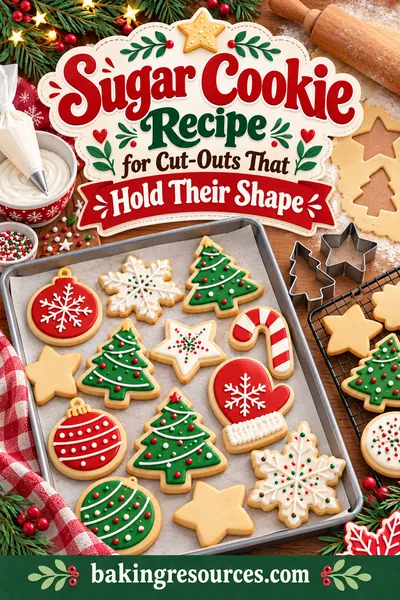 Baking guideSugar Cookie Recipe for Cut-Outs That Hold Their ShapeTake a look →
Common vanilla storage mistakes
- Leaving the cap loose. The number one reason vanilla loses its strength. Twist it until it stops.
- Storing it above the stove. Convenient, but the heat and steam fade the flavor fastest there.
- Putting vanilla beans in the fridge. They dry out and can grow mold from condensation.
- Dipping a used spoon into paste. Batter, butter or water in the jar is how paste spoils.
- Pouring vanilla over a steaming pot. Steam gets into the bottle and the heat drives off aroma.
- Moving extract into a clear bottle on the counter. Light fades it. Keep it dark.
- Throwing out good extract because of the date. Pure vanilla extract that smells strong is fine to use, even past the best-by date.
- Keeping imitation or alcohol-free flavoring for years. Those do have real limits. Follow the date.
Questions people ask
Does vanilla extract expire?
Pure vanilla extract doesn't really expire. Its high alcohol content keeps it from spoiling, so it keeps indefinitely if the cap is tight and the bottle stays in a cool, dark cupboard. The best-by date is about peak flavor. Imitation vanilla and alcohol-free vanilla flavoring are different, and should be used by the best-by date on the bottle.
Can I use vanilla extract past the best-by date?
If it's pure vanilla extract and it still smells strong and sweet, yes. Put a drop on a paper towel and wait 30 seconds. If it still smells clearly of vanilla, it's good. Imitation vanilla and alcohol-free flavoring past their dates are better replaced, especially if they look cloudy or smell off in any way.
Should vanilla extract be refrigerated after opening?
No. Pure vanilla extract keeps best in a cool, dark cupboard with the cap screwed on tight. The fridge doesn't extend its life and can make it slightly cloudy. The one exception is alcohol-free vanilla flavoring, since some brands say to refrigerate after opening. Follow the label on those.
How long does imitation vanilla last?
Imitation vanilla lasts until the best-by date on the bottle, opened or unopened, as long as it's tightly capped and kept in a cool, dark place. It has less alcohol than pure extract, sometimes none, so it doesn't keep indefinitely. Throw it out if it turns cloudy, grows anything, or smells sour or musty.
How can you tell if vanilla extract has gone bad?
Pure extract rarely spoils, but check for mold, a sour or musty smell, or cloudiness that doesn't clear at room temperature. A weak smell, a lower level in the bottle, darker color or a little sediment only mean it has lost some flavor or evaporated. Those bottles are safe, though you may need a bit more in a recipe.
How long does vanilla bean paste last?
An unopened jar keeps until its best-by date. Once opened, vanilla bean paste is best within about a year, stored in a cool, dark cupboard with the lid tight. Always scoop it with a clean, dry spoon, since water or batter carried into the jar is the usual reason paste spoils early.
How long do vanilla beans last?
Whole vanilla beans are best within about 6 months, wrapped tightly and kept in an airtight jar in a cool, dark cupboard. Don't refrigerate them, since they dry out and can grow mold. Sparkly white crystals on a bean are natural vanillin and are fine. Fuzzy, dull spots and a musty smell are mold, so throw those beans away.
Why is my vanilla extract cloudy?
Pure extract can turn a little cloudy if it gets cold, since some of the dissolved compounds come out of solution. Let it sit at room temperature and shake it. If it clears, it's fine. Cloudiness in imitation or alcohol-free vanilla that doesn't clear, especially with a sour smell or slime, can mean spoilage, so throw it out.