
Classic Pumpkin Pie Recipe

This pumpkin pie works because the filling is a simple custard: canned pumpkin, eggs and evaporated milk, warmed with cinnamon, ginger and cloves. It bakes in two stages. First comes 15 minutes at 425°F to set the bottom crust fast, then the oven drops to 350°F so the filling cooks gently and stays silky instead of cracking. You pull it out while the center still wobbles a little.
Plan on a little over 5 hours from start to finish, with only about 40 minutes of real hands-on work. Most of that time is the dough chilling and the pie cooling. The recipe card below scales the pie to your pan or to several pies, and it switches every amount to grams.
Recipe card
Pumpkin Pie recipe
Pick your pie pan and how many you need. Every amount, the bake time and your start time update for you.
More free baking tools



Why This Pumpkin Pie Recipe Works
Pumpkin pie is really a custard pie. The eggs hold everything together, the evaporated milk makes it creamy, and the pumpkin brings body and flavor. Custards set when the egg proteins warm up and link together, and they turn grainy or crack when those proteins get too hot. Everything in this recipe is built around that one fact.
The hot start at 425°F gives the raw crust a quick blast of heat from below, so the bottom firms up before the wet filling can soak in. Then the oven drops to 350°F, which is gentle enough that the outside of the filling doesn't overcook while the middle catches up. If your oven runs in Celsius or you have a fan oven, the oven temperature converter gives you the matching settings.
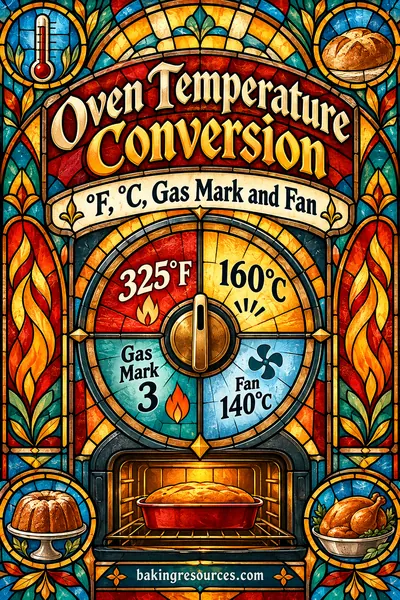 Free toolOven Temperature Conversion: °F, °C, Gas Mark and FanWork out my amount →
Evaporated milk is the other quiet hero. About 60 percent of the water has been cooked out of it, so you get a richer, firmer custard without the heaviness of cream. Less water also means less steam, and steam is one of the things that pushes a custard to crack.
The Ingredients and What Each One Does
For the crust
The crust is a simple all-butter dough. Flour gives it structure, a spoonful of sugar helps it brown, and salt keeps it from tasting flat. The cold butter is what makes it flaky. When those pea-sized bits of butter hit the hot oven, the water in them turns to steam and puffs the dough into layers. If you're new to this part, this guide on cutting butter into flour shows what the mix should look like at each stage.
 Baking guideHow to Cut Butter Into Flour for Flaky Pastry Every TimeShow me how →
Ice water brings the dough together. Add it slowly, because too much water makes a sticky dough that shrinks and bakes up tough.
For the filling
- Pumpkin puree: Use plain canned pumpkin, not pumpkin pie filling. The pie filling version already has sugar and spice in it, so your pie would turn out too sweet and over-spiced.
- Granulated sugar: Sweetens the pie and also softens the custard, because sugar slows down how fast the eggs set.
- Cinnamon, ginger and cloves: The classic trio. Cloves are strong, which is why the recipe uses only a quarter teaspoon.
- Salt: Makes the pumpkin taste like pumpkin and keeps the sweetness in check.
- Eggs: They do the setting. Here's more on what eggs do in baking if you're curious why custards depend on them.
- Evaporated milk: Creamy, rich and less watery than regular milk. This page on how evaporated milk compares with regular milk explains why the two don't act the same in baking.
 Baking guideWhat Do Eggs Do in Baking? Structure, Lift and RichnessLearn more →
 Baking guideSubstituting Evaporated Milk for Whole Milk in BakingSee the swaps →
Easy swaps
| Ingredient | Swap | What changes |
|---|---|---|
| Evaporated milk | Half-and-half or heavy cream, same amount | Cream gives a richer, denser pie; half-and-half is close to the original |
| Granulated sugar | Packed brown sugar, same amount | Deeper, caramel-like flavor and a darker filling |
| Cinnamon, ginger and cloves | About 2 tsp pumpkin pie spice | Very similar flavor; most blends add nutmeg and allspice |
| Canned pumpkin | Homemade roasted pumpkin or squash puree, drained well | Fresher taste, but watery puree can make a soft pie, so drain it thick |
| Homemade crust | A store-bought deep-dish shell | Saves about 2 hours of chilling time |
Out of brown sugar too? You can make your own brown sugar with white sugar and molasses in under a minute.
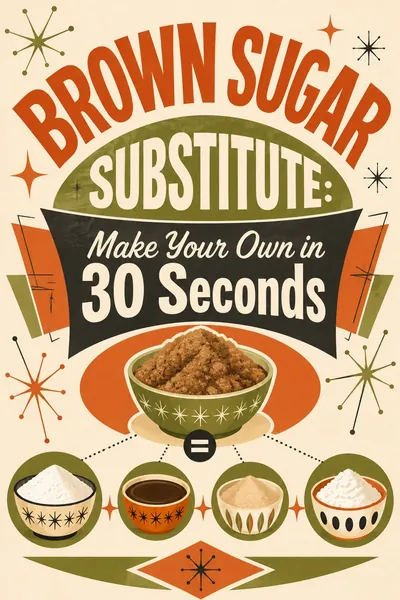 Baking guideBrown Sugar Substitute: Make Your Own in 30 SecondsPick a substitute →
Step-by-Step Tips (What to Look and Feel For)
Making the dough
Keep everything cold, even your hands if you can. The dough is ready when a handful holds together when you squeeze it but still looks a little shaggy. If it feels smooth and soft like play dough, it's had too much water or too much handling. That's one of the top reasons covered in why pie crust turns out tough.
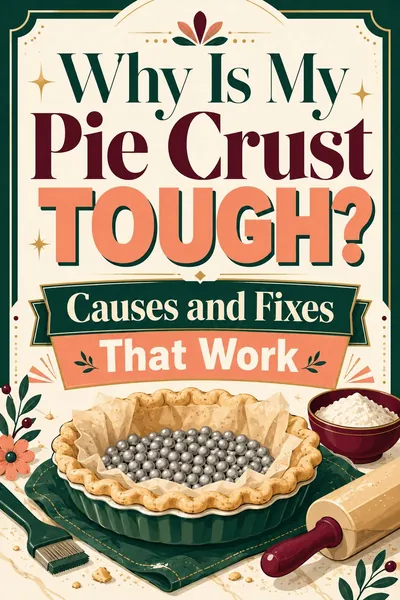 Baking guideWhy Is My Pie Crust Tough? Causes and Fixes That WorkFind out why →
Rolling and fitting
The hour of chilling isn't optional. It firms the butter back up and lets the gluten relax, so the crust doesn't shrink down the sides of the pan. When you roll, turn the dough a quarter turn every few passes so it stays round and doesn't stick. Ease it into the pan by lifting the edges and letting it fall into the corners. Stretching it pulls it thin, and stretched dough shrinks back in the oven.
Mixing the filling
Whisk the pumpkin with the sugar, spices and salt first. This gets the spices spread out evenly before any liquid goes in. Then add the eggs, then the milk. Whisk until it's smooth, but don't whip it. Beating air into a custard makes foam on top and tiny bubbles that can look like pinholes after baking. The filling should be pourable, about as thick as pancake batter.
Getting it into the oven
Set the pie on a rimmed baking sheet before you pour, so it's easy to carry. Fill it to just below the crimp. Bake on the lower third rack, because that spot gets more heat from below and helps the bottom crust brown. This guide on which oven rack to use explains why.
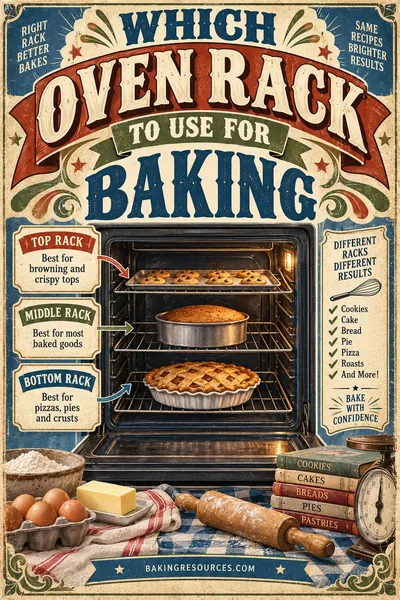 Baking guideWhich Oven Rack to Use for Baking: Top, Middle, LowTake a look →
Does the crust need to be blind baked? Not for this recipe. The hot start does that job. If soggy bottoms have bugged you in the past, though, you can partly blind bake the pie crust first and then bake the filled pie at 350°F only.
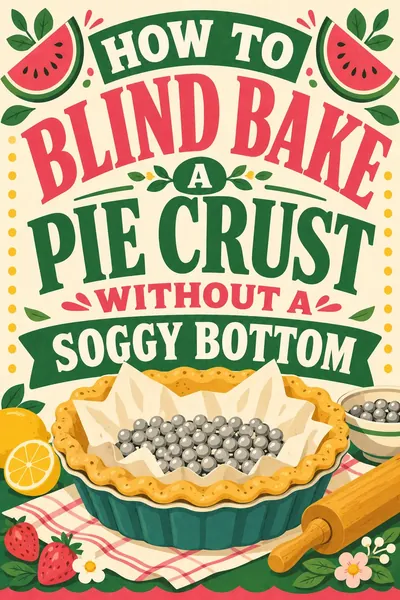 Baking guideHow to Blind Bake a Pie Crust Without a Soggy BottomSee how it's done →
How to Tell When Pumpkin Pie Is Done
This is the step that matters most. Gently nudge the pan. The outer edge of the filling should look set and slightly puffed, and only the center 2 inches should still wobble like set gelatin. It should jiggle as one piece, not ripple like liquid.
For a sure answer, use an instant-read thermometer. The center of the filling should read about 175°F. Custard keeps cooking from its own heat after it leaves the oven, so pulling it here lets it coast to fully set as it cools without going too far.
The knife test works too. A thin knife slid in about an inch from the center should come out mostly clean.
| What you see | What it means | What to do |
|---|---|---|
| Whole surface ripples like liquid | Underbaked | Bake 5 more minutes, then check again |
| Edges set, center 2 inches wobble gently | Done, about 175°F | Take it out and cool on a rack |
| Nothing moves and the edges puff high | A little overbaked | Take it out now and cool it slowly |
| Cracks are already forming | Overbaked | Remove at once; cover the cracks with whipped cream |
Pan Sizes and Bake Times
The base recipe fills a 9 inch deep-dish pie pan. Pick another pan in the card above and the amounts change for you. Here's how the timing shifts. Not sure what you have? This rundown of pie pan sizes helps you measure and tell a standard pan from a deep-dish one.
 Baking guidePie Pan Sizes: Standard, Deep Dish and Tart Pan GuideSee the sizes →
| Pan | Amount of base recipe | Slices | Bake time |
|---|---|---|---|
| 9 inch deep-dish | 1x | 8 | 15 min at 425°F, then 40 to 50 min at 350°F |
| 9 inch standard | 0.8x | 8 | 15 min at 425°F, then 35 to 45 min at 350°F |
| 10 inch | 1.15x | 10 | 15 min at 425°F, then 45 to 55 min at 350°F |
| 8 inch | 0.65x | 6 | 15 min at 425°F, then 30 to 40 min at 350°F |
For a 10 inch pan, roll the dough a little bigger than 12 inches so you still get about a 1 inch overhang. If you want to change the recipe in other ways, like halving it for a small dinner, the recipe converter does the math. For odd egg amounts, beat the eggs together and weigh or measure out the part you need.
 Free toolRecipe Converter: Halve, Double or Scale Any RecipeDo the math for me →
Thanksgiving Make-Ahead Timeline
Pumpkin pie is one of the best desserts to make ahead, because it needs time to set anyway. Here's an easy plan that keeps your oven free on the big day.
| When | What to do |
|---|---|
| Up to 3 months before | Make the dough, shape it into a disk and freeze it |
| 2 to 3 days before | Make fresh dough or move frozen dough to the fridge to thaw |
| 1 day before (morning) | Roll, fit and crimp the crust; chill the shell 30 minutes |
| 1 day before (midday) | Mix the filling, bake, then cool at least 2 hours on a rack |
| 1 day before (evening) | Cover loosely and refrigerate |
| Thanksgiving Day | Take it out 30 to 60 minutes before serving if you like it less cold; add whipped cream right before slicing |
For more on wrapping disks and thawing them without cracks, see how to freeze pie dough.
Storing and Freezing Pumpkin Pie
Because the filling is made with eggs and milk, pumpkin pie belongs in the fridge once it has cooled. It can sit out for the cooling time and for serving, but not overnight. Cover it loosely with plastic wrap or foil and it keeps well for 3 to 4 days. The crust softens a bit each day, so the first two days are the best.
To freeze, cool the pie fully, chill it, then wrap it tightly in plastic wrap and then foil. It keeps for about 1 month. Thaw it overnight in the fridge, still wrapped, so condensation forms on the wrap instead of the pie. The texture may turn slightly softer after freezing, but the flavor holds up nicely. This general guide on storing baked goods covers which treats belong on the counter and which need the fridge.
Pumpkin Pie Troubleshooting
| Problem | Likely cause | Fix next time |
|---|---|---|
| Crack across the top | Baked too long or too hot, or cooled too fast | Pull it at about 175°F in the center and cool it on a rack away from drafts |
| Soggy bottom crust | Oven not fully hot, or pie baked too high in the oven | Heat the oven fully and bake on the lower third rack |
| Crust shrank down the sides | Dough stretched into the pan or not chilled | Ease it in loosely and chill the shell the full 30 minutes |
| Edges getting too dark | Thin crimp browns faster than the filling sets | Cover the edge with a foil ring or pie shield partway through |
| Watery layer under the filling | Overbaked custard squeezing out liquid | Check the temperature earlier and pull it sooner |
| Grainy or curdled texture | Filling got too hot | Watch the done temperature and don't skip the drop to 350°F |
| Bland flavor | Old spices or salt left out | Use spices that still smell strong when you open the jar |
| Bubbles or foam on top | Filling whisked too hard | Whisk just until smooth, and tap the pan gently before baking |
Fun Variations to Try
- Brown sugar pumpkin pie: Swap the white sugar for packed brown sugar for a deeper, toffee-like taste.
- Extra spiced: Add 1/4 teaspoon nutmeg and a pinch of black pepper with the other spices.
- Vanilla and maple: Stir in 1 teaspoon vanilla extract and replace a few tablespoons of sugar with maple syrup.
- Gingersnap crust: Use a pressed cookie-crumb crust instead of pastry, and skip the long dough chill.
- Whipped cream topping: A soft pile of homemade whipped cream right before serving is the classic finish, and it hides any small crack.
- Mini pies: Bake the filling in a muffin pan lined with small rounds of dough. Start checking them much sooner, since small pies set fast.
Baking Pumpkin Pie at High Altitude
Custard pies are friendly to high altitude, because they have no baking powder or baking soda to adjust. There are just two small changes. Above 3,000 feet, add 1 to 2 tablespoons more evaporated milk so the custard doesn't dry out. Then bake toward the low end of the 350°F time range and start checking 10 minutes early, because water boils off faster up high. For cakes, cookies and breads you'll need more changes, and this high-altitude baking chart lays them out by elevation.
Questions people ask
Can I use pumpkin pie filling instead of pumpkin puree?
Not in this recipe. Canned pumpkin pie filling already has sugar and spices mixed in, so adding the sugar and spices here would make the pie far too sweet and heavily spiced. Look for a can that says 100% pure pumpkin or pumpkin puree. If pie filling is all you have, follow the directions printed on that can instead of this recipe.
Why did my pumpkin pie crack?
Cracks almost always mean the custard got too hot. Either it baked a little too long, or the oven ran hotter than its dial says. Take the pie out when the center 2 inches still wobble and the middle reads about 175°F. Cooling it on a rack away from cold drafts helps too, since a sudden temperature change can make the top split.
How far ahead can I make pumpkin pie for Thanksgiving?
You can bake it a day or two ahead and keep it covered in the fridge. One day ahead is the sweet spot, because the crust is still crisp and the filling has fully set. The dough can be made up to 3 months early and frozen, which takes the slowest step off your list during the busy holiday week.
Does pumpkin pie need to be refrigerated?
Yes. The filling is made with eggs and milk, so once the pie has cooled for a couple of hours, it should go into the fridge. Covered loosely, it keeps for 3 to 4 days. It's fine to set it out on the table for serving, and many people like to let it sit out for half an hour so it isn't fridge-cold.
Can I make this pumpkin pie with fresh pumpkin?
You can. Roast a small sugar pumpkin or pie pumpkin until soft, scoop out the flesh and puree it until smooth. Fresh puree holds more water than canned, so let it drain in a fine strainer or cook it down in a pan until it's as thick as canned pumpkin. Then measure the same amount the recipe calls for.
Do I need to blind bake the crust for pumpkin pie?
No. This recipe starts the pie at 425°F for 15 minutes on the lower oven rack, which sets the bottom crust before the filling can soak in. If you want an extra-crisp bottom, you can partly blind bake the shell first, then fill it and bake at 350°F only, checking the center temperature a little earlier.