
Almond Extract Substitute: What to Use and How Much

The best almond extract substitute is imitation almond extract or almond emulsion, swapped 1 to 1, because they taste almost exactly the same. If all you have is vanilla, use 2 teaspoons of vanilla extract for every 1 teaspoon of almond extract. Almond extract is about three to four times stronger than vanilla, so doubling the vanilla keeps the flavor from tasting thin, even though it won't taste like almond.
Want the almond taste back? Add some toasted almonds to the batter along with the vanilla. Pick your amount and a swap in the calculator below and it gives you the exact measurements, from a tiny 1/8 teaspoon for icing up to a big cookie batch.
Free calculator
Almond extract substitute calculator
Pick how much almond extract your recipe calls for, then tap a swap to see the exact amount.
More free baking tools


The quick answer: almond extract swaps ranked
Almond extract is a tiny-bottle ingredient with a big voice. Most recipes use only 1/4 to 1 teaspoon, and that little bit is enough to make sugar cookies, cherry pie or a white cake taste like it came from a bakery. Here are the swaps, best first, written for 1 teaspoon of almond extract.
| Swap | For 1 tsp almond extract | Tastes like almond? | Nut-free option? |
|---|---|---|---|
| Imitation almond extract | 1 tsp | Yes, almost identical | Often, check the label |
| Almond emulsion | 1 tsp | Yes | Check the label |
| Vanilla extract | 2 tsp | No, but warm and sweet | Yes |
| Vanilla bean paste | 2 tsp | No, but rich vanilla | Yes |
| Vanilla + toasted almonds | 2 tsp vanilla + 1/4 cup almonds | Yes, gentle and nutty | No |
| Orange extract + vanilla | 1/2 tsp orange + 1 tsp vanilla | No, bright citrus | Yes |
Looking for swaps beyond extracts? The baking substitutions chart has exact ratios for dozens of everyday ingredients.
 Free toolBaking Substitutions: Exact Ratios for 41 IngredientsUse the free tool →
How strong is almond extract?
Almond extract is roughly three to four times stronger than vanilla extract. That's why a recipe might call for 2 teaspoons of vanilla but only 1/2 teaspoon of almond. It's also why too much almond extract is such a common baking mistake: go even a little heavy and the cake tastes bitter, like cough drops instead of marzipan.
That strength works in two directions, so it helps to keep both in mind.
Swapping vanilla in for almond
Vanilla is the weaker flavor, so you use more of it, about double. It won't make the bake taste of almond, but it keeps it from tasting flat or eggy.
Swapping almond in for vanilla
Sometimes it's the opposite problem: you're out of vanilla and have a bottle of almond. Use a quarter of the vanilla amount, and never more than a third.
| Recipe calls for vanilla | Use this much almond extract |
|---|---|
| 1/2 tsp vanilla | 1/8 tsp almond |
| 1 tsp vanilla | 1/4 tsp almond |
| 2 tsp vanilla | 1/2 tsp almond |
| 1 tbsp vanilla | 3/4 tsp almond |
For the full list of ways to replace vanilla itself, see our vanilla extract substitute guide.
 Baking guideVanilla Extract Substitute: 9 Swaps and Exact RatiosWhat can I use? →
Pure vs imitation almond extract
Here's a surprise: pure almond extract doesn't taste much like the almonds you snack on. Its flavor comes from an oil found in bitter almonds and in the pits of apricots and cherries. That's why almond and cherry taste so good together, and why almond extract has that sweet, marzipan-like smell.
Imitation almond extract uses the same main flavor compound, just made another way. Because the key flavor is the same, the two taste almost identical in baking. Imitation versions can taste a little sharper on their own, but once they're in a batter, few people can tell.
Almond emulsion is the third option. It's water-based instead of alcohol-based, so less of the flavor cooks off in the oven. You can swap it 1 to 1 for extract. Bakers who make lots of decorated cookies often prefer emulsions because the flavor stays bright even after baking.
Baking for someone with a nut allergy
If you're baking for someone with a tree nut allergy, please follow their doctor's or allergist's advice first. This page only covers flavor swaps.
- Pure almond extract is made from almond or other stone fruit oil. Treat it as a nut ingredient.
- Imitation almond extract is often made without any nuts, but recipes and factories differ. Read the label every time, including any "made in a facility" notes.
- Vanilla extract, vanilla paste and orange extract are the simplest nut-free choices.
- Skip the toasted almond swap entirely, along with almond flour and almond paste.
Nut-free holiday baking can still taste special. Our snowball cookies without nuts show how to keep that classic texture with no almonds or pecans at all.
 Baking guideSnowball Cookies Without Nuts: What to Use InsteadFind my swap →
Which swap to use in which bake
Sugar cookies and royal icing
Almond is the secret flavor in a lot of bakery sugar cookies. Imitation extract or emulsion is the best match. In icing, use clear imitation extract if you want bright white royal icing, since vanilla paste adds specks and regular vanilla can tint it ivory. If you're adjusting the icing's thickness after adding flavor, our guide to royal icing consistency helps you get it back on track.
 Baking guideRoyal Icing Consistency: Piping, Flood and 10-Second IcingSee the chart →
White and wedding-style cakes
Many white cakes use half vanilla, half almond. Without almond, just use all vanilla, adding double the almond amount. The cake will taste softer and more classic. If you brush the layers with syrup to keep them moist, our simple syrup for cake guide shows how to flavor it with a drop of extract too.
 Baking guideSimple Syrup for Cake: Ratio, Flavors and How to Brush ItLearn more →
Cherry pie and cherry bars
Cherry and almond share the same flavor family, so this is where you'll miss almond most. Imitation extract is the top pick. Vanilla plus a little orange extract makes a nice change.
Buttercream
Vanilla bean paste is wonderful here. Start with the calculator amount, taste, and adjust. For basic recipes and how each type of frosting behaves, see how to make buttercream.
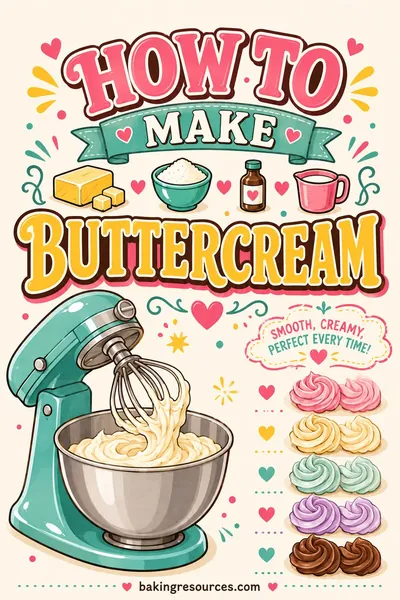 Baking guideHow to Make Buttercream: The 5 Types and When to Use EachSee how it's done →
Worked example: almond sugar cookies without almond extract
Say your cut-out sugar cookie recipe uses 1 teaspoon of vanilla and 1/2 teaspoon of almond extract, and the almond bottle is empty.
- You have imitation extract or emulsion: use 1/2 teaspoon, same as the recipe.
- You only have vanilla: add 1 extra teaspoon of vanilla (double the 1/2 teaspoon of almond), for 2 teaspoons total.
- You want real almond flavor: add 1 extra teaspoon of vanilla plus 2 tablespoons of very finely chopped toasted almonds. Chop them almost to a powder so the cookies still cut cleanly.
- You want something festive: add 1/4 teaspoon of orange extract and 1/2 teaspoon of extra vanilla.
Toasting nuts makes their flavor much stronger, which matters when they're standing in for an extract. Our guide on how to toast nuts gives the times for almonds in the oven and in a skillet.
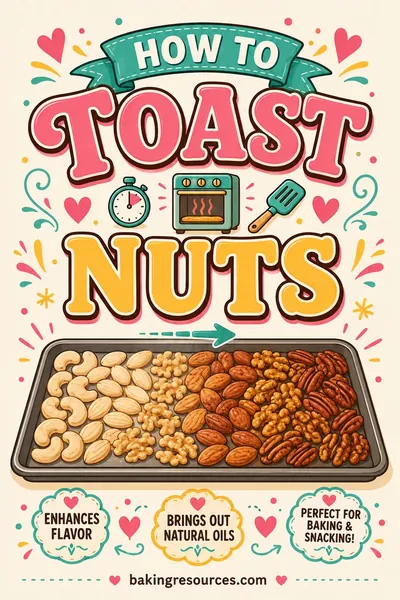 Baking guideHow to Toast Nuts: Times by Type and the 1-Minute RuleShow me how →
Christmas baking without almond extract
Almond extract shows up all over the holiday cookie tray. It's in spritz cookies, jam thumbprints, Linzer-style sandwich cookies, cherry almond bars, holiday sweet breads and those buttery cut-outs everyone fights over. Here's how to handle each one:
- Spritz and butter cookies: imitation extract or emulsion keeps the classic taste. Vanilla bean paste is a lovely alternative.
- Thumbprints and Linzer cookies: vanilla plus orange extract pairs beautifully with raspberry or apricot jam.
- Cherry almond bars: imitation extract, or vanilla plus toasted sliced almonds on top.
- Decorated sugar cookies: clear imitation almond for white icing. Let the icing set fully before stacking; our guide on how long royal icing takes to dry has the timing.
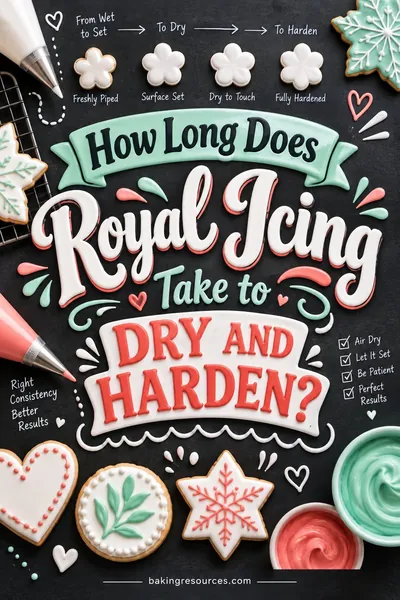 Baking guideHow Long Does Royal Icing Take to Dry and Harden?Read it next →
Baking way ahead? Almond-flavored doughs freeze well. See how to freeze cookie dough, and our list of Christmas cookies that freeze well for the finished cookies.
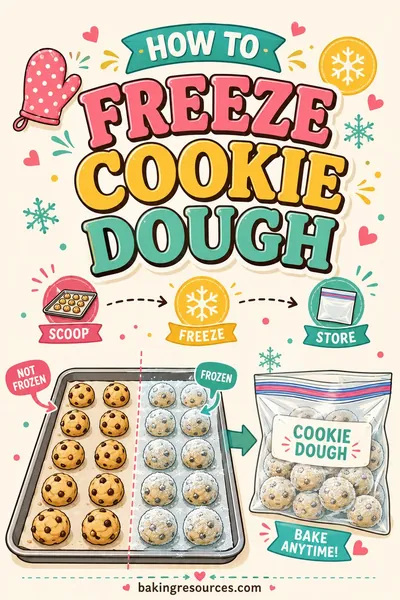 Baking guideHow to Freeze Cookie Dough: Flash Freeze, Then Bag ItCheck the rise times →
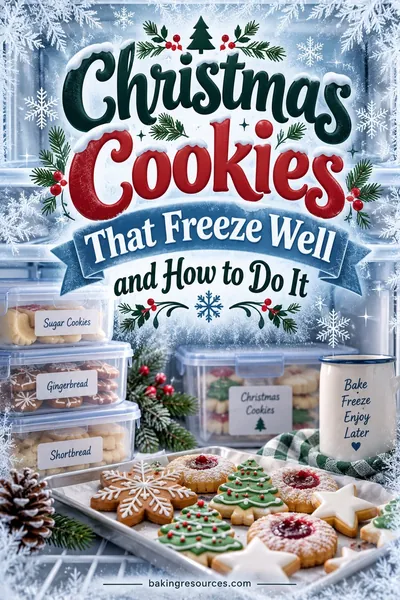 Baking guideChristmas Cookies That Freeze Well and How to Do ItSee how long it keeps →
Common mistakes with almond extract swaps
- Using too much almond in place of vanilla. A 1 to 1 swap makes the bake taste bitter. Use a quarter.
- Using too little vanilla in place of almond. Vanilla is gentler, so a straight swap tastes bland. Double it.
- Measuring over the bowl. Almond extract is so strong that one accidental splash can overwhelm a whole batch. Measure over the sink or a small dish.
- Adding chopped almonds to smooth recipes. Nuts belong in doughs and batters, not in icing, glaze or custard.
- Forgetting the allergy question. Pure almond extract counts as a nut ingredient.
Fixing a batch with too much almond
Overpoured the imitation extract into your dough? It happens to everyone, and the bottle's narrow neck doesn't help. Before you toss the batch, try these fixes.
- Make a bigger batch. The most reliable fix. If you used double the almond, mix up a second batch of dough or batter with no almond at all and combine the two. You'll have twice as many cookies, which is rarely a problem in December.
- Balance with vanilla and salt. A little extra vanilla and a small pinch of salt soften the bitter edge. This only helps when you're slightly over, not double.
- Add a stronger partner. Chocolate, cherry, citrus zest or spices can carry a heavier almond flavor. Almond and chocolate chip cookies taste great even with a bold hand.
- For frosting: beat in more butter and powdered sugar in the same proportions as the recipe, a little at a time, tasting as you go.
Raw cookie dough and batter contain raw flour and often raw eggs, so don't taste them to check the flavor. Bake one test cookie instead and taste that. It takes ten minutes and saves the whole tray.
How to store almond extract
Keep the bottle tightly capped in a cool, dark cupboard away from the stove. Pure almond extract keeps its flavor for years. Imitation extract also lasts a long time, though some bakers find it fades a bit sooner. Emulsions usually have a shorter shelf life than extracts, so check the date on the bottle. If the smell is weak when you open it, the flavor in your bake will be weak too.
Questions people ask
Can I use vanilla extract instead of almond extract?
Yes. Use 2 teaspoons of vanilla extract for every 1 teaspoon of almond extract. Almond extract is about three to four times stronger, so vanilla needs a bigger amount to keep the bake from tasting flat. The result tastes like a vanilla cake or cookie rather than almond, but it will still be delicious.
How much almond extract equals 1 teaspoon of vanilla?
About 1/4 teaspoon. Because almond extract is so much stronger than vanilla, a quarter of the vanilla amount gives a clear almond flavor without turning bitter. Never go higher than about a third of the vanilla amount, and measure over a small dish so you don't accidentally overpour.
Is imitation almond extract as good as pure?
For baking, yes. Both get their main flavor from the same compound, so they taste almost the same once they're in a cake, cookie or frosting. Imitation can taste slightly sharper straight from the bottle. Many imitation versions are made without nuts, but always check the label.
Is almond extract safe for people with nut allergies?
Pure almond extract should be treated as a nut ingredient. Some imitation almond extracts are made without nuts, but that varies by brand and factory, so read the label carefully. For anyone with a tree nut allergy, follow the advice of their doctor or allergist and choose vanilla instead.
What is the difference between almond extract and almond emulsion?
Almond extract is flavor dissolved in an alcohol base, while almond emulsion is water-based. You can use them 1 to 1. Emulsions hold their flavor a little better through baking because less of the flavor cooks off, which is why many cookie decorators like them.
Can I just leave out almond extract?
Yes. Almond extract adds flavor only, not structure, so leaving it out won't change how a cake rises or how cookies spread. The bake will taste a little plainer, so add a splash of extra vanilla. In cherry recipes and almond cookies, you'll notice the difference more than in chocolate bakes.
Can I use almond flour or almond paste instead of almond extract?
Not as a direct swap. Almond flour adds texture and only a mild nutty taste, and replacing some regular flour with it changes how the bake holds together. Almond paste is sweet and dense and also changes the dough. If you want more almond flavor, add toasted chopped almonds alongside vanilla, or buy imitation almond extract.