
Cut-Out Sugar Cookie Recipe

These cut-out sugar cookies keep their sharp edges because the dough has no extra air, a small amount of leavening, and two chills: once as a rolled sheet and again after cutting. They bake at 350°F for 8 to 10 minutes with a 3 inch cutter, and the whole job takes about 2 1/2 hours from mixing to cooled cookies, most of it hands-off chilling time.
One batch makes 24 cookies with a 3 inch cutter, 48 with a 2 inch cutter, or 14 with a 4 inch cutter. The calculator below scales the batch, swaps the bake time for your cutter size, and lays out a timeline so you know when each step happens.
Recipe card
Cut-Out Sugar Cookies recipe
Pick your cookie cutter size and how many you need. Every amount, the bake time and your start time update for you.
More free baking tools



Why This Sugar Cookie Recipe Holds Its Shape
A cut-out cookie has to look like the cutter when it comes out of the oven. Stars need points and trees need their tiers. Three things in this recipe make that happen.
- Less air in the dough. The butter and sugar get beaten for about 1 minute, just until creamy. Long, fluffy creaming whips in air bubbles, and those bubbles expand in the oven and push the edges outward.
- Just a little baking powder. One teaspoon for 3 cups of flour gives the cookies a tender bite without making them puff and round off.
- Two cold rests. The rolled dough chills for at least 1 hour, then the cut shapes chill another 10 minutes. Cold butter takes longer to melt in the oven, so the flour and egg have time to set the shape first.
The result is a flat cookie with crisp edges and a soft center, and a flat top means icing sits level and dries smooth.
The Ingredients and What Each One Does
Every item on this short list pulls its weight. The grams in the recipe card are the most reliable way to match the dough. If you only have cups, our grams to cups converter handles each ingredient by its own weight, since a cup of flour and a cup of sugar weigh very different amounts.
 Free toolGrams to Cups Converter (Ingredient-Aware)Use the free tool →
Unsalted butter
One cup, or 2 sticks (226 g), softened. Butter gives flavor and tenderness, and its firmness when cold is what keeps the shapes crisp. Softened means it dents when pressed but doesn't look shiny or greasy. If your butter comes in a block or you want tablespoons, the butter converter turns sticks into cups, tablespoons and grams. You can use salted butter in a pinch; just drop the added salt.
 Free toolButter Converter: Sticks, Cups, Tablespoons, GramsConvert it now →
Granulated sugar
One cup (200 g). White sugar keeps the cookies pale and crisp at the edges. Brown sugar adds moisture and makes cookies softer and more likely to spread, so it isn't a good swap here.
Egg
One large egg (50 g). The egg binds the dough and sets as it bakes, locking the shape in place.
Vanilla and almond extract
One and a half teaspoons of vanilla, plus 1/2 teaspoon of almond extract if you like. The almond is optional, but it gives that classic bakery sugar cookie flavor. Leave it out for anyone with a nut allergy, or swap in a little extra vanilla or some lemon zest.
All-purpose flour
Three cups (375 g). Flour is the frame of the cookie. Too little and the cookies spread; too much and the dough cracks when you roll it and the cookies turn dry. The 375 g here works out to 125 g per cup, which is what you get when you spoon flour into the cup and level it. Scooping straight from the bag packs in a lot more. Here's how to measure flour the right way.
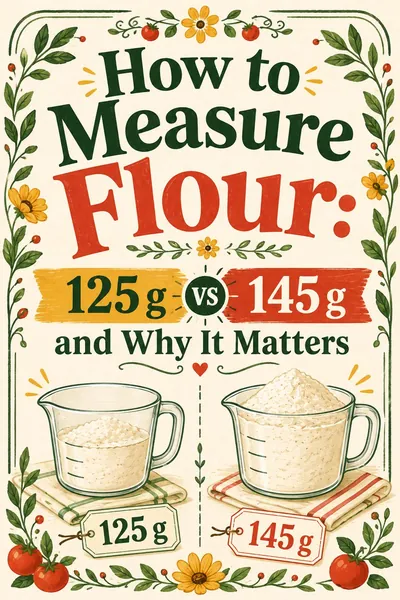 Baking guideHow to Measure Flour: 125 g vs 145 g and Why It MattersShow me how →
Baking powder and salt
One teaspoon of baking powder (4 g) and 1/2 teaspoon of salt (3 g). The baking powder gives a light, tender bite. Salt keeps the cookie from tasting flat and sweet. If you use kosher salt, use a bit more by volume, since its larger flakes take up more room in the spoon.
Step-by-Step Tips for Sharp-Edged Cookies
Mixing: stop sooner than you think
Beat the butter and sugar together for about 1 minute. You want it smooth and creamy, with no streaks of butter, but not pale and fluffy. That's the opposite of what most cake recipes ask for, and our page on how to cream butter and sugar explains why longer creaming means more lift. For cut-outs, less lift is the goal. Add the egg and extracts, then the dry ingredients on low speed. Stop as soon as the dough clumps together and no dry flour shows. If it looks a little crumbly, press it together with your hands.
 Baking guideHow to Cream Butter and Sugar: 3 to 5 Minutes, ExplainedSee how it's done →
Rolling between parchment
Split the dough in half and roll each half between two sheets of parchment paper. This keeps you from adding extra flour to the counter, and extra flour is what makes rerolled cookies tough. Roll to an even 1/4 inch. Peel back the top sheet once to smooth out wrinkles. Rolling guides or two rulers beside the dough keep the thickness even.
Chilling the sheets
Slide the parchment sandwiches onto a baking sheet or cutting board and chill them flat for at least 1 hour. The dough should feel firm and cold all the way through, like a stick of butter straight from the fridge. If you want to know how long is too long, or what to do with dough that's been chilled overnight, see how long to chill sugar cookie dough.
 Baking guideHow Long to Chill Sugar Cookie Dough Before RollingRead the dough guide →
Cutting and rerolling scraps
Heat the oven to 350°F while you cut. Peel off the top parchment, press the cutter straight down, and lift the shapes onto lined baking sheets, 1 inch apart. Gather the scraps, press them together, and reroll them once between parchment. Scraps that get rerolled over and over pick up extra flour and get worked more, so a third round tends to bake up tougher.
The second chill
Pop the trays of cut shapes into the fridge or freezer for 10 minutes. This short chill firms up the edges that softened while you handled them, and it's the single best guard against rounded points.
Cutter Size, Yield and Bake Time
A single batch of dough stays the same no matter which cutter you use. What changes is how many cookies you get and how long they bake. These numbers assume dough rolled 1/4 inch thick and scraps rerolled once.
| Cutter size | Cookies per batch | Bake time at 350°F |
|---|---|---|
| 2 inch | 48 | 6 to 8 minutes |
| 3 inch | 24 | 8 to 10 minutes |
| 4 inch | 14 | 10 to 12 minutes |
Odd shapes like candy canes use more dough, so treat these as a close guide. Bake one tray at a time on the middle rack, and keep same-sized shapes together on a tray so they all finish at once. Need a bigger or smaller batch than the calculator shows? The recipe converter can scale any amount. If your oven only shows Celsius or gas marks, check the oven temperature conversion chart.
 Free toolRecipe Converter: Halve, Double or Scale Any RecipeRun my numbers →
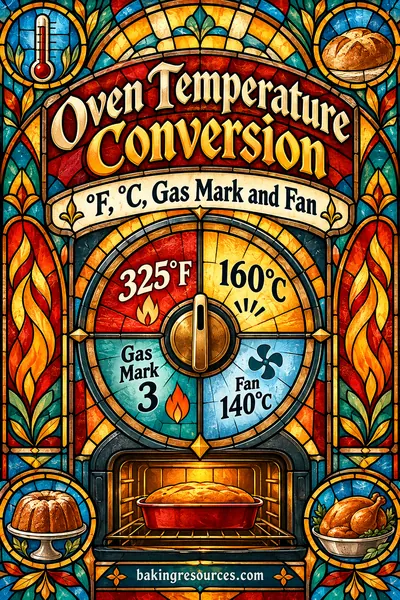 Free toolOven Temperature Conversion: °F, °C, Gas Mark and FanTry the calculator →
How to Tell When They're Done
Sugar cookies for decorating should stay pale. You're looking for edges that look set and dry, with just a thin line of light gold right at the bottom edge. The tops should no longer look shiny or wet, and they shouldn't brown at all. If you nudge a cookie gently, it should hold together instead of looking squishy.
Pull them at the low end of the time range the first time you bake, then adjust. Cookies keep baking a little on the hot tray, which is why they rest 5 minutes on the sheet before moving to a rack. For more signs to watch for, read how to tell when cookies are done.
 Baking guideHow to Tell When Cookies Are Done: 5 Reliable SignsCheck if it's done →
Icing Your Sugar Cookies
Let the cookies cool completely before any icing goes on. Even slightly warm cookies will melt icing and make it slide off the edges.
Royal icing is the classic choice for decorated Christmas cookies because it dries hard, which means you can stack and gift the cookies. You'll want a stiffer icing to pipe outlines and a thinner one to flood the middle. Our guide to royal icing consistency shows how to test each one with a quick count.
 Baking guideRoyal Icing Consistency: Piping, Flood and 10-Second IcingRead it next →
Give the icing plenty of time to set before you add details on top or pack the cookies. A thin flood layer can feel dry on top in an hour or two but stay soft underneath much longer. See how long royal icing takes to dry for the full timeline. A simple powdered sugar glaze or buttercream works too, but it stays soft, so store those cookies in a single layer.
 Baking guideHow Long Does Royal Icing Take to Dry and Harden?See the chart →
A Make-Ahead Timeline for Christmas Cookie Baking
Spreading the work over several days keeps holiday baking calm. Here's one way to plan it.
| When | What to do |
|---|---|
| Up to 3 months ahead | Mix and roll the dough between parchment, then freeze the flat sheets. |
| 3 to 5 days ahead | Mix and roll the dough and keep the sheets in the fridge, well wrapped. |
| 2 to 3 days ahead | Cut, chill and bake the cookies. Cool completely and store airtight. |
| 1 to 2 days ahead | Make the icing, outline and flood the cookies, and let them dry overnight. |
| The day before | Add the small details, then pack the cookies once the icing is firm. |
Rolled sheets of dough are the easiest thing to keep on hand. Let frozen sheets sit out a few minutes before cutting so they don't crack.
Storing and Freezing Sugar Cookies
Plain cookies
Undecorated cookies keep at room temperature in an airtight container for about a week. Put parchment between layers so they don't stick or scratch.
Iced cookies
Once royal icing has dried hard, the cookies keep airtight at room temperature for about a week too. Keep them out of sunlight, which fades bright colors.
Freezing
Sugar cookies freeze very well, both plain and iced. Freeze them in a single layer until firm, then stack them in an airtight container with parchment between layers. To thaw iced cookies, leave the container closed on the counter until it reaches room temperature. Opening it too soon lets moisture bead up on the cold icing and can cause spots or bleeding colors. Our list of Christmas cookies that freeze well has more tips for holiday baking ahead.
The dough freezes even better than the baked cookies. Rolled sheets go into the freezer wrapped flat, and you can also freeze the dough as discs. The steps in how to freeze cookie dough cover wrapping and thawing.
Baking at High Altitude
Above 3,000 feet, air pressure is lower, so leavening gases expand more and moisture leaves faster. That can make sugar cookies puff and spread. Two small changes help:
- Cut the baking powder to 3/4 teaspoon and add 1 to 2 tablespoons more flour.
- Raise the oven to 365°F and bake a minute or two less, so the shapes set before they spread.
For other recipes and higher elevations, see the full high altitude baking chart.
Troubleshooting Sugar Cookies
Most cut-out cookie problems come down to temperature, air or flour.
| Problem | Likely cause | What to do |
|---|---|---|
| Cookies spread and lose their shape | Dough too warm, butter too soft, or too little flour | Chill the cut shapes 10 minutes before baking, use butter that's soft but not greasy, and weigh the flour. |
| Cookies puff up and dome | Too much air from long creaming, or too much baking powder | Cream only about 1 minute and measure the baking powder level, not heaped. |
| Dough cracks when rolling | Dough too cold, or too much flour | Let the chilled sheet sit out 5 to 10 minutes. If it still cracks, the flour was likely packed into the cup. |
| Edges crack after baking | Dough rolled unevenly or too dry | Roll to an even 1/4 inch between parchment and avoid rolling the scraps more than once. |
| Bottoms too brown | Dark pan, low rack, or baking too long | Use a light-colored pan lined with parchment, bake on the middle rack, and start checking at the low end of the time. |
| Cookies are hard | Overbaked or rerolled scraps too many times | Pull them when the edges are barely golden and reroll scraps only once. |
Still seeing round blobs instead of stars? Our guide on how to stop cookies spreading goes through every dough lever one at a time.
Questions people ask
Do I have to chill sugar cookie dough before cutting?
Yes, for cut-outs it makes a big difference. Chilling the rolled sheets for at least 1 hour firms the butter, so the dough cuts cleanly and the shapes hold. A second 10 minute chill after cutting firms up the edges you warmed with your hands. Skip the chills and the butter melts before the cookie sets, which rounds off points and makes the cookies spread.
How thick should I roll sugar cookies?
Roll the dough 1/4 inch thick. That thickness gives a sturdy cookie that holds icing without bending, with crisp edges and a soft center. Thinner dough bakes faster and browns easily, so it turns crunchy and may break when you decorate. Rolling between parchment and using guides or rulers on each side keeps every cookie the same thickness, so a whole tray bakes evenly.
Why did my sugar cookies puff up?
Puffing usually comes from too much air in the dough. Beating the butter and sugar until pale and fluffy whips in air bubbles that grow in the oven. For cut-outs, beat only about 1 minute, just until creamy. A heaped spoon of baking powder can also cause it, so level it off. A puffed cookie is hard to ice neatly because the top isn't flat.
Can I make this sugar cookie recipe without almond extract?
Yes. The almond extract is optional and the cookies are still lovely with vanilla alone. If you want a little more flavor, add an extra 1/2 teaspoon of vanilla or some finely grated lemon or orange zest. Leaving out the almond is also the simple choice when you're baking for someone with a nut allergy or sharing cookies at school or a party.
How far ahead can I make Christmas sugar cookies?
Rolled dough keeps in the fridge for a few days or in the freezer for up to 3 months. Baked, undecorated cookies keep about a week airtight at room temperature. Once royal icing dries hard, iced cookies also keep about a week, or you can freeze them. Many people bake two or three days before an event and decorate the next day.
Why are my sugar cookies hard instead of soft?
Hard sugar cookies usually come from baking too long, rolling too thin, or rerolling the scraps several times. Pull the cookies when the edges look set and only the bottom edge shows a thin line of gold. Roll a full 1/4 inch thick, and reroll scraps just once, since each round works in more flour and makes the dough tougher.