How Many Boxes of Cake Mix per Pan Size

One standard box makes about 4 1/2 cups of prepared batter. That is enough for one 9x13, two 8 inch rounds, two 9 inch rounds, one 8x8 square, one 9x5 loaf, or 24 standard cupcakes. Anything bigger than a 9x13 needs a second box. For a different shape of yield, how many cake pops from one cake mix runs the same box through the crumb and frosting math, and turning a boxed cake mix into cookies shows what to add so one box skips the pan altogether.
So the answer to how many boxes of cake mix per pan size is really one small piece of arithmetic: find your pan's batter capacity in cups, divide by 4 1/2, and round up. The chart below has done that for every common pan, including the awkward ones like bundts and half sheets where people guess wrong and end up with a pancake.
Working out a pan you don't see here? Our free cake pan converter gives you the capacity and the batter volume for any two pans, so you can do this for a shape nobody prints a chart for.
Updated September 2026
How many boxes of cake mix per pan size: the full chart
Every capacity below is the pan filled level to the rim. The batter column is the two-thirds fill line, which is the amount you should actually pour in. The boxes column rounds to what you would buy.
| Pan | Level capacity | Batter at 2/3 full | Boxes needed |
|---|---|---|---|
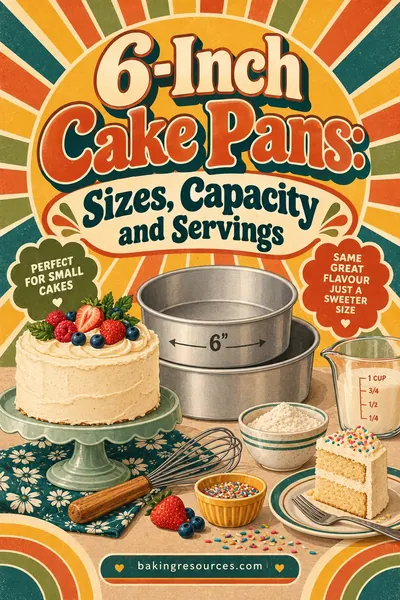
| 6 inch round, 2 in deep | 4 cups | 2 2/3 cups | 1 box makes 2 or 3 layers |
| 8 inch round, 2 in deep | 6 cups | 4 cups | 1 box makes 2 layers |
| 9 inch round, 2 in deep | 8 cups | 5 1/3 cups | 1 box makes 2 layers |
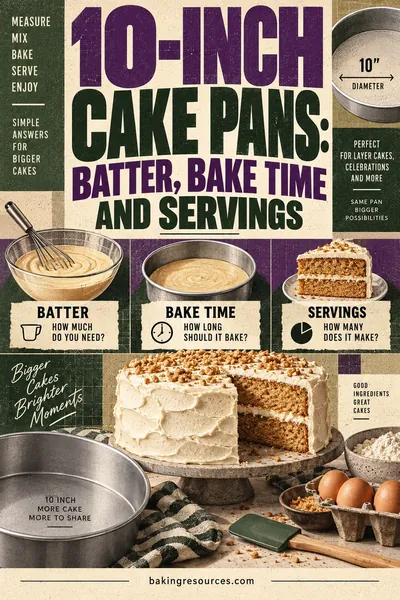
| 10 inch round, 2 in deep | 10 1/2 cups | 7 cups | 1 1/2 boxes per layer |
| 12 inch round, 2 in deep | 15 cups | 10 cups | 2 boxes per layer |
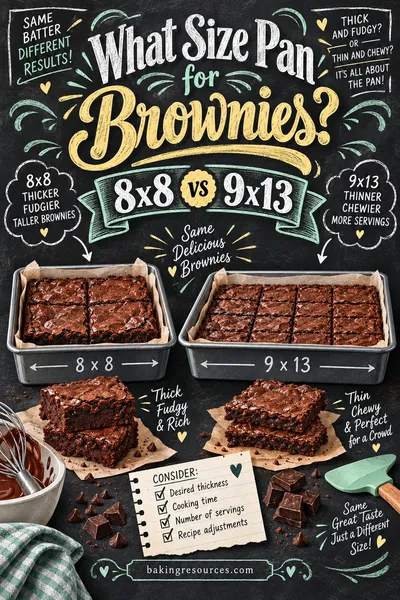
| 8 x 8 square | 8 cups | 5 1/3 cups | 1 box |
| 9 x 9 square | 10 cups | 6 2/3 cups | 1 to 1 1/2 boxes |
| 11 x 7 rectangle | 10 cups | 6 2/3 cups | 1 to 1 1/2 boxes |
| 9 x 13 rectangle | 14 1/2 cups | 9 2/3 cups | 1 box standard, 2 for a tall cake |
| 10 x 15 jelly roll, 1 in deep | 10 cups | 6 2/3 cups | 1 box |
| Half sheet, 13 x 18, 1 in deep | 16 cups | 10 2/3 cups | 2 boxes |
| Full sheet, 18 x 26, 1 in deep | 32 cups | 21 1/3 cups | 4 boxes |
| 8.5 x 4.5 loaf | 6 cups | 4 cups | 1 box makes 2 loaves |
| 9 x 5 loaf | 8 cups | 5 1/3 cups | 1 box makes 1 tall loaf |
| 10 cup bundt | 10 cups | 6 2/3 cups | 1 1/2 boxes |
| 12 cup bundt | 12 cups | 8 cups | 2 boxes, hold back 1 cup |
| 10 x 4 tube (angel food) | 16 cups | 10 2/3 cups | 2 boxes |
| 9 inch springform, 2 3/4 in deep | 12 cups | 8 cups | 2 boxes |
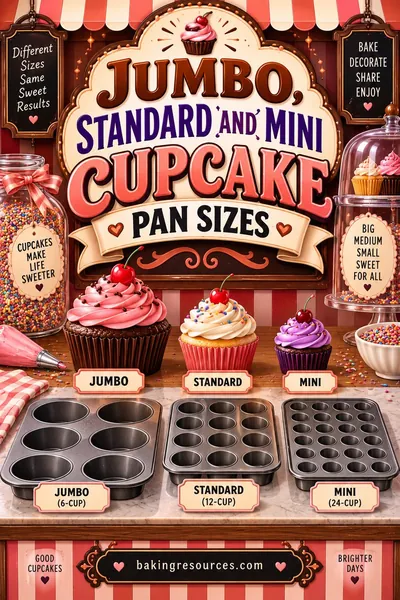
| Standard cupcake pan, 12 wells | 5 cups | 3 1/3 cups | 1 box makes 24 |
| Jumbo cupcake pan, 6 wells | 4 1/2 cups | 3 cups | 1 box makes 9 |
| Mini muffin pan, 24 wells | 2 cups | 1 1/3 cups | 1 box makes 48 to 72 |
Two rules make that whole chart make sense. A box is 4 1/2 cups. A pan gets filled two-thirds of the way. Everything else is division.
Where 4 1/2 cups per box comes from
You can check this yourself, which is the point. A standard mix is 15.25 oz of dry mix, or 432 g. The box asks for 3 large eggs, 1 cup of water and 1/2 cup of oil. Weigh all four and you get roughly:
| Ingredient | Weight |
|---|---|
| Dry mix | 432 g |
| 3 large eggs | 150 g |
| 1 cup water | 236 g |
| 1/2 cup oil | 109 g |
| Total batter | 927 g |
Cake batter runs close to 240 g per cup, the same as milk on our ingredient weights chart, because it is mostly water, sugar and flour with a little fat and air. Divide 927 by 240 and you get 3.9 cups. Beat air into it, which the box tells you to do for 2 minutes on medium, and it lifts to about 4 1/4 to 4 1/2 cups.
That is why the number on this page is 4 1/2 rather than a flat 4. If you mix by hand and skip the aeration, you will land nearer 4 cups, and it is worth measuring once so you know which kind of mixer you have.
One warning about box sizes. Not every box on the shelf is 15.25 oz. Some lines run 13.25 oz, which is roughly 13 percent less mix and gives you about 4 cups instead of 4 1/2. If your pan math is tight, check the net weight printed on the box before you trust a chart.
Round pans, layer by layer
Round pans are where most of the confusion lives, because a box says "two 8 inch or two 9 inch rounds" and then the same box has to fill a 10 inch pan that is almost twice the floor area.
Here is the floor area for each size, which is the number that actually matters:
| Round pan | Floor area | Batter for a standard layer | Batter depth |
|---|---|---|---|
| 6 inch | 28.3 sq in | 1 1/2 cups | 0.77 in |
| 8 inch | 50.3 sq in | 2 1/4 cups | 0.65 in |
| 9 inch | 63.6 sq in | 2 1/4 cups | 0.51 in |
| 10 inch | 78.5 sq in | 4 1/2 cups | 0.83 in |
| 12 inch | 113 sq in | 4 1/2 cups | 0.57 in |
Look at the 8 inch and 9 inch rows. One box split between two 9 inch pans gives you layers half an inch deep before they rise. That is thin, and it is exactly why box cakes from 9 inch pans look short next to a bakery cake. Split the same box between two 8 inch pans and you gain about a quarter inch of height.
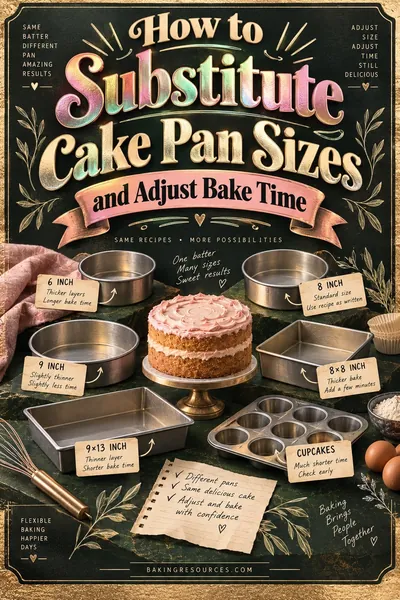
Want a tall two-layer cake in 9 inch pans? Use one and a half boxes, which is 6 3/4 cups, or 3 3/8 cups per pan. That is a 0.77 inch batter depth and it bakes into a layer you can torte. Add 6 to 10 minutes to the box time.
For 6 inch pans, one box is generous. Three 6 inch layers at 1 1/2 cups each uses 4 1/2 cups exactly, and gives you a proper three-layer small cake. Our 6 inch cake pan guide has the bake times for that stack.
Square, rectangular and sheet pans
Sheet pans are where people underbuy, because a half sheet looks like "a bit bigger than a 9x13" and is actually double it. Our guide to sheet cake pan sizes lists the quarter, half and full sheet dimensions next to how many servings each one cuts.
- 9x13: one box. This is the pan the box is designed around. Batter sits about 0.56 inches deep and bakes in 30 to 35 minutes at 350F.
- 9x13, bakery height: two boxes. Nine cups gives you 1.1 inches of batter and a cake you can torte into two layers. Add 15 to 20 minutes and drop the oven to 325F.
- Half sheet, 13x18: two boxes. Nine cups over 234 square inches is 0.56 inches deep, the same as a single-box 9x13, which is exactly right for a sheet cake you will frost and cut into squares.
- Full sheet, 18x26: four boxes. Eighteen cups over 468 square inches, again 0.56 inches deep. A full sheet pan will not fit in most home ovens, so check your oven's interior width before you buy the mix.
- 8x8 or 9x9: one box each. The 8x8 comes out slightly taller because the same batter sits on less floor.
If a recipe calls for a 9x13 and you don't have one, our 9x13 pan substitutes guide lists what works and what changes about the bake.
Bundt and tube pans, the awkward ones
Bundt pans are sold by volume, not by diameter, which sounds helpful and then trips everyone up. A "12 cup bundt" holds 12 cups of water to the rim. It does not take 12 cups of batter.
Bundts need real headroom because the batter climbs the center tube as well as the outer wall. Fill to two-thirds and no further.
| Bundt or tube pan | Level | Batter to use | Boxes |
|---|---|---|---|
| 10 cup bundt | 10 cups | 6 2/3 cups | 1 1/2 boxes |
| 12 cup bundt | 12 cups | 8 cups | 2 boxes, hold back about 1 cup |
| 9 x 3 tube | 12 cups | 8 cups | 2 boxes, hold back about 1 cup |
| 10 x 4 angel food tube | 16 cups | 10 2/3 cups | 2 boxes |
One box in a 12 cup bundt fills it to about 37 percent, which bakes into a low ring that never picks up the pattern in the pan. That is the single most common bundt disappointment, and it is a volume problem rather than a recipe problem.
The popular fix is the doctored mix: one box plus a 3.4 oz box of instant pudding, an extra egg, and milk instead of water. That builds the batter to roughly 5 1/2 cups, which fills a 10 cup bundt properly and still leaves a 12 cup pan a little shallow.
Two notes that save bundts. Never grease an angel food or chiffon tube pan, because the batter has to climb bare metal to rise. And any bundt with deep detail needs the full grease-and-flour treatment described in our guide to lining a cake pan.
Cupcakes, jumbo and mini
The cupcake numbers come out of the same 4 1/2 cups, portioned by well size:
| Cupcake size | Batter per well | Yield from one box | Bake time at 350F |
|---|---|---|---|
| Mini, 1 3/4 in wells | 1 to 1 1/2 tbsp | 48 to 72 | 10 to 14 min |
| Standard, 2 3/4 in wells | 3 tbsp | 24 | 18 to 21 min |
| Standard, filled generously | 1/4 cup | 18 | 20 to 24 min |
| Jumbo, 3 1/2 in wells | 1/2 cup | 9 | 24 to 30 min |
The two standard rows are both correct. Three tablespoons per well is the two-thirds line and gives you a level top that frosts flat. A quarter cup is a three-quarters fill and gives you the domed bakery top, with six fewer cupcakes.
A scoop makes this repeatable. Our jumbo cupcake pan sizes guide lists which disher number matches which well.
Worked example: a 10 inch two-layer birthday cake
You want a 10 inch round cake, two layers, filled and frosted. How many boxes?
Step 1. Find the pan capacity. A 10 inch round, 2 inches deep, holds 10 1/2 cups level.
Step 2. Take two-thirds. 10.5 x 0.67 = 7 cups of batter per layer.
Step 3. Double it for two layers. 7 x 2 = 14 cups of batter total.
Step 4. Divide by the box yield. 14 divided by 4.5 = 3.1 boxes.
Step 5. Round and decide. Three boxes give you 13 1/2 cups, or 6 3/4 cups per layer. That is a batter depth of 6.75 x 14.44 divided by 78.5, which comes to 1.24 inches. Perfectly good. Four boxes would overfill a 2 inch pan.
So: three boxes, split evenly by weight rather than by eye. Set the empty pan on the scale, tare, and pour until each pan holds the same number of grams. Two layers that weigh the same bake in the same time, which is half the battle described in our guide on why a cake bakes uneven.
Step 6. Adjust the clock. Box directions assume a 0.65 inch layer in an 8 inch pan. You are baking 1.24 inches, about half an inch deeper. The rule is to add 10 to 15 minutes and drop the oven 25F for every extra half inch, so bake at 325F for roughly 40 to 45 minutes and start testing at 38.
A second worked example: a tiered cake
A 6, 8 and 10 inch tiered cake, two full layers per tier:
| Tier | Batter per layer | Two layers | Running total |
|---|---|---|---|
| 6 inch | 2 2/3 cups | 5 1/3 cups | 5 1/3 cups |
| 8 inch | 4 cups | 8 cups | 13 1/3 cups |
| 10 inch | 7 cups | 14 cups | 27 1/3 cups |
27 1/3 divided by 4.5 is 6.07, so six boxes, and buy a seventh because tiered cakes punish you for running short at the wrong moment. Bake the tiers in separate sessions rather than trying to fit all six pans in the oven at once.
For the frosting side of that cake, the frosting calculator counts the crumb coat, filling, outside coat and piping separately, which is where most people underestimate.
Two boxes is not the same as one box doubled
Scaling the batter is easy. Scaling the bake is not, and this is where doubled sheet cakes go wrong.
Depth drives time, not volume. Two boxes in a 9x13 is not "the same cake, twice." It is a cake twice as deep, and heat has to travel twice as far to the center. Drop the oven 25F and add 15 to 20 minutes. Our full method for this lives in how to substitute cake pan sizes, and the baking time calculator does the arithmetic.
Your mixer bowl may not cope. Nine cups of batter is a little over 2 kg. A 4.5 quart stand mixer bowl handles it but throws batter over the sides at high speed. Mix two boxes separately and fold them together in a big bowl if you are worried.
Mix time stays the same. Two boxes still get 2 minutes on medium. Doubling the mixing time overdevelops the gluten and gives you a tough, tunneled crumb, the same problem covered in what overmixing does.
Leavening does scale straight. The baking powder is already in the mix in the right proportion, so two boxes carry exactly twice the lift for exactly twice the batter. Nothing to adjust there.
How full should the pan actually be?
Two-thirds is the working answer for a 2 inch deep pan. Here is why, and when to move off it.
| Fill level | What happens |
|---|---|
| Half full | Short layer, bakes fast, fine for a torted stack |
| Two thirds | The default. Rises to just below the rim, flat to gently domed |
| Three quarters | Tall layer, domed top, needs leveling. Watch for overflow |
| To the rim | Overflow, a scorched oven floor and a sunken middle |
The exception is anything with heavy leavening or a lot of sugar. Those batters climb further than you expect, so stay at half to two-thirds. Cakes that sink in the middle are usually overfilled or underbaked, both covered in why a cake sinks.
FAQ
How many boxes of cake mix do I need for a half sheet cake?
Two. A 13x18 half sheet pan needs about 9 cups of batter for a standard height sheet cake, and each box gives you 4 1/2 cups. Bake at 350F and start checking at 25 minutes, since the batter is shallow.
How many cups of batter does one box of cake mix make?
About 4 1/2 cups when mixed with a hand or stand mixer for the full 2 minutes. Mixed by hand it comes out closer to 4 cups, because less air gets beaten in. Weigh it once and you will know your own number.
Can I bake two boxes of cake mix in one 9x13 pan?
Yes, and you get a cake tall enough to torte into two layers. The batter sits about 1.1 inches deep instead of 0.56, so drop the oven to 325F and add 15 to 20 minutes. Test with a skewer in the true center.
How many boxes do I need for a 10 inch round cake?
One and a half boxes per layer if you want a full 2 inch pan filled properly, so three boxes for a two-layer cake. One box split between two 10 inch pans gives layers only about 0.4 inches deep, which is too thin to stack well.
How many cupcakes does one box of cake mix make?
Twenty-four standard cupcakes at 3 tablespoons of batter each, or 18 if you fill them to a quarter cup for a domed top. The same box makes 9 jumbo cupcakes or somewhere between 48 and 72 minis, depending on how full you fill the wells.
Does the mix brand change how many boxes I need?
Only through the net weight. A 15.25 oz box yields about 4 1/2 cups and a 13.25 oz box yields about 4. Check the number on the front, and if you are baking something where the height matters, measure the finished batter in a large liquid cup before you pour.
Can I make one box stretch to a bigger pan?
You can, but you are choosing a shorter cake rather than a bigger one. One box in a 12 inch round gives a layer 0.57 inches deep, which bakes in about 20 minutes and works fine as a single sheet-style cake you cut into squares. It will not stack.
How do I split batter evenly between pans?
Weigh it. Put an empty pan on the scale, tare to zero, and pour to a target weight, then repeat for the second pan. Nine cups of batter weighs roughly 2,160 g, so two pans get 1,080 g each. Eyeballing it is the main cause of one layer finishing 5 minutes ahead of the other.
What about scaling a scratch recipe instead?
Same arithmetic, different starting point. Find the ratio between your two pan areas and multiply every ingredient by it. The recipe scaler does the multiplication and keeps the fractions sane, and our guide on how to scale a recipe explains where scaling breaks down.