
Almond Flour Substitute: Nut-Free, Gluten-Free, and Pantry Swaps

The best almond flour substitute is another nut flour, like hazelnut or cashew flour, swapped 1 for 1. If you need it nut-free, sunflower seed flour also swaps 1 for 1. For a pantry fix, use 3/4 cup of all-purpose flour plus 2 tablespoons of melted butter for every cup of almond flour, keeping in mind that this one is not gluten-free.
Almond flour is light, about 96 to 100 grams per cup, and almost half of that is fat. That's why a plain cup-for-cup swap with wheat flour often turns out dry and tough. Pick your amount in the calculator below, and it shows the exact amounts for every swap, fat fix included.
Free calculator
Almond flour substitute calculator
Pick how much almond flour your recipe needs, then tap a swap to see exactly what to use instead.
More free baking tools



Why almond flour is tricky to replace
Almond flour isn't really flour in the usual sense. It's just almonds, blanched to remove the skins and ground very fine. That gives it three traits that most other flours don't have.
- It has lots of fat. Roughly half of almond flour's weight is natural almond oil. That fat keeps baked goods moist and tender.
- It has no gluten. Gluten is the stretchy protein in wheat that gives bread its chew. Almond flour recipes rely on eggs to hold things together instead.
- It's light and coarse. A cup weighs less than a cup of wheat flour, and it doesn't soak up liquid the same way.
So when you swap, you're trying to match the fat, the structure, and the weight all at once. Some swaps match one or two of these well, and none match all three perfectly. If you'd like a refresher on how wheat flours differ from each other, our guide to types of flour lays it out.
 Baking guideTypes of Flour: A Baker's Guide by Protein ContentRead the guide →
Almond flour substitute chart
Every amount below replaces 1 cup of almond flour. Use the calculator above for other amounts.
| Substitute | For 1 cup almond flour | Gluten-free? | Nut-free? |
|---|---|---|---|
| Almond meal | 1 cup | Yes | No |
| Hazelnut, pecan, or cashew flour | 1 cup | Yes | No |
| Homemade ground almonds | About 2/3 cup whole blanched almonds, ground | Yes | No |
| Sunflower seed flour | 1 cup | Yes | Yes |
| All-purpose flour + fat | 3/4 cup flour + 2 tbsp melted butter or oil | No | Yes |
| Gluten-free 1-to-1 flour + fat | 3/4 cup blend + 2 tbsp melted butter or oil | Yes | Usually (check label) |
| Oat flour + fat | 3/4 cup + 2 tbsp oat flour + 1 tbsp melted butter or oil | Only with certified gluten-free oats | Yes |
| Coconut flour + egg | 1/4 cup coconut flour + 1 extra large egg | Yes | Yes (coconut is usually treated separately from tree nuts, but ask your guest) |
Why weight matters more than cups
Here's the part that trips people up most. A cup of almond flour weighs about 96 to 100 grams when you spoon it in and level it. A cup of all-purpose flour weighs about 120 grams. So swapping cup for cup with wheat flour adds about 20 percent more flour by weight, and wheat flour soaks up more liquid on top of that. The result is a dry, heavy bake.
| Flour | Grams per cup (spooned and leveled) | Fat level |
|---|---|---|
| Almond flour | 96 to 100 g | High |
| All-purpose flour | About 120 g | Very low |
| Oat flour | About 92 g | Low |
| Coconut flour | About 112 g | Medium, but very thirsty |
If your recipe gives almond flour in grams, the simplest way to swap is to weigh. Nut and seed flours swap gram for gram. For wheat or gluten-free blends, use about 75 percent of the almond flour's weight and add the fat. A kitchen scale makes this easy, and our page on kitchen scales vs measuring cups explains why it's more reliable. For gluten-free blends in particular, our gluten-free flour in grams chart lists typical weights for the most common blends and single flours.
 Baking guideKitchen Scale vs Measuring Cups: Why Weight WinsRead it next →
 Baking guideGluten Free Flour in Grams: Rice, Tapioca and Starch WeightsLearn more →
Why does this matter so much with almond flour in particular? Almond flour recipes are usually built around its fat. They often use fewer tablespoons of butter or oil than a regular recipe, because the nuts bring their own. When you take the nuts out, that built-in fat leaves with them. That's the whole reason most swaps on this page add a spoonful or two of melted butter or oil back in.
Packing matters too. Almond flour packed into a cup can weigh 110 grams or more. Spoon it in loosely and level it off, the same way you'd measure regular flour.
 Baking guideHow to Measure Flour: 125 g vs 145 g and Why It MattersShow me how →
Nut-free swaps
Sunflower seed flour
This is the best nut-free match. It has a similar fat level and fine texture, so it swaps 1 for 1 by cup or by weight. The one quirk: sunflower seeds contain a natural compound that turns green when it meets baking soda or baking powder. It's completely safe to eat, but green muffins surprise people. Cut the baking soda by about a third, or add 1 teaspoon of lemon juice per cup of sunflower flour, and the color stays normal. Pumpkin seed flour works the same way, with a light green color of its own.
Oat flour
Oat flour is mild and easy to find, and you can make it at home in a blender. Our guide on how to make oat flour shows how. It's drier than almond flour, so use a little less and add a spoonful of fat. Oats are naturally gluten-free, but they're often processed alongside wheat, so buy oats labeled gluten-free if that matters.
 Baking guideHow to Make Oat Flour at Home and Bake With ItLearn the method →
Coconut flour
Coconut flour is the odd one out. It soaks up liquid like a sponge, so you only need about 1/4 cup to replace a whole cup of almond flour, plus an extra egg. Let the batter sit for 5 minutes before you decide it's too thick, since coconut flour keeps absorbing for a while. It works best in muffins and pancakes, and it's tough to get right in cookies.
Gluten-free swaps
Almond flour is gluten-free, so if you're baking for someone with celiac disease or a gluten sensitivity, your swap must be gluten-free too. That rules out all-purpose flour. Good choices are other nut flours, sunflower seed flour, coconut flour, certified gluten-free oat flour, or a gluten-free 1-to-1 baking blend.
When you use a gluten-free blend, pick one that already has xanthan gum in it, and add the 2 tablespoons of fat per cup. Read every label, because some blends contain almond flour themselves, which defeats the purpose if you're avoiding nuts. Our page on gluten-free baking substitutions covers more swaps for the rest of the recipe.
 Baking guideGluten Free Baking Substitutions: Flours and BindersFind my swap →
When not to substitute
A few recipes depend on almond flour so much that a swap changes the whole thing.
- French macarons. The smooth tops and ruffled "feet" depend on finely ground, low-moisture blanched almond flour. Even almond meal causes bumpy shells. If yours are having trouble, see why macarons have no feet.
- Flourless almond cakes. Almond flour is the only "flour," so it's the main flavor too. Hazelnut flour works; wheat flour makes a different cake.
- Low-carb or keto recipes. All-purpose and oat flour add a lot more carbohydrates. Sunflower seed flour or another nut flour keep the recipe close to its goal.
 Baking guideWhy Do My Macarons Have No Feet? Causes and FixesFix it next time →
Worked example: almond flour muffins with all-purpose flour
Say your blueberry muffin recipe uses 2 cups of almond flour, 3 eggs, and 1/4 cup of melted butter, and you only have all-purpose flour. No one eating them avoids gluten.
- Swap the flour. At 3/4 cup per cup, 2 cups of almond flour become 1 1/2 cups of all-purpose flour.
- Add the fat back. At 2 tablespoons per cup, add 4 tablespoons (1/4 cup) of melted butter on top of what the recipe already has. Total butter: 1/2 cup.
- Keep the eggs. Leave all 3 eggs in. They add moisture, and wheat flour can handle them.
- Mix gently. Stir just until no dry flour shows. Wheat flour forms gluten when you mix hard, and tough, tunnel-filled muffins are the result.
- Watch the time. Wheat batter often bakes a few minutes faster than almond flour batter, so check early.
The muffins will be lighter and fluffier than the original, with less nutty flavor. Many people like them that way. If you want a little nutty taste back, add 1/2 teaspoon of almond extract.
Common mistakes
Swapping wheat flour cup for cup
This is the most common problem. The extra weight and missing fat give a dry, dense result. Use 3/4 cup and add the fat.
Grinding almonds into paste
If you make your own, pulse in short bursts and add a spoonful of the recipe's sugar or flour. Run the food processor too long and the oil comes out, turning it into almond butter.
Ignoring a nut allergy label
Almond meal, hazelnut flour, and some gluten-free blends all contain tree nuts. For a guest with a nut allergy, check every package, and wash bowls and tools that touched nut flours before you start.
Letting nut flour go stale
Because of all that fat, nut flours can turn rancid. They smell like old paint or crayons when they do. Keep them in an airtight container in the fridge for a few months or the freezer for up to a year. Our page on how to store flour covers every kind.
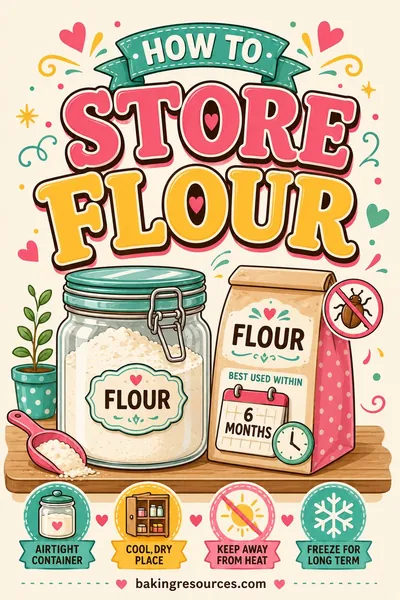 Baking guideHow to Store Flour: Shelf Life, Weevils, and FreezingGet the storage times →
Holiday baking without almond flour
Almond flour shows up in a lot of Christmas and winter treats: linzer cookies, amaretti, almond crescents, frangipane tarts, and gluten-free pie crusts for Thanksgiving. It's also the ingredient most likely to be a problem at a big family table, where someone has a nut allergy or someone is gluten-free, and sometimes both.
For linzer cookies and crescents, hazelnut flour is the classic swap and many old recipes used it to begin with. For a nut-free cookie tray, sunflower seed flour works well in shortbread-style cookies. You can also choose recipes that never needed nuts at all, like our snowball cookies without nuts. And for a gluten-free Thanksgiving pie crust, a gluten-free 1-to-1 blend with a little extra butter holds together better than coconut flour does.
 Baking guideSnowball Cookies Without Nuts: What to Use InsteadGet the swap chart →
Planning to bake ahead? Nut flour cookies freeze well, and so do most of the swaps above. Bake, cool completely, and freeze in airtight tins for up to 3 months.
Questions people ask
What is the best almond flour substitute?
Another nut flour is the best almond flour substitute. Hazelnut, cashew, or pecan flour swap 1 for 1 and act almost the same in the oven. Almond meal works 1 for 1 too, with a coarser, darker crumb. For a nut-free swap, sunflower seed flour is the closest match and also swaps 1 for 1.
Can I use all-purpose flour instead of almond flour?
Yes, but not cup for cup. Use 3/4 cup of all-purpose flour plus 2 tablespoons of melted butter or oil for each cup of almond flour. Wheat flour is heavier and has almost no fat, so the extra butter keeps things moist. Remember that this swap is not gluten-free, and the bake will taste less nutty.
How much does a cup of almond flour weigh?
A cup of almond flour weighs about 96 to 100 grams when you spoon it into the cup and level it off. Packed down, it can weigh 110 grams or more. A cup of all-purpose flour weighs about 120 grams, which is why a cup-for-cup swap with wheat flour often turns out dry.
What is a nut-free substitute for almond flour?
Sunflower seed flour is the best nut-free swap and works 1 for 1. Cut the baking soda by about a third or add 1 teaspoon of lemon juice per cup, because it can turn green with baking soda. Oat flour and a gluten-free 1-to-1 blend with a little added fat also work.
Can I use coconut flour instead of almond flour?
Yes, but use much less. Coconut flour soaks up a lot of liquid, so use only about 1/4 cup of coconut flour for each cup of almond flour, and add 1 extra large egg. Let the batter rest 5 minutes before adjusting it. It works best in muffins and pancakes and is tricky in cookies.
Is almond meal the same as almond flour?
Almost. Almond flour is made from blanched almonds with the skins removed and is ground very fine. Almond meal often keeps the skins and is coarser. You can swap them 1 for 1 in most cakes, muffins, and cookies, but almond meal makes a darker, more rustic crumb and does not work well in macarons.