
Coconut Flour Substitute: What to Use and How Much

The best coconut flour substitute is blanched almond flour, used at about 3 times the amount: 1 cup of almond flour for every 1/3 cup of coconut flour. All-purpose flour works too, at roughly 3 1/2 to 4 times the amount. The catch is that coconut flour drinks up liquid like a sponge, so any swap also means pulling back on the eggs and milk the recipe added to keep it moist.
That is why a straight cup-for-cup trade never works here. Pick your amount and your swap in the calculator below and it works out the flour for you, then the sections after it show how to rebalance the wet ingredients so the batter looks right.
Free calculator
Coconut flour substitute calculator
Pick how much coconut flour your recipe calls for and the flour you have, and you get the amount to use plus what to do with the eggs and liquid.
More free baking tools



Why coconut flour is so hard to replace
Coconut flour is the dried, finely ground pulp left after coconut milk is pressed out. Most of the fat is gone, and what stays behind is mostly fiber. That fiber soaks up liquid in a way no other common flour does. A few tablespoons can turn a runny batter into something you could scoop with your hands.
Recipes written for coconut flour plan around that thirst. It is normal to see 4 to 6 eggs and a good splash of milk next to just 1/2 cup of coconut flour. The eggs bring moisture, but they also do most of the structural work, since coconut flour has no gluten to hold a crumb together.
So when you swap coconut flour out, two things change at once. You need a lot more of the new flour to fill the same space, and you need less of the liquid that was only there to feed the coconut fiber. Get both right and the bake comes out close to the original. Get only the flour right and you end up with soup.
Coconut flour substitute chart
All amounts below replace 1 cup of coconut flour. Most recipes use far less, so scale down, or let the calculator do it for you.
| Swap | Amount for 1 cup coconut flour | Gluten-free? | Best for |
|---|---|---|---|
| Blanched almond flour | 3 cups | Yes | Muffins, pancakes, quick breads, cookies |
| Sunflower seed flour | 3 cups | Yes, and nut-free | Muffins, cookies, crackers |
| All-purpose flour | 3 1/2 cups (up to 4) | No | Cakes, muffins, quick breads |
| Gluten-free 1-to-1 flour blend | 3 1/2 cups | Yes | Cakes, cookies, brownies |
| Oat flour | 3 cups | Only if made from certified oats | Muffins, pancakes, bars |
| Cassava flour | 3 cups | Yes, and grain-free | Tortillas, brownies, cookies |
Notice that every swap is roughly 3 to 4 times the amount. That ratio is the single most useful thing to remember about coconut flour. If you ever see a chart telling you to trade it cup for cup with anything, skip that chart.
How to fix the eggs and liquid after you swap
Here is the part most swap lists leave out. Once the coconut flour is gone, the extra eggs and milk have nothing to soak into. You have to trim them, and how much depends on what you swapped in.
| Swap | Eggs | Milk, water or juice | Fat |
|---|---|---|---|
| Almond flour | Keep about half | Cut by about half | Cut a little; almond flour is already rich |
| Sunflower seed flour | Keep about half | Cut by about half | Cut a little |
| All-purpose flour | Keep 1 to 2 for a muffin-size batch | Cut by about a third | Keep as written |
| Gluten-free blend | Keep about half | Cut by about a third | Keep as written |
| Oat flour | Keep about half | Cut by about a third | Keep as written |
| Cassava flour | Keep about half | Cut by about a third | Keep as written |
Treat those as starting points, not hard rules. The best guide is the batter itself. Mix the dry ingredients with the reduced wet ones, then add back the held-back liquid a tablespoon at a time until the batter looks like a normal version of what you are making: thick and scoopable for muffins, pourable for pancakes, soft but not sticky for cookies.
If you want to understand why the eggs matter so much, our guide on what eggs do in baking explains how they set, lift and bind. And if you need to drop eggs entirely, the egg substitutes for baking page covers the options.
 Baking guideWhat Do Eggs Do in Baking? Structure, Lift and RichnessRead it next →
 Baking guideEgg Substitute for Baking: Which One Actually WorksShow me the ratios →
Almond flour: the closest match
Blanched almond flour is the go-to swap because it shares coconut flour's best traits. It is gluten-free, low in starch and mild in flavor, so the bake still tastes like the recipe intended. It is just much less thirsty, which is why you need 3 cups for every cup of coconut flour.
Almond flour is heavier and oilier, so expect a slightly denser, more tender crumb. That works well in muffins, banana bread and chocolate chip cookies. It browns faster than coconut flour, so check your bake 5 minutes early and tent it with foil if the top darkens before the middle sets.
Use blanched almond flour, not almond meal. Almond meal still has the skins, so it is coarser and gives a speckled, heavier result.
All-purpose flour and gluten-free blends
If gluten is not a concern, all-purpose flour is the easiest option because you probably have it already. Start with 3 1/2 cups for each cup of coconut flour. If the batter still looks thin after mixing, add more, a tablespoon at a time, up to 4 cups. Because wheat flour brings gluten, you can lean on fewer eggs than the coconut recipe used.
Don't overmix once the flour goes in. A coconut flour batter can take a lot of stirring, but a wheat batter turns tough if you beat it. Stir just until no dry streaks remain.
A gluten-free 1-to-1 blend swaps in the same way at 3 1/2 cups. These blends already contain a binder like xanthan gum, so the crumb holds together without extra help. For the details on how rice, tapioca and starch blends measure, see gluten-free flour in grams, and for the bigger picture on swapping across gluten-free flours, our gluten-free baking substitutions guide lays it all out.
 Baking guideGluten Free Flour in Grams: Rice, Tapioca and Starch WeightsGet the details →
 Baking guideGluten Free Baking Substitutions: Flours and BindersGet the swap chart →
Nut-free and grain-free options
Sunflower seed flour
Sunflower seed flour behaves almost exactly like almond flour, so use the same 3 to 1 ratio. It is the go-to choice for nut-free homes and classrooms. One quirk: it can turn a harmless green color inside when it meets baking soda, because of a natural reaction with the seeds. Adding a teaspoon of lemon juice or cutting the baking soda a little helps keep it golden.
Oat flour
Oat flour gives a soft, cozy crumb and a light toasty flavor. It is a little thirstier than wheat flour, which is why 3 cups usually does the job. You can grind your own in a blender in about a minute; our walkthrough on how to make oat flour shows how fine to go. Buy certified gluten-free oats if anyone eating it avoids gluten.
 Baking guideHow to Make Oat Flour at Home and Bake With ItRead the step by step →
Cassava flour
Cassava flour comes from the whole root and is soft, starchy and grain-free. It is the closest grain-free option to wheat in texture, and it gives brownies and cookies a pleasant chew. It can turn gummy if the batter is too wet, so lean toward the lower end of the liquid when you add it back.
Worked example: coconut flour muffins with almond flour
Say your muffin recipe calls for 1/2 cup coconut flour, 6 eggs, 1/3 cup milk, 1/4 cup melted butter and 1/3 cup maple syrup.
- Swap the flour. 1/2 cup coconut flour times 3 is 1 1/2 cups of blanched almond flour.
- Trim the eggs. Keep about half: 3 eggs instead of 6.
- Trim the milk. Start with about half, a little under 3 tablespoons, and hold the rest back.
- Trim the fat a touch. Almond flour is rich, so 3 tablespoons of butter is plenty.
- Keep the sweetener. The maple syrup stays the same.
- Check the batter. It should look thick and spoonable. If it is stiff, add back milk a tablespoon at a time.
Bake at the same temperature, but start checking 5 minutes early. The muffins are done when the tops spring back and a toothpick comes out with just a few moist crumbs. They will be a little more tender than the coconut version and a bit less airy, which most people like.
Measuring coconut flour and its swaps
Coconut flour packs down easily, so a scooped cup can weigh much more than a spooned one. Fluff it with a fork, spoon it into the cup and level it off. Our guide on how to measure flour walks through the spoon-and-level method, and it matters even more here because small errors make a big difference.
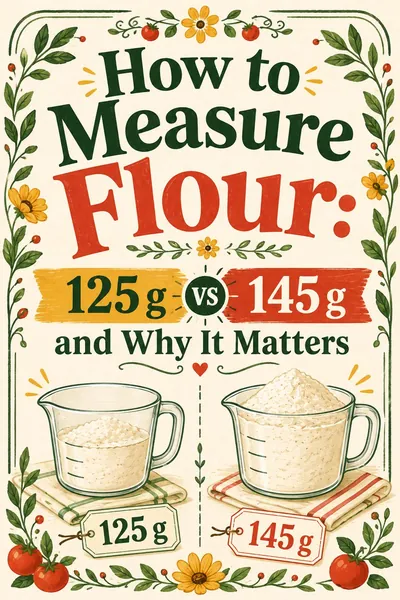 Baking guideHow to Measure Flour: 125 g vs 145 g and Why It MattersLearn the method →
A cup of coconut flour weighs roughly 110 to 130 grams depending on the brand, while a cup of blanched almond flour is closer to 96 grams. Because the swap is by volume and the weights differ so much, don't try to trade gram for gram. If your recipe lists weights, convert the coconut flour to cups first, apply the ratio, then weigh the new flour. The ingredient weight chart has per-cup weights for the other flours too.
 Free toolIngredient Weight Chart: Grams per Cup, Tablespoon and TeaspoonConvert it now →
Coconut flour also clumps. A quick whisk or a pass through a strainer breaks up the lumps so they don't bake into dry pockets; see how to sift flour for when it is worth the extra step.
 Baking guideHow to Sift Flour: When It Matters and When It Doesn'tShow me how →
Holiday baking with coconut flour swaps
Fall and winter are when a lot of people pull out gluten-free and grain-free recipes for family gatherings. Pumpkin bread, spiced muffins and Christmas cookies are some of the most common coconut flour recipes, and they all take the swaps above well.
Pumpkin puree adds a lot of moisture, so in pumpkin bread lean toward the bigger cut in milk when you move to almond or all-purpose flour. Pumpkin often replaces some of the egg moisture as it is.
For Christmas cutout or drop cookies, almond flour and cassava flour hold their shape best. Chill the dough for 30 minutes before baking so it does not spread. If you are baking ahead for the holidays, most of these cookies freeze well once baked and cooled.
Mistakes and troubleshooting
- Batter is runny and won't set. You swapped the flour but kept all the eggs and milk. Add more of the new flour, 2 tablespoons at a time, until it thickens.
- Bake is dry and crumbly. You cut too much liquid, or the flour was packed into the cup. Next time, hold back less milk and spoon the flour lightly.
- Muffins are dense and greasy. Almond flour plus the full amount of fat is a lot of richness. Trim the butter or oil by a tablespoon or two.
- Top is dark but the middle is wet. Nut flours brown fast. Drop the oven 25°F and bake a bit longer, or tent with foil.
- Cake fell apart when sliced. Gluten-free swaps need a binder. Use a blend that already has one, or keep an extra egg.
- Batter tastes flat. Coconut flour has a gentle sweetness. Add an extra 1/2 teaspoon of vanilla to make up for it.
If your muffins keep coming out dry after a swap, our guide to why muffins turn out dry covers the other usual suspects, like overbaking and too much flour.
 Baking guideWhy Are My Muffins Dry? 6 Causes and the Fix for EachSee what went wrong →
Questions people ask
Can I substitute coconut flour for regular flour 1 to 1?
No. Coconut flour absorbs several times more liquid than wheat flour, so a cup-for-cup trade ruins the batter. Going from coconut flour to all-purpose, use about 3 1/2 to 4 times as much and cut back on eggs and milk. Going the other way, use about 1/4 cup coconut flour for each cup of all-purpose flour and add extra egg and liquid.
How much almond flour replaces 1/4 cup of coconut flour?
Use about 3/4 cup of blanched almond flour for 1/4 cup of coconut flour. That is the same 3 to 1 ratio used for any amount. Then trim the eggs and added liquid by about half, and add a little back if the batter looks stiff. If it still looks loose after mixing, stir in another tablespoon or two of almond flour.
What is a nut-free substitute for coconut flour?
Sunflower seed flour is the best nut-free choice and swaps in at the same 3 to 1 ratio as almond flour. Oat flour and cassava flour are also nut-free and use about 3 times the amount. If you use sunflower seed flour, add a teaspoon of lemon juice so the inside does not turn green from the baking soda.
Why did my bake turn out soupy after swapping coconut flour?
The recipe was built around coconut flour's thirst, so it had extra eggs and milk. When you switch to a less absorbent flour, that liquid has nowhere to go. Stir in more of the new flour a couple of tablespoons at a time until the batter thickens, and next time cut the eggs and liquid when you make the swap.
Can I use coconut flour and almond flour together?
Yes, and many recipes do. A common blend is about 1 part coconut flour to 3 or 4 parts almond flour. The coconut flour adds structure and soaks up some of the almond oil, while the almond flour keeps the crumb moist and tender. If you only have a little coconut flour, blending is a smart way to stretch it.
Does coconut flour taste like coconut?
Only a little. It has a mild, slightly sweet coconut note that most people do not notice once chocolate, pumpkin or spice is in the mix. Swapping it out for almond, oat or all-purpose flour removes that hint of sweetness, so a splash of extra vanilla helps keep the flavor round.