Substitutes for Powdered Sugar in Frosting

The fastest of the substitutes for powdered sugar in frosting is to make your own: blend 1 cup of granulated sugar with 1 tablespoon of cornstarch in a dry high-speed blender or a spice grinder for 60 to 90 seconds. That yields about 1 3/4 cups of powdered sugar and it is chemically the same product you buy.
If you have no blender, you cannot fake it. Granulated sugar stirred into butter stays gritty forever. What you do instead is switch to a frosting style that dissolves its sugar, and there are four of those.
Working out how much frosting you need in the first place? Our free frosting calculator sizes the batch to your cake.
Updated September 2026
What powdered sugar is actually doing
Before you can replace it, you need to know what job it holds. Powdered sugar does three separate things in a frosting, and most failed substitutions replace only one of them.
Sweetness. Obvious, and the easiest to match.
Bulk and structure. In American buttercream the sugar is not dissolved. Those undissolved crystals are a solid filler suspended in butter, and they are what makes the frosting stiff enough to pipe and what makes it crust over as it dries. Take the sugar out and you are left with whipped butter.
Moisture control. Commercial powdered sugar is roughly 97 percent sugar and 3 percent cornstarch by weight. That cornstarch is there to stop caking in the bag, but in a frosting it also soaks up loose water and keeps the buttercream from weeping. Leave it out of a homemade blend and your frosting will be noticeably looser.
That third job is the one people forget, and it explains most "why is my frosting soupy" questions. Our guide to runny frosting covers the rest of those causes.
The best substitutes for powdered sugar in frosting
Every ratio below replaces 1 cup (120 g) of unsifted powdered sugar.
| Substitute | How to use it | Texture | Pipes? | Best for |
|---|---|---|---|---|
| Blended granulated sugar | 1/2 cup + 1 1/2 tsp granulated blended with 1 1/2 tsp cornstarch, 60 to 90 sec | Identical if blended fine | Yes | Any recipe, this is a true swap |
| Blended superfine sugar | Same amounts, grinds faster and finer | Identical | Yes | Any recipe, best home result |
| Blended coconut sugar | 3/4 cup coconut sugar plus 1 1/2 tsp cornstarch, blended | Slightly gritty, tan color | Yes, softer | Spiced cakes, cream cheese frosting |
| Blended erythritol or monk fruit | 1 cup plus 1 tsp cornstarch, blended | Fine, slight cooling taste | Yes | Sugar-free frosting |
| Nonfat dry milk powder | Replace up to 1/4 of the sugar, no more | Adds body, cuts sweetness | Yes | Frosting that tastes too sweet |
| Cornstarch alone | Replace up to 2 tbsp per cup for stiffness | Chalky past that | Yes | Stiffening a soft batch |
| Switch to Swiss meringue | 200 g granulated sugar total, dissolved over heat | Silky, not gritty | Yes, beautifully | No blender, no powdered sugar |
| Switch to ermine (flour frosting) | Granulated sugar creamed into a cooked flour paste | Light, silky, mild | Yes | The classic no-powdered-sugar answer |
| Sweetened condensed milk | 1/3 cup per cup of sugar, cream cheese base only | Soft, spreadable | No | Sheet cakes, drips, glazes |
| Marshmallow creme | 1/2 cup per cup of sugar | Sticky, stretchy | Barely | Fluffy topping, not decoration |
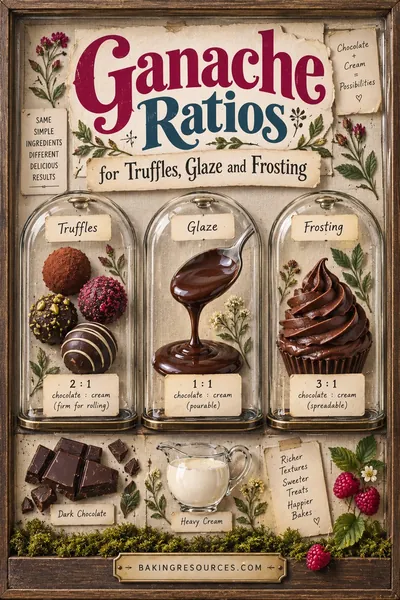
| Whipped ganache | No sugar at all, chocolate carries it | Dense, glossy | Yes | Chocolate cakes |
Three of those are true one-for-one swaps (the blended sugars). The rest change the frosting into something else, which is often the better answer anyway.
Making powdered sugar at home, without the usual mistakes
This is the answer nine times out of ten, and it takes two minutes.
The ratio by weight, which is the one that is actually correct. One cup of powdered sugar is 120 g and it contains about 116 g of sugar and 4 g of cornstarch. One cup of granulated sugar weighs 200 g and one tablespoon of cornstarch weighs 8 g. So:
- 1 cup granulated (200 g) + 1 tbsp cornstarch (8 g) = 208 g = about 1 3/4 cups powdered
- 2 cups granulated (400 g) + 2 tbsp cornstarch (16 g) = 416 g = about 3 1/2 cups powdered
Those gram figures come straight from our ingredient weights chart, so they match every other number on this site.
Five things that go wrong:
- Wrong machine. A standard blender leaves it gritty. A high-speed blender, a bullet-style blender, or a coffee and spice grinder all work. A food processor almost never does, because the blade sits too high and the sugar just spins.
- Too much at once. Work in half-cup batches in a spice grinder or one cup at a time in a blender. Overfilling means the top half never touches the blade.
- Not letting it settle. Sugar dust hangs in the air inside the jar. Wait a full minute before you open the lid or you lose a third of it to the counter. Homemade powdered sugar is also coarser than boxed, which shows up when you roll a cookie in it, and snowball cookies without nuts covers that coating step.
- Skipping the sieve. Push the finished sugar through a fine mesh strainer and re-blend whatever stays behind. This is what separates "close enough" from "identical".
- A damp jar. Any moisture turns it into a paste. Dry the jar and the blade completely first.
How to check it. Rub a pinch between your thumb and finger. If you feel individual grains, it needs another 30 seconds. If it feels like flour, you are done.
Worked example: replacing 480 g of powdered sugar in a buttercream
The batch: a standard American buttercream of 227 g softened butter, 480 g sifted powdered sugar, 30 g milk, vanilla and a pinch of salt. That makes about 3 cups of frosting, enough for a two-layer 8-inch cake.
Step 1. Split the 480 g into its real parts. At 97 percent sugar and 3 percent starch, that is 465 g of sugar and 15 g of cornstarch.
Step 2. Convert to what you have. 465 g of granulated sugar is 2 1/3 cups. 15 g of cornstarch is just under 2 tablespoons.
Step 3. Blend it. Four batches of roughly 1/2 cup granulated plus 1/2 tablespoon cornstarch, 60 to 90 seconds each, sieved together into one bowl.
Step 4. Check the yield. 480 g of homemade powdered sugar should measure about 4 cups loosely spooned. If you get noticeably less, it is not ground finely enough and it is still packing like granulated sugar.
Step 5. Build the frosting normally. Beat the butter alone for 3 minutes first, then add the sugar in thirds, then the milk. The result is indistinguishable from a store-bought bag.
Cost note, since this comes up. Granulated sugar is usually cheaper per pound than powdered, so this is not just an emergency fix. If you frost cakes regularly, blending your own is the cheaper habit as well as the fresher one.
When you have no blender: change the frosting, not the sugar
If you cannot grind the sugar, stop trying to force granulated sugar into a buttercream. Four styles dissolve their sugar instead, which sidesteps the problem completely.
Swiss meringue buttercream. Whisk egg whites and granulated sugar over a pan of simmering water to 160°F, until the mixture is completely smooth between your fingers. Whip to a stiff, cool meringue, then beat in soft butter a piece at a time. The sugar dissolves in the warming step, so grit is impossible.
Italian meringue buttercream. Same idea, but you pour a hot sugar syrup into whipping whites. More equipment, more stable result, best in hot weather.
Ermine, also called flour frosting or boiled milk frosting. Cook milk and flour into a thick paste, cool it completely, then beat it into butter that has been creamed with granulated sugar. The sugar dissolves into the wet paste. This is the traditional frosting for red velvet cake and it predates powdered sugar being a supermarket staple.
Whipped ganache. Chocolate and cream, chilled, then whipped. No added sugar at all, because the chocolate brings it. Pipes cleanly and holds shape better than buttercream in a warm room.
Our full buttercream guide has the ratios and temperatures for all five styles.
Worked example: swapping a buttercream for a meringue frosting
Say the powdered sugar is gone and there is no blender in the house. Here is what changes if you switch the same cake to Swiss meringue.
The original: 227 g butter, 480 g powdered sugar, 30 g milk. Yield about 3 cups.
The replacement: 150 g egg whites (about 5 large), 200 g granulated sugar, 340 g butter, vanilla, salt. Yield about 3 1/2 cups.
Step 1. Do you have enough sugar? You need 200 g of granulated, which is 1 cup. The buttercream needed 465 g of sugar. So the meringue version uses less than half the sugar for slightly more frosting.
Step 2. What that does to sweetness. The American version carries 160 g of sugar per cup of frosting. The Swiss version carries 57 g per cup. That is roughly a third as sweet, which is exactly why people who dislike buttercream usually like Swiss meringue.
Step 3. What it does to butter. You need 340 g instead of 227 g, so a stick and a half more. Trade one shortage for another and check the fridge first.
Step 4. The temperature rules. Whites and sugar must reach 160°F and feel completely smooth. Butter must be at 65 to 68°F, cool to the touch but dentable. Add it to a meringue that has cooled to room temperature, not a warm one, or the whole bowl turns to soup.
Step 5. If it curdles or goes soupy anyway. Keep whipping. Both are temperature problems that fix themselves in 3 to 5 more minutes of beating, and the runny frosting guide explains why.
Stretching the powdered sugar you do have
Sometimes you have some, just not enough. You can pad it, within limits.
| Filler | Safe replacement level | What it costs you |
|---|---|---|
| Cornstarch | Up to 2 tbsp per cup of sugar | Chalky mouthfeel past that |
| Nonfat dry milk powder | Up to 1/4 of the sugar by volume | Less sweet, slight milk flavor, better body |
| Tapioca starch | Up to 2 tbsp per cup | Slightly stretchy texture |
| Blended granulated | Any amount | Nothing, if ground finely |
Dry milk powder is the underrated one. It weighs only 68 g per cup, so it bulks a frosting without adding much weight, and it cuts the sweetness that most people complain about in American buttercream. A quarter-cup swapped in per 4 cups of sugar is barely detectable except that the frosting tastes better.
Do not try flour as a filler. Raw flour tastes raw, and it will not hydrate in a fat-based frosting.
Sugar-free and alternative sugars
Erythritol and monk fruit blends grind into a fine powder exactly like sugar does, and they build the same crystal structure in a buttercream. Add 1 teaspoon of cornstarch per cup for the same anti-caking benefit. The one difference is a cooling sensation on the tongue that gets stronger the more you use, so keep the ratio slightly below one for one and taste as you go.
Coconut sugar blends fine but stays a little gritty because of its moisture content, and it turns the frosting tan. That is a problem on a white cake and a bonus on a spice cake.
Honey and maple syrup cannot replace powdered sugar in a buttercream at all, because they add water to a fat system that has no way to hold it. They work in cooked frostings, where the syrup is boiled to a specific temperature first. Our sweetener substitutes guide has the ratios for the baking side of that swap.
Frequently asked questions
Can I use granulated sugar instead of powdered sugar in frosting?
Not directly. Granulated crystals do not dissolve in butter, so the frosting stays gritty no matter how long you beat it. Blend the granulated sugar with cornstarch first (1 tablespoon per cup) for 60 to 90 seconds, or switch to a Swiss meringue or ermine frosting where the sugar dissolves in a warm liquid step.
How much cornstarch do I add to make powdered sugar?
One tablespoon of cornstarch per cup of granulated sugar, which is 8 g per 200 g. That matches the roughly 3 percent starch content of commercial powdered sugar. You can leave it out if you are using the sugar immediately, but the frosting will hold less water and may weep as it sits.
What can I use instead of powdered sugar for cream cheese frosting?
Sweetened condensed milk is the best answer here, because cream cheese frosting is already soft and does not depend on undissolved sugar for structure. Use about 1/3 cup per cup of powdered sugar you are replacing, and beat it into cold block cream cheese before adding any butter. Expect a glaze consistency rather than a piping consistency.
Does homemade powdered sugar taste different?
No, it tastes identical, and it often performs better because it has not sat in a bag absorbing moisture. The only real difference is texture, and that comes down to how finely you ground it. Sieve it and re-blend whatever stays in the strainer and you will not be able to tell them apart.
Can I make frosting with no sugar at all?
Yes. Whipped ganache is chocolate and cream, chilled and beaten, with the sweetness coming entirely from the chocolate. It pipes cleanly, holds shape in a warm room better than buttercream, and is the standard choice for anyone who finds American buttercream too sweet.
How many cups of powdered sugar does a cake need?
A two-layer 8-inch cake takes about 3 cups of finished American buttercream, which uses roughly 4 cups (480 g) of powdered sugar. A two-layer 9-inch takes 4 to 5 cups of frosting. Our frosting calculator sizes it for your exact pan and layer count.
Why is my frosting gritty even after blending the sugar?
The grind was not fine enough, or you skipped the sieve. Rub a pinch between your fingers before it goes anywhere near butter. If you feel grains, run the blender another 30 seconds in smaller batches. Once granulated sugar is suspended in fat it will never dissolve, so the fix has to happen before mixing.
Is icing sugar the same as powdered sugar?
Yes. Icing sugar, confectioners' sugar, 10X sugar and powdered sugar are the same product under different names. The one thing worth checking on an imported bag is whether the anti-caking agent is cornstarch or tapioca starch, since tapioca gives a very slightly stretchier frosting.
Related guides: How to make buttercream | Why is my frosting runny | Sweetener substitutes for baking | Cornstarch substitutes | Frosting calculator