
How to Tell When Cinnamon Rolls Are Done (No More Raw Middles)

Here's how to tell when cinnamon rolls are done: slide a thermometer into the side of the center roll and look for about 190°F (88°C). By then the tops are golden brown, the middle roll springs back when you press it, and the dough between the swirls looks dry and set instead of shiny and pale.
The center roll is the one that counts, because it bakes last. The outer rolls can look lovely while the middle one is still gummy. Type your thermometer reading into the calculator below and it tells you whether to pull the pan, give it a few more minutes, or cover the tops so they don't get too dark.
Free calculator
Cinnamon roll doneness checker
Push your thermometer into the side of the center roll, then type the reading here.
More free baking tools



Why the center roll is the one to check
Cinnamon rolls bake from the outside in. The rolls along the edges of the pan touch hot metal or glass on two or three sides, so they brown first and cook through first. The roll in the very middle is surrounded by other dough, which works like insulation. It gets heat mostly from above and below, and it gets it last.
That's why a pan of rolls can fool you. The corners look golden, the edges have pulled away from the pan, and the kitchen smells amazing, yet the middle roll is still pale and wet inside. If you check an edge roll, you'll pull the pan too soon almost every time. Always test the center one, and if your pan has an odd layout, test whichever roll sits farthest from any side.
The same idea applies to any yeast dough. Our guide on how to tell when bread is done uses the same thermometer logic for loaves, and cinnamon rolls are really just a soft, sweet bread baked in pieces.
 Baking guideHow to Tell When Bread Is Done: The Temperature TestCheck if it's done →
The 190°F target, and what each reading means
Soft, rich doughs made with milk, butter, eggs, and sugar are fully baked at about 190°F (88°C) in the center. At that point the starches in the flour have soaked up water and set, the egg has firmed up, and the crumb holds its shape instead of collapsing into paste. Crusty lean breads go higher, but rich doughs brown fast because of their sugar, so they come out a bit lower.
| Center roll reading | What it means | What to do |
|---|---|---|
| Under 175°F | Raw dough in the middle | Keep baking, check every 5 minutes |
| 175 to 187°F | Nearly there, still doughy | 3 to 5 more minutes |
| 188 to 199°F | Done: soft, set, fluffy | Take it out, rest 10 minutes |
| 200 to 209°F | Done, a little firm | Pull now, brush with butter |
| 210°F and up | Overbaked and drying out | Butter, extra icing, serve warm |
How to take the temperature the right way
Use an instant-read thermometer and go in from the side of the center roll, about halfway up. Coming in from the top often lands you in a pocket of melted filling, which reads hot even when the dough around it is underbaked. Push the tip to the middle of the roll, not all the way to the pan, since the pan bottom reads hotter. Wait a few seconds for the number to settle. If the reading looks odd, try a second spot in the same roll.
Three signs that work without a thermometer
No thermometer? These three checks, used together, get you close.
- Golden tops, all the way to the middle. The center roll should be golden brown too, not just the edge rolls. A pale center roll is a clear sign it needs more time.
- The center springs back. Press the middle roll gently with a fingertip. If it bounces back, the crumb has set. If the dent stays, or the roll feels squishy and wet, keep baking.
- The dough between the swirls looks dry. Ease the center roll open a little with a fork. The dough inside the spiral should look fluffy and matte. Shiny, dense, or stringy dough means it's underbaked.
A bonus clue: the sides of the rolls, where they press against each other, should look dry and lightly colored, not white and tacky. If one sign says done and another says not yet, trust the not yet and give it a few more minutes.
Gooey vs raw: how to tell the difference
Lots of people love a gooey center, and that's fine. The trick is knowing that gooey and raw are two different things. Gooey comes from the filling: butter, brown sugar, and cinnamon melt into a syrup that pools in the swirl and at the bottom of the pan. Raw comes from the dough itself, which hasn't baked long enough to set.
| What you see | Gooey (good) | Underbaked (not good) |
|---|---|---|
| Inside the swirl | Sticky, glossy cinnamon syrup | Pale, wet dough that looks like paste |
| Texture when pulled apart | Soft layers that separate | Gummy strands that stretch and stick |
| Taste | Sweet, buttery, warm spice | Floury or yeasty |
| Center temperature | About 190°F | Under 180°F |
| Bottom of the roll | Caramel-like and browned | Soggy and white |
So you can have a gooey roll that is fully baked. If you want more goo, add extra filling or pour a little warm cream over the rolls right before baking. Don't pull the pan early to get it, because that only gives you raw dough.
Baking times by pan and roll size
Time is only a guide, since ovens and doughs vary, but these ranges at 350°F are a good place to start checking. Begin testing at the low end.
| Pan and rolls | Roll size | Approximate time at 350°F |
|---|---|---|
| 9x13 inch pan, 12 rolls | About 3 inches across | 25 to 30 minutes |
| 9 inch round pan, 7 to 8 rolls | About 3 inches across | 22 to 28 minutes |
| 9x13 inch pan, 6 jumbo rolls | About 4 to 5 inches across | 30 to 38 minutes |
| Muffin pan, 12 small rolls | About 2 inches across | 15 to 20 minutes |
| Overnight rolls, straight from the fridge | Any | Add 5 to 10 minutes |
Glass and dark pans brown faster than light metal, so check sooner and cover the top with foil if needed. If your oven runs hot on one side, rotate the pan halfway through. Our guide to baking evenly in your oven walks through hot spots, and the middle rack is almost always the right spot (see which oven rack to use).
 Baking guideHow to Get Even Baking in Your Oven: Fix Hot SpotsSee how it's done →
 Baking guideWhich Oven Rack to Use for Baking: Top, Middle, LowTake a look →
Worked example: a pan of 12 for a holiday brunch
Say you've made 12 rolls in a 9x13 inch metal pan and they went into a 350°F oven. At 22 minutes the edge rolls look golden, but the center roll is still pale on top. You leave it alone.
At 26 minutes the center roll is lightly golden. You push the thermometer into its side, halfway up, and it reads 181°F. The calculator says close but still doughy, so you give it 4 more minutes. At 30 minutes it reads 191°F, the top springs back when pressed, and the dough inside the swirl looks fluffy. That's done. You set the pan on a rack for 10 minutes, then spread on the icing, which melts slightly into the swirls without turning into a puddle.
Mistakes that leave the middle raw
If your rolls keep coming out doughy in the center, one of these is usually behind it:
- Underproofed dough. Rolls that go into the oven before they've puffed up and touched each other are dense, and dense dough takes longer to bake through. They should look about 1 1/2 times bigger and spring back slowly when poked. Our guide on why dough isn't rising helps if they never puff.
- Rolling too tightly. A very tight spiral packs dough into the middle, which bakes slower than the rest.
- Crowding the pan. Squeezing 15 rolls into a pan meant for 12 makes thick, tall rolls with slow centers.
- Baking cold dough on a normal timer. Rolls straight from the fridge need extra time. Let them sit out 30 to 60 minutes first, or add 5 to 10 minutes.
- Trusting the edge rolls. Always check the center one.
- Tired yeast. Old yeast gives a sluggish rise and a heavy crumb. Proofing your yeast first takes 10 minutes and settles the question.
 Baking guideWhy Is My Dough Not Rising? 7 Causes and Fast FixesSee the timing chart →
 Baking guideHow to Proof Yeast: The 10-Minute Test That Saves a LoafGet the proofing tips →
A dense, wet texture all through the roll, not just in the middle, has more to do with the dough than the bake. See why bread turns out gummy for those causes.
 Baking guideWhy Is My Bread Gummy Inside? Causes and Real FixesSee what went wrong →
What to do if you pulled them too soon
If you cut into the middle roll and find raw dough, don't panic. While the pan is still warm, slide it back into the 350°F oven with a loose sheet of foil over the top so the tops don't get darker. Give it 5 to 10 minutes and check the center roll again. If you already iced them, the foil still works, though the icing will melt and soak in. Most people don't mind one bit.
If they've cooled completely, you can still save them. Cover the pan with foil and bake at 325°F for 10 to 15 minutes. The dough will finish setting, though it won't be quite as soft as a roll that baked through the first time.
When to ice, and keeping cream cheese icing safe
For a thin glaze that sinks into the swirls, ice the rolls about 10 minutes out of the oven, while they're warm. For a thick layer of cream cheese icing that stays put, wait 20 to 30 minutes. Icing rolls straight from the oven makes the icing slide off and pool in the pan.
Cream cheese icing is dairy, so iced rolls shouldn't sit on the counter longer than 2 hours. After that, cover and refrigerate them, and warm them before serving. Plain or sugar-glazed rolls keep at room temperature for a day or two in a covered container. Our guide on softening cream cheese gets you a smooth, lump-free icing, and the baked goods storage guide covers the rest.
 Baking guideHow to Soften Cream Cheese Fast for Frosting and CheesecakeGet the storage times →
 Baking guideHow to Store Baked Goods: Counter, Fridge or FreezerRead the storage guide →
Thanksgiving and Christmas morning rolls
Holiday mornings are when cinnamon rolls shine, and they're also when the oven is busiest. A few ways to make it easy:
- Make them the night before. Shape the rolls, cover the pan, and refrigerate overnight. In the morning, let the pan sit out while the oven heats, then bake. Add 5 to 10 minutes and trust the thermometer, not the clock.
- Work around the turkey. On Thanksgiving, bake the rolls before the turkey goes in, or while it rests, so they get the oven at the right temperature. Sharing an oven set to 325°F means a much longer bake and paler tops.
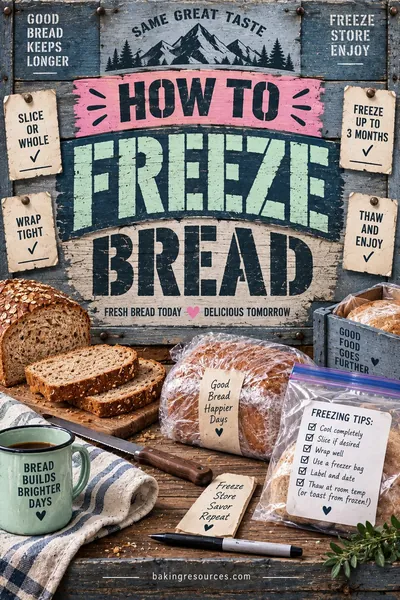
- Freeze ahead. Baked, un-iced rolls freeze well for up to 2 months. Wrap them tightly, thaw at room temperature, and warm covered at 300°F for about 10 minutes. The tips in how to freeze bread work the same way here.
 Baking guideHow to Freeze Bread and Thaw It Without Drying ItSee how long it keeps →
If you're scaling up for a crowd and switching yeast types, the active dry vs instant yeast guide gives the swap amounts. Then bake, check that center roll, and look for 190°F.
 Baking guideActive Dry vs Instant Yeast: Conversions That WorkCheck the rise times →
Questions people ask
What internal temperature should cinnamon rolls be?
Aim for about 190°F (88°C) in the center roll. Anywhere from about 188°F to 199°F means the dough is set and soft. Under 180°F the middle is still doughy, and over 210°F the rolls start to dry out. Take the reading from the side of the center roll, halfway up, so you measure the dough and not a pocket of hot filling.
Is it okay if cinnamon rolls are gooey in the middle?
Yes, as long as the goo is the filling and not the dough. Melted butter, brown sugar, and cinnamon make a sticky syrup in the swirl, and that's what most people love. Raw dough looks pale, wet, and pasty and tastes floury. If the center roll reads about 190°F, the gooey part is just filling.
Can I put underbaked cinnamon rolls back in the oven?
Yes. Cover the pan loosely with foil so the tops don't brown more, and bake at 350°F for another 5 to 10 minutes, then check the center roll again. If the rolls have cooled all the way, bake them covered at 325°F for 10 to 15 minutes. They'll set fully, though they may be a little less fluffy.
Why are my cinnamon rolls done on the outside but raw in the middle?
The middle roll gets heat last because the rolls around it act as insulation. Crowding the pan, rolling the spiral very tightly, underproofing, or baking dough straight from the fridge all make it worse. Bake on the middle rack, give the rolls room, and always test the center roll rather than an edge roll.
How long do cinnamon rolls take to bake at 350°F?
A 9x13 inch pan of 12 standard rolls usually takes 25 to 30 minutes at 350°F. Jumbo rolls take 30 to 38 minutes, and small rolls in a muffin pan take 15 to 20 minutes. Rolls straight from the fridge need 5 to 10 minutes more. Start checking at the low end and go by temperature.
How long can iced cinnamon rolls sit out?
Rolls with cream cheese icing shouldn't sit at room temperature for more than 2 hours, because the icing is dairy. After that, cover and refrigerate them and eat within a few days. Rolls with a plain sugar glaze or no icing keep in a covered container on the counter for a day or two.