
Can You Freeze Cinnamon Rolls? The Make-Ahead Guide

Yes, you can freeze cinnamon rolls: baked, unfrosted rolls keep their best quality for about 2 months in a 0°F freezer, and unbaked or par-baked rolls for about 1 month. Unbaked rolls thaw overnight in the fridge, rise for 60 to 90 minutes, and bake at 350°F for 25 to 30 minutes, until the center roll reads about 190°F. Frost them after baking, never before freezing.
Which way to freeze depends on how much work you want to do on the morning you serve them. Pick unbaked, par-baked or baked and whether you thawed them in the calculator below, and it gives you the exact oven temperature and time, plus the rise or doneness check.
Free calculator
Frozen cinnamon roll planner
Pick how far you baked your rolls before freezing and whether they thawed overnight to get the rise, oven temperature and time.
More free baking tools



Cinnamon roll freezer times at a glance
All of these times assume a freezer at 0°F or colder and rolls wrapped airtight. Kept frozen solid, they stay safe much longer, so these are best-quality windows. Past them, baked rolls dry out and unbaked dough loses its rise, because some of the yeast dies a little at a time in the freezer.
| What you freeze | Best quality in the freezer | How to thaw | How to bake or warm |
|---|---|---|---|
| Unbaked shaped rolls, before the second rise | About 1 month | Fridge, 12 to 16 hours | Rise 60 to 90 minutes, then 350°F for 25 to 30 minutes |
| Par-baked rolls | About 1 month | Fridge overnight, or not at all | 350°F for 12 to 15 minutes thawed, 20 to 25 minutes frozen |
| Baked rolls, unfrosted or glazed | About 2 months | Counter 2 to 3 hours, or fridge overnight | 325°F covered, 10 to 15 minutes thawed, 20 to 25 minutes frozen |
| Baked rolls with cream cheese frosting | About 1 month | Fridge only, overnight | Serve cool, or warm briefly without melting the frosting |
| Cream cheese frosting on its own | About 1 month | Fridge overnight | Stir or re-whip until smooth |
The short version: freeze them unfrosted, keep cream cheese anything in the fridge while it thaws, and plan one night ahead for unbaked rolls.
Why cinnamon rolls freeze so well
Cinnamon roll dough is an enriched dough, meaning it is made with milk, butter, eggs, and sugar on top of the usual flour, yeast, and salt. All that fat and sugar keeps the crumb soft and slows staling, both on the counter and in the freezer. The filling, a paste of butter, brown sugar, and cinnamon, freezes perfectly and does not change texture at all.
Staling, the way bread firms and dries as it sits, is really the starch in the crumb slowly crystallizing and pushing out water. It happens fastest at fridge temperatures and almost stops at 0°F. Heat partly undoes it. That is why a baked roll frozen on day one and warmed later tastes much fresher than one left on the counter for three days.
The one thing to manage is the yeast in unbaked dough. Freezing kills some yeast cells, and enriched doughs are already slower to rise, because sugar and fat slow yeast down. That is why unbaked rolls get a shorter freezer window, 1 month, than baked rolls, 2 months.
Unbaked, par-baked or baked: which to freeze
Each method trades work on serving day for quality. Here is how they compare.
| Unbaked | Par-baked | Fully baked | |
|---|---|---|---|
| Best quality in the freezer | About 1 month | About 1 month | About 2 months |
| Plan ahead the night before? | Yes, fridge thaw | Optional | Optional |
| Morning work | Rise 60 to 90 minutes, bake 25 to 30 minutes | Bake 12 to 25 minutes | Warm 10 to 25 minutes |
| Texture | Just like fresh-baked | Very close to fresh | Soft and good, slightly less fluffy |
| Risk | Slow or weak rise | Low | Lowest |
| Best for | Holiday mornings with time to spare | Mornings you want fresh rolls fast | Leftovers and grab-and-go breakfasts |
Par-baking is the best-kept secret of the three. It gives you nearly fresh-baked rolls without the early alarm, and there is no rise to worry about on the morning.
How to freeze unbaked cinnamon rolls
Freeze the rolls after they are shaped and in the pan, but before the second rise. A fully risen roll is full of gas and fragile; it would deflate in the freezer and bake up dense.
- Make the dough as usual and let it complete its first rise until doubled.
- Roll, fill, and cut the rolls, then set them in a greased metal or disposable aluminum pan. Metal can go from fridge to oven with no risk of cracking.
- Skip the second rise. Cover the pan right away.
- Wrap it tightly with two layers of plastic wrap pressed against the pan, then a layer of heavy-duty foil.
- Label it with the date and "Thaw in fridge overnight, rise 60 to 90 min, bake 350°F 25 to 30 min."
- Freeze flat and use within about 1 month.
Some bakers who freeze dough often add about a quarter more yeast to batches meant for the freezer, to make up for the cells lost to freezing. It is optional, and it can make the rolls taste slightly yeastier. If you switch yeast types for a freezer batch, check the amounts in our guide to rapid rise yeast first, since instant and active dry yeast are not measured the same.
 Baking guideRapid Rise Yeast: What It Is and How to Use ItGet the proofing tips →
No 9x13 pan to spare for the freezer? Two 8 or 9 inch round foil pans hold a dozen rolls between them. Cinnamon rolls without a 9x13 pan walks through the pan swaps and how the bake time changes.
 Baking guideChristmas Morning Cinnamon Rolls Without a 9x13 Pan: Two Rounds or a SkilletFind my pan size →
Thawing, rising and baking unbaked rolls
This is where most frozen cinnamon rolls succeed or fail. The plan is a slow thaw in the fridge, a short warm rise, and a full bake.
Thaw in the fridge, not on the counter
Cinnamon roll dough contains eggs and milk. Mainstream food-safety guidance keeps perishable foods out of the 40°F to 140°F range for no more than 2 hours. A pan of frozen rolls on the counter would take 4 to 6 hours to thaw and rise, with the outside sitting warm the whole time. The fridge does the thawing safely overnight, and the rolls even rise a little while they are in there.
- The night before, move the wrapped pan from the freezer to the fridge. Allow 12 to 16 hours.
- In the morning, unwrap the plastic (leave a loose sheet on top) and set the pan in a warm spot, about 80 to 85°F. A turned-off oven with only the light on works well, or the top of a warm stove.
- Rise for 60 to 90 minutes, until the rolls look puffy, have grown into each other, and a gentle fingertip dent springs back slowly. Keep the total time out of the fridge to 2 hours or less.
- Preheat to 350°F about 20 minutes before they look ready. If the rolls are rising in the oven, take them out first.
- Bake for 25 to 30 minutes in a 9x13 inch pan, until golden on top and the center roll reads about 190°F on an instant-read thermometer.
The center roll always bakes last, so that is the one to check. How to tell when cinnamon rolls are done explains the 190°F target and how gooey filling differs from raw dough.
 Baking guideHow to Tell When Cinnamon Rolls Are Done: 190°F and 3 SignsSee the doneness test →
If they have not risen enough
If the rolls look only slightly puffy at the 2 hour mark, bake them anyway. They will rise more in the oven, and they will be a little denser but fully baked and safe. Next time, give them a warmer spot, check that the yeast was fresh, and use them within the month. The causes in why dough is not rising cover the rest.
 Baking guideWhy Is My Dough Not Rising? 7 Causes and Fast FixesSee the timing chart →
How to par-bake cinnamon rolls for the freezer
Par-baking means baking the rolls partway, just until the dough is set but before it browns. The yeast has done its work and the structure is fixed, so there is no rise left to worry about after freezing.
- Let the shaped rolls complete their second rise in a metal or foil pan, until puffy and touching.
- Bake at 350°F for 12 to 15 minutes, until the rolls are set and spring back when pressed but are still pale, with only a hint of color at the edges.
- Cool completely in the pan, about 1 hour. Warm rolls wrapped for the freezer trap steam and turn soggy.
- Wrap the pan in two layers of plastic wrap and one of foil. Label it with the finishing instructions.
- Freeze and use within about 1 month.
To finish, either thaw the pan in the fridge overnight and bake uncovered at 350°F for 12 to 15 minutes, or bake straight from frozen at 350°F for 20 to 25 minutes, covered with foil for the first 10. Either way, they are done when golden and the center roll reads about 190°F.
How to freeze fully baked cinnamon rolls
Baked rolls are the easiest to freeze and keep the longest, about 2 months. They are also how most leftovers end up in the freezer.
- Bake them fully to about 190°F in the center roll.
- Do not frost them. A thin powdered sugar glaze is fine, though it can turn a little sticky. Cream cheese frosting is best added after thawing.
- Cool completely, about 1 hour on a rack.
- Freeze the whole pan wrapped in plastic and foil, or freeze single rolls: wrap each one in plastic wrap, then put them in a freezer bag with the air pressed out.
- Label and date them, and use within about 2 months.
If you bake in a pan you need back, such as your only 9x13, line it with a sling of parchment before baking. Once the rolls are frozen solid, lift them out by the parchment, wrap them, and the pan is free. A foil pan from the start works just as well. For other pan options, see 9x13 pan substitutes.
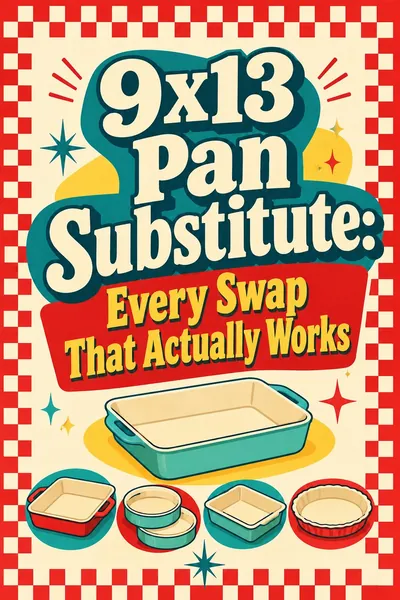 Baking guide9x13 Pan Substitute: Every Swap That Actually WorksGet the swap chart →
Single rolls are handy for weekday breakfasts. Leaving them in a pan is better for serving a crowd, since they stay soft where they touch. The same wrapping logic applies to any yeast bread; see how to freeze bread for loaves and rolls.
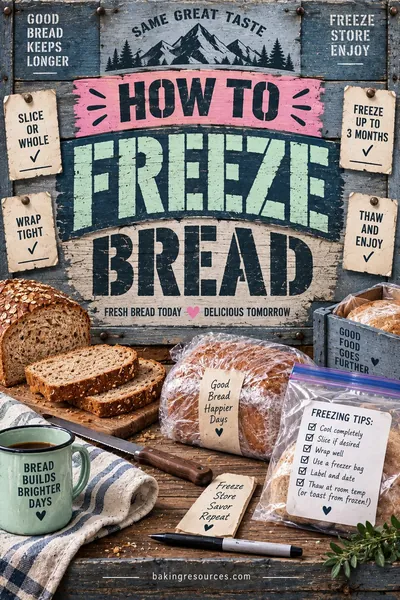 Baking guideHow to Freeze Bread and Thaw It Without Drying ItSee how long it keeps →
Frosting and glaze: add them after freezing
Frosting is the part that does not freeze well on the rolls. Glaze weeps and turns sticky as it thaws. Cream cheese frosting can turn grainy or watery, and it soaks into the tops. Both are much better added fresh.
Cream cheese frosting
Cream cheese frosting is perishable. It should not sit out for more than 2 hours, including the time it spends on warm rolls on the table. You can make it ahead and freeze it on its own for about 1 month in an airtight container. Thaw it overnight in the fridge, then stir or beat it until smooth. If it seems loose after thawing, the fixes in why frosting turns runny help, and how to store frosting covers fridge and freezer times for other types. Making it fresh? Softening cream cheese quickly keeps it lump-free.
 Baking guideWhy Is My Frosting Runny? Fix It Without Adding More SugarFix it next time →
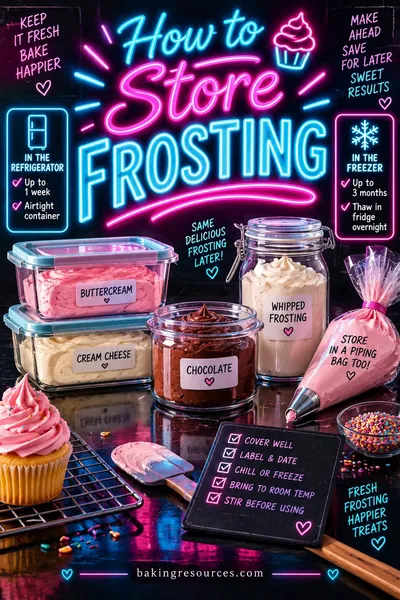 Baking guideHow to Store Frosting: Fridge, Freezer and CounterGet the storage times →
Already frosted rolls
If the rolls already have cream cheese frosting, you can still freeze them. Freeze them uncovered on a tray for 1 to 2 hours until the frosting is hard, then wrap. Use them within about 1 month, thaw them in the fridge overnight, and serve them cool or barely warm. Do not thaw them on the counter.
Simple glaze
A powdered sugar and milk glaze takes 2 minutes to stir together, so just make it fresh. Drizzle it over the rolls while they are still warm from the oven so it melts into the swirls.
Sticky buns, orange rolls and other swirl rolls
Most sweet yeast rolls follow the same freezer rules as cinnamon rolls, because the dough is nearly identical. The fillings and toppings are what change.
Sticky buns and caramel pecan rolls
Sticky buns bake on top of a layer of butter, brown sugar, and often pecans in the bottom of the pan, then get flipped out. That caramel layer freezes perfectly, so you can freeze sticky buns unbaked, right on top of their topping, the same way as cinnamon rolls. Thaw them overnight in the fridge, rise 60 to 90 minutes, and bake at 350°F for 25 to 30 minutes. Flip them onto a platter within a minute or two of leaving the oven, while the caramel is still loose. Baked sticky buns freeze too, but the caramel soaks into the bread more each day, so they are best used within about 1 month.
Orange rolls and fruit-filled rolls
Orange rolls with a butter, sugar, and zest filling freeze just like cinnamon rolls. Rolls filled with jam or fresh fruit can turn soggy at the swirls, because the fruit releases water as it thaws. Freeze those baked rather than unbaked, and use them within about 1 month.
Cardamom buns and other spiced rolls
Scandinavian-style cardamom buns, often twisted rather than rolled, freeze well baked for about 2 months and warm beautifully. Ground cardamom loses its aroma faster than cinnamon, so a filling that sat a long time can taste milder. If you are out of it, cardamom substitutes lists the swaps that work in sweet doughs.
 Baking guideCardamom Substitute: 8 Swaps for Breads, Pies and CookiesWhat can I use? →
Store-bought cinnamon rolls: canned dough and bakery rolls
Not every pan of cinnamon rolls starts from scratch, and store-bought rolls have their own rules.
- Refrigerated canned dough. Tubes of cinnamon roll dough are made for the fridge, so check the package before freezing one, since freezing can affect how the dough rises and the tube can split. The easy fix: bake them by the date on the package, then freeze the baked, unfrosted rolls for up to 2 months. Keep the icing cup in the fridge and use it by its date.
- Bakery rolls, unfrosted or glazed. Freeze them the day you buy them, wrapped individually in plastic, then bagged. Warm them covered at 325°F.
- Bakery rolls with cream cheese frosting. These must stay cold. Freeze them uncovered until the frosting firms, wrap them, use within about 1 month, and thaw them in the fridge.
- Frozen unbaked rolls sold in the freezer case. Follow the package directions for thawing and rising, since those doughs are made for a specific schedule. If the package suggests a long counter rise and the dough contains eggs or dairy, an overnight fridge thaw followed by a short warm rise works too.
How to reheat frozen baked cinnamon rolls
Gentle, covered heat keeps the rolls soft. Uncovered, the tops dry out and the edges harden before the center warms.
| Method | From frozen | From thawed | Tip |
|---|---|---|---|
| Oven at 325°F, pan covered with foil | 20 to 25 minutes | 10 to 15 minutes | Best for a full pan; uncover for the last 2 minutes |
| Oven at 325°F, single rolls in foil | 15 to 20 minutes | 8 to 10 minutes | Wrap each roll loosely |
| Microwave, single roll | 30 to 45 seconds under a damp paper towel | 15 to 20 seconds | Eat right away; it firms as it cools |
| Air fryer at 300°F | 6 to 8 minutes, wrapped in foil | 3 to 4 minutes | Keep the foil on so the top does not scorch |
Covering matters more than the exact temperature. Foil traps the steam that the roll gives off as it warms, and that steam keeps the crumb soft. An uncovered roll loses that moisture to the oven air and comes out with crisp, hard edges. For the same reason, a pan of rolls that are touching reheats softer than single rolls spread apart on a sheet. For how cinnamon rolls compare with other baked goods on the counter, in the fridge and in the freezer, see our guide on storing baked goods.
 Baking guideHow to Store Baked Goods: Counter, Fridge or FreezerRead the storage guide →
The roll is ready when the center feels soft and warm when you press it. Frost it right after it comes out, so the frosting softens slightly into the swirls.
Worked example: fresh cinnamon rolls on Christmas morning
Say you want a pan of 12 warm, frosted rolls on the table at 9 a.m. on Christmas Day, without getting up before dawn.
Option A: unbaked rolls
- December 13. Make the dough, let it rise once, shape 12 rolls in a foil 9x13 inch pan, wrap, and freeze. That gives 12 days in the freezer, well within the month.
- December 24, 6 p.m. Move the pan to the fridge. Make the cream cheese frosting and refrigerate it in a covered bowl.
- December 25, 6:45 a.m. After nearly 13 hours, the rolls are thawed and have puffed slightly. Set the pan in the oven with only the light on.
- 8:00 a.m. The rolls are puffy and touching. That is 75 minutes out of the fridge. Take them out and preheat to 350°F. Set the frosting on the counter to soften.
- 8:20 a.m. Into the oven.
- 8:47 a.m. The center roll reads 191°F. Out they come.
- 8:55 a.m. Frost them while warm. On the table by 9.
- 11 a.m. Leftovers with cream cheese frosting go into the fridge, within the 2 hour limit.
Notice the two numbers that matter in that timeline: about 13 hours in the fridge, and 75 minutes plus the bake out of it. The long, cold part does the thawing safely, and the short, warm part does the rising. If your kitchen is cold and the rolls look underwhelming at 8 a.m., you still have some room, but bake them by about 8:45 a.m. at the latest to stay inside the 2 hour window.
Option B: par-baked rolls
Par-bake the same pan on December 13 and freeze it. On Christmas Eve, move it to the fridge. On Christmas morning, preheat to 350°F at 8:20, bake uncovered at 8:35 for 12 to 15 minutes, and frost at 8:50. No rise, no early wake-up, and almost the same result.
A make-ahead plan for holiday mornings and houseguests
Cinnamon rolls are a holiday breakfast favorite, and the freezer lets you spread the work across a quiet weekend in early December.
| How far ahead | What to do |
|---|---|
| Up to 2 months | Bake and freeze fully baked, unfrosted rolls for houseguest breakfasts |
| Up to 1 month | Freeze unbaked or par-baked pans for the main holiday morning; freeze cream cheese frosting |
| The night before | Move unbaked or par-baked pans and frosting to the fridge |
| The morning of | Rise unbaked rolls 60 to 90 minutes, or bake par-baked rolls straight away |
| Serving | Frost warm rolls; refrigerate frosted leftovers within 2 hours |
If you are baking for a full house, a soft dinner roll dough freezes the same way and can share the freezer and the oven. Our dinner rolls recipe includes timing that fits around a holiday meal. Winter kitchens run cooler, so lean on the oven-light trick for rising, and do not be surprised if rolls need the full 90 minutes.
What goes wrong with frozen cinnamon rolls, and how to fix it
| What you see | Why it happened | Fix next time |
|---|---|---|
| Unbaked rolls barely rise after thawing | Some yeast died in the freezer, rolls kept past a month, or the rising spot was too cool | Use within a month; rise at 80 to 85°F; check the yeast |
| Dense, heavy rolls | Second rise happened before freezing and deflated, or the morning rise was cut too short | Freeze before the second rise; rise until puffy and touching |
| Gooey, raw center roll | Pulled too early, especially after a cold start | Bake until the center roll reads about 190°F |
| Dry, hard baked rolls after reheating | Reheated uncovered or too long | Cover with foil, 325°F, and check early |
| Gray, dry spots on the dough or rolls | Freezer burn from air in the wrap | Two layers of plastic plus foil, pressed tight |
| Filling leaked out and burned on the pan | Rolls unrolled slightly as they thawed, or the filling was too soft | Roll tightly and pinch the seam; chill the log before cutting |
| Sticky, weeping glaze | Glazed before freezing | Glaze after thawing and warming |
| Cracked glass baking dish | Frozen glass went into a hot oven | Freeze in metal or foil pans |
Signs they are past their best, and common mistakes
Rolls kept frozen solid at 0°F are safe, so you are mostly judging quality. Past their best, they show heavy frost in the wrap, dry gray patches, a stale taste even after warming, and, for unbaked rolls, a weak rise. Those baked rolls are still safe and make good bread pudding or French toast casserole. Throw them out if you see mold, if unbaked dough sat on the counter for hours, or if cream cheese frosted rolls sat out more than 2 hours.
Mistakes to avoid
- Thawing unbaked rolls on the counter overnight. The dough has eggs and milk. Thaw in the fridge.
- Freezing after the second rise. Freeze unbaked rolls right after shaping.
- Frosting before freezing. Frost after warming.
- Using a glass pan for frozen rolls that go into a hot oven. Use metal or foil.
- Judging doneness by color alone. Rolls from a cold start brown on top before the center is done. Check the center roll for 190°F.
- Using butter that is too soft for the filling. Melted butter leaks out during the thaw. Soft but cool butter stays put; how to soften butter gets it to the right point without melting.
- Testing an old jar of yeast on your freezer batch. A quick test from how to proof yeast takes 10 minutes and saves a whole pan.
Questions people ask
How long can you freeze cinnamon rolls?
Fully baked, unfrosted cinnamon rolls keep their best quality for about 2 months in a 0°F freezer. Unbaked and par-baked rolls are best within about 1 month, because the yeast weakens over time. Rolls with cream cheese frosting are also best within 1 month. All stay safe longer while frozen solid, but the texture declines.
Is it better to freeze cinnamon rolls baked or unbaked?
Unbaked rolls taste the most like fresh, but they need an overnight fridge thaw and a 60 to 90 minute rise before baking. Baked rolls are the quickest and keep longest. Par-baked rolls are a good middle ground: nearly fresh-baked, with no rise on the morning, just 12 to 25 minutes in a 350°F oven.
Can you thaw frozen cinnamon rolls on the counter overnight?
Not unbaked rolls. The dough contains eggs and milk, so it should thaw in the fridge for 12 to 16 hours and spend no more than 2 hours at room temperature while it rises. Plain baked rolls without cream cheese frosting can thaw on the counter for 2 to 3 hours.
When should you freeze unbaked cinnamon rolls?
Right after shaping and setting them in the pan, before the second rise. A fully risen roll is full of gas and deflates in the freezer, then bakes up dense. The first rise, before rolling and filling, should be completed as normal. Wrap the pan in plastic and foil and use it within about 1 month.
How do you bake frozen cinnamon rolls?
For unbaked rolls, thaw overnight in the fridge, rise 60 to 90 minutes in a warm spot, then bake at 350°F for 25 to 30 minutes until the center roll reads about 190°F. Par-baked rolls take 12 to 15 minutes thawed or 20 to 25 minutes from frozen at 350°F. Baked rolls warm covered at 325°F.
Can you freeze cinnamon roll dough before shaping?
Yes. After the first rise, punch the dough down, flatten it into a disc, wrap it tightly in oiled plastic wrap and a freezer bag, and freeze it for up to about 1 month. Thaw it overnight in the fridge, then roll, fill, cut, and let the rolls rise in a warm spot until puffy, keeping them out of the fridge no more than 2 hours before baking. Freezing shaped rolls in the pan saves more time on the morning.
Can you freeze cinnamon rolls with cream cheese frosting?
You can, but they are better frosted after freezing. If they are already frosted, freeze them uncovered until the frosting is hard, then wrap them and use within about 1 month. Thaw them in the fridge, never on the counter, and do not leave them at room temperature more than 2 hours.
Why didn't my frozen cinnamon rolls rise?
The most common causes are a rising spot that was too cool, rolls kept in the freezer longer than a month, or rolls frozen after the second rise. Some yeast always dies in the freezer, so frozen dough rises more slowly. Rise them at 80 to 85°F, and if they are not fully puffy at 2 hours, bake them anyway.