
Soft Dinner Rolls Recipe

These dinner rolls come out soft and fluffy because the dough is enriched: warm milk, butter, an egg and a little sugar all keep the crumb tender, and the rolls bake snug in the pan so their sides stay soft instead of crusting over. You bake them at 375°F for about 20 to 25 minutes, then brush the tops with melted butter.
Plan on roughly 3 hours from start to table, and most of that is hands-off waiting through two rises. The calculator below scales the batch for your pan and your guest count, switches between cups and grams, and times both rises so you know exactly when to start.
Recipe card
Soft Dinner Rolls recipe
Pick your pan and how many you need. Every amount, the bake time and your start time update for you.
More free baking tools



Why this recipe makes soft rolls
A crusty bread like a baguette is just flour, water, salt and yeast. This dough adds fat, sugar, milk and an egg, and each one softens the crumb. Fat coats the flour proteins so the gluten stays tender instead of chewy. Sugar holds onto moisture, so the rolls stay soft longer. Milk brings its own fat and sugar and browns the tops to a deep gold.
The pan helps too. When the rolls bake pressed together, their sides steam instead of drying out, which gives you those soft, pull-apart edges. Only the tops get a crust, and the melted butter you brush on after baking softens even that. And because the dough stays soft and slightly tacky, it makes plenty of steam in the oven, which helps the rolls puff up light and airy.
The ingredients and what each one does
Each ingredient here has a job. If you'd rather weigh than scoop, the grams to cups converter handles each ingredient by its own weight, so flour and sugar don't get treated the same.
 Free toolGrams to Cups Converter (Ingredient-Aware)Plug in my recipe →
All-purpose flour
Flour gives the rolls their structure, with enough protein for a stretchy dough but not so much that the rolls turn chewy. A cup scooped straight from the bag can weigh far more than a cup spooned in and leveled, and extra flour is the most common reason rolls come out dry. The recipe counts on 125 g per cup, and our guide on how to measure flour explains why that number changes so much depending on how you fill the cup.
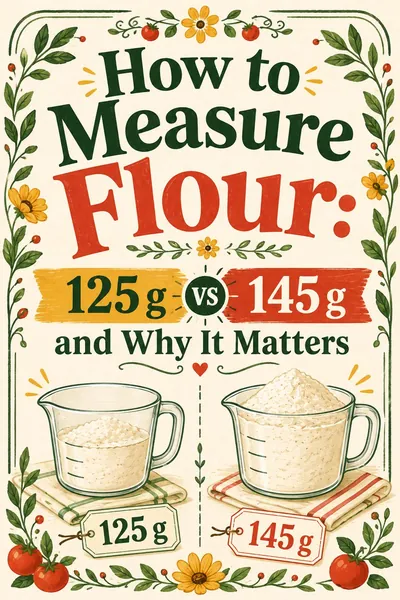 Baking guideHow to Measure Flour: 125 g vs 145 g and Why It MattersLearn the method →
Instant yeast
Yeast eats the sugars in the dough and gives off gas, which gets trapped in the gluten and makes the dough rise. This recipe uses instant yeast, one packet, which you can mix right in with the dry ingredients. If you only have active dry yeast, it works too. The yeast converter gives you the matching amount, and the guide to active dry vs instant yeast explains when to dissolve it first. If your yeast has been in the pantry a while, here's how to proof yeast to make sure it's still alive.
 Free toolYeast Converter: Active Dry, Instant and FreshConvert it now →
 Baking guideActive Dry vs Instant Yeast: Conversions That WorkGet the proofing tips →
Sugar and salt
The sugar feeds the yeast, sweetens the rolls just a touch and helps the tops brown. Salt seasons the dough and also keeps the yeast from racing ahead too fast, which makes the gluten stronger. Don't skip the salt. Rolls without it taste flat and often rise unevenly.
Warm milk
Milk is the main liquid. Warm it to 110°F so the yeast wakes up quickly. Too cool and the rises drag on. Much hotter than that and you risk harming the yeast. Whole milk gives the softest, richest rolls because of its fat.
Butter and egg
Soft butter in the dough tenderizes the crumb and adds flavor. The egg adds richness, a little extra lift and a pretty golden color inside. The melted butter on top goes on after baking, so the tops stay soft and shiny instead of firm.
Kneading and the windowpane test
Kneading builds the gluten network that holds the gas from the yeast. Without it, the bubbles escape and the rolls bake up heavy. Plan on 8 to 10 minutes by hand or with a stand mixer and dough hook.
At first the dough looks shaggy and sticky. Resist dumping in extra flour, since it smooths out as you knead. You're aiming for a dough that is smooth, soft and slightly tacky, meaning it sticks to your finger for a second and then lets go cleanly.
To check whether it's ready, try the windowpane test. Pinch off a small piece and gently stretch it between your fingers. If it stretches thin enough to let light through without tearing, the gluten is ready. If it rips right away, knead a few more minutes and test again. Our guide on how to knead dough walks through hand and mixer kneading in more detail.
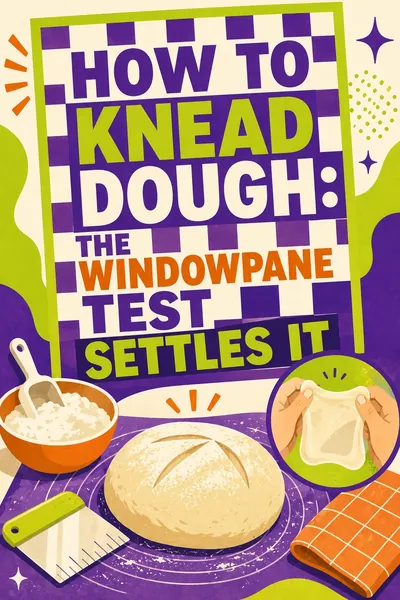 Baking guideHow to Knead Dough: The Windowpane Test Settles ItSee the timing chart →
How to tell each rise is done
The times are a guide, not a rule. A warm kitchen speeds yeast up and a cool one slows it down, so let the dough tell you.
The first rise
Cover the bowl and let it sit in a warm spot until the dough has doubled, usually 1 to 1 1/2 hours. A straight-sided bowl or container makes "doubled" much easier to judge. To check, use the poke test: flour a fingertip and press it about half an inch into the dough. If the dent slowly fills back in partway, it's ready. If it springs right back, give it more time. If the dent stays put and the dough sighs and sinks, it has gone a bit too far, but you can still shape it and move on.
The second rise
After shaping, the rolls rise again for 45 to 60 minutes until they look puffy and are touching each other in the pan. This is the time to heat the oven to 375°F. Use the poke test again, but more gently. A light press near the edge of a roll should leave a small dent that comes back slowly. Rolls that go into the oven under-risen tend to split on the sides and bake dense, while over-risen rolls can collapse a little.
If your dough just sits there and won't budge, our guide to why your dough is not rising covers the usual causes, from old yeast to a chilly kitchen.
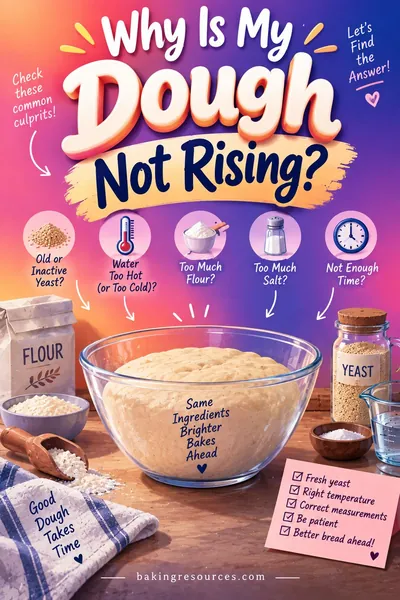 Baking guideWhy Is My Dough Not Rising? 7 Causes and Fast FixesCheck the rise times →
Shaping tight rolls
A digital scale makes shaping easy. Weigh the whole dough, divide by the number of rolls, and cut pieces to match. Equal pieces mean every roll finishes baking at the same time.
Flatten each piece slightly, pull the edges into the center and pinch them together. Flip it seam side down onto a clean, unfloured counter, cup your hand over it and roll it in small circles. The grip of the counter pulls the outside tight, and that smooth skin holds the gas in for a tall, rounded roll.
Set the rolls seam side down in a buttered pan, spaced evenly and just touching. As they rise they'll press together and fill the pan.
Pan sizes, roll counts and bake times
The recipe card lets you pick your pan, and it scales the dough to fit. Here's how each option works out. The total base batch makes about 975 g of dough, so each roll lands close to 65 g no matter which pan you pick. That keeps the bake times steady. If you want to scale the dough some other way, the recipe converter can halve, double or adjust any batch.
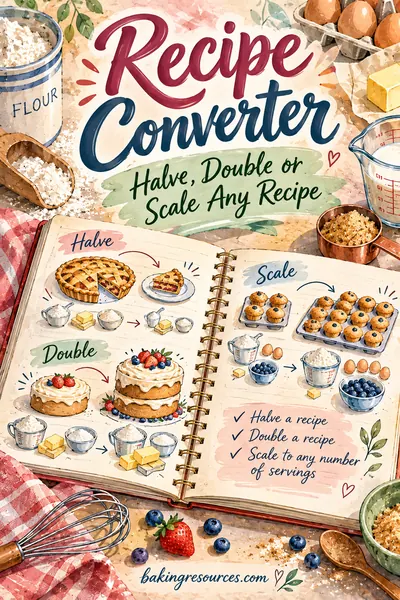 Free toolRecipe Converter: Halve, Double or Scale Any RecipeTry the calculator →
| Pan | Rolls | Batch size | Dough per roll (approx.) | Bake time at 375°F |
|---|---|---|---|---|
| 9 x 13 pan | 15 | 1 batch | 65 g | 20 to 25 min |
| Two 9 inch round pans | 16 (8 per pan) | 1.07 batches | 65 g | 20 to 25 min |
| 9 x 9 square pan | 9 | 0.6 batch | 65 g | 20 to 24 min |
| 12 cup muffin tin | 12 | 0.8 batch | 65 g | 15 to 18 min |
Muffin tin rolls bake fastest because hot metal surrounds each one, which also gives them crisper sides. If your oven only shows Celsius or has a fan setting, the oven temperature conversion chart gives you the right setting.
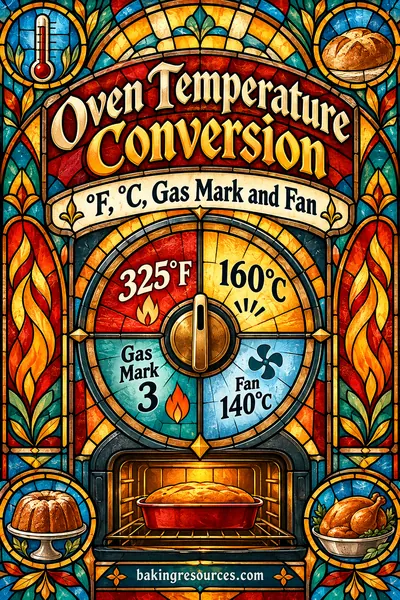 Free toolOven Temperature Conversion: °F, °C, Gas Mark and FanGet my number →
How to tell when the rolls are done
The tops should be deep golden brown, not pale yellow. But the middle rolls bake slower than the edges, so color alone can fool you.
The surest check is an instant-read thermometer in the center of a middle roll. At 190°F they're done: the starches have set and the extra moisture has cooked off, so the crumb won't be gummy. You can read more about this in our guide on how to tell when bread is done.
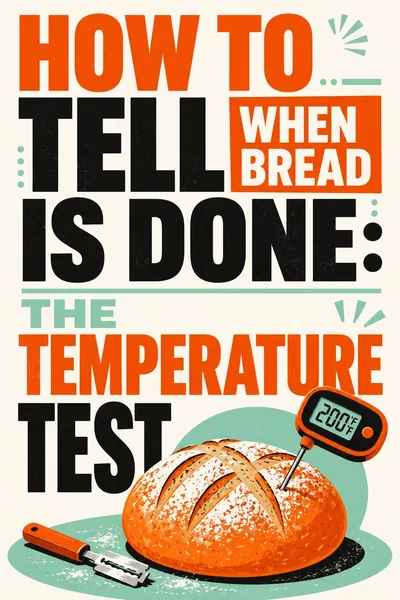 Baking guideHow to Tell When Bread Is Done: The Temperature TestCheck if it's done →
Brush the tops with melted butter right away, while they're hot, so it soaks in. Let them cool 10 minutes in the pan, then serve warm.
Make-ahead plan for Thanksgiving
On a big holiday the oven is crowded, so there are two easy ways to get ahead.
Option 1: Overnight fridge rise
- The day before, make the dough, let it go through the first rise, and shape the rolls into the buttered pan.
- Cover the pan tightly with plastic wrap and put it straight in the fridge. The cold slows the yeast way down, so the rolls rise very slowly overnight.
- On the big day, take the pan out and let it sit at room temperature until the rolls look puffy and are touching, often 1 to 2 hours since the dough starts cold.
- Bake at 375°F as usual, checking for 190°F in the center.
The slow rise also adds a little extra flavor.
Option 2: Bake and freeze
- Bake the rolls fully, up to a few weeks ahead, and let them cool completely.
- Wrap the whole slab of rolls tightly in plastic wrap, then foil or a freezer bag, and freeze.
- The day before you need them, thaw them in their wrapping on the counter so the moisture goes back into the rolls instead of onto the surface.
- Warm them in foil at 350°F for about 10 minutes, then brush with a little melted butter.
For more on wrapping, thawing and avoiding freezer burn, see our guide on how to freeze bread.
 Baking guideHow to Freeze Bread and Thaw It Without Drying ItRead the storage guide →
Storing and reheating leftovers
Keep leftover rolls in an airtight bag on the counter for 2 to 3 days. Skip the fridge, since starches firm up fastest at fridge temperatures and the rolls go stale sooner. For longer, freeze them.
To warm day-old rolls, wrap them in foil and heat at 350°F for 8 to 10 minutes. Our guide on how to store bread compares the counter, bread box and freezer.
Baking at high altitude
Above 3,000 ft, yeast dough rises faster because there's less air pressure holding it back. Use about 25% less yeast, which is a scant 1 3/4 tsp for one batch. Watch the dough, not the clock, since each rise can finish 15 to 30 minutes sooner. Flour also tends to be drier up high, so add 1 to 2 tablespoons more milk if the dough feels stiff. The high altitude baking chart covers adjustments by elevation.
Troubleshooting dinner rolls
Most roll problems come down to flour, yeast or timing.
| Problem | Likely cause | How to fix it |
|---|---|---|
| Dense, heavy rolls | Too much flour, not enough kneading, or a short second rise | Weigh the flour, knead until the windowpane test passes, and wait until the rolls are puffy and touching before baking |
| Dough didn't rise | Old yeast, milk that was too hot, or a cold kitchen | Check the yeast first, keep the milk at 110°F, and move the bowl somewhere warm, like an oven with just the light on |
| Pale tops | Oven running cool, pan on a low rack, or pulled out too soon | Check the oven with a thermometer, bake on the middle rack, and wait for deep golden tops and 190°F inside |
| Dry rolls | Extra flour, overbaking, or storing them in the fridge | Keep the dough slightly tacky, pull the rolls at 190°F, brush with butter and store them on the counter in a bag |
| Rolls split on the sides | Underproofed, or shaped loosely | Let the second rise finish and shape each ball with a tight, smooth top |
If heavy rolls keep happening, our guide on why bread turns out dense digs deeper into each cause.
Questions people ask
How long do dinner rolls take from start to finish?
Plan on about 3 hours. Mixing and kneading take around 15 minutes, the first rise takes 1 to 1 1/2 hours, shaping takes about 15 minutes, and the second rise takes 45 to 60 minutes. Baking takes 20 to 25 minutes in a 9 x 13 pan, plus 10 minutes of cooling. Most of that time is hands-off waiting while the dough rises.
Can I use active dry yeast instead of instant yeast?
Yes. Use the same packet amount or a touch more, and stir it into the warm milk first with a pinch of the sugar. Let it sit for about 5 to 10 minutes until it looks foamy, then add it with the butter and egg. Expect each rise to take a little longer than it would with instant yeast.
What temperature should dinner rolls be when they are done?
Dinner rolls are done when the center of a middle roll reads 190°F on an instant-read thermometer. Check a roll in the middle of the pan, not one on the edge, since the middle rolls bake slowest. The tops should also be a deep golden brown. Brush them with melted butter as soon as they come out of the oven.
Can I make dinner rolls the night before Thanksgiving?
Yes. Make the dough, let it rise once, shape the rolls into the buttered pan, then cover tightly and refrigerate overnight. The next day, let the pan sit at room temperature until the rolls are puffy and touching, which often takes 1 to 2 hours since the dough starts cold. Then bake at 375°F as usual.
Why are my dinner rolls dense instead of fluffy?
The usual cause is too much flour, often from scooping it straight out of the bag. Weighing it at 125 g per cup fixes that. Other causes are short kneading, so the dough can't hold gas, or baking before the second rise is finished. Knead until the dough passes the windowpane test, and wait until the rolls look puffy and touch each other.
Can I bake these rolls in a muffin tin?
Yes. The recipe card scales the dough to 0.8 of a batch for a 12 cup muffin tin, which gives you 12 rolls. Put one ball of dough in each buttered cup. Because hot metal surrounds every roll, they bake faster, in 15 to 18 minutes at 375°F, and the sides come out a little crisper than pan-baked rolls.
How do I keep leftover dinner rolls soft?
Once they've cooled, store them in an airtight bag or container on the counter for 2 to 3 days. Don't put them in the fridge, since cold air makes bread go stale faster. To soften them again, wrap in foil and warm at 350°F for 8 to 10 minutes. For longer storage, wrap them well and freeze.