
Butter Substitute in Baking: The Right Swap for Cookies, Cakes and Pie

The easiest butter substitute in baking is stick margarine or plant-based butter sticks, used cup for cup, because they have about the same 80 percent fat as butter. For recipes that use melted butter, swap in 3/4 cup of vegetable oil for every 1 cup of butter. Shortening, lard and coconut oil work too, with slightly smaller amounts.
The right pick depends on what you're baking. Cookies, cakes and pie crust each lean on butter for a different job, so one swap rarely suits all three. Pick how much butter your recipe calls for and what you have, and the calculator below works out the exact amount for you.
Free calculator
Butter substitute calculator
Pick how much butter your recipe calls for and the swap you have, and see the exact amount to use.
More free baking tools



Start with how the recipe uses the butter
Before you pick a swap, look at the recipe's method. It tells you which of butter's jobs matter most. Our guide on what butter does in baking explains the science, but for swapping, three questions cover it:
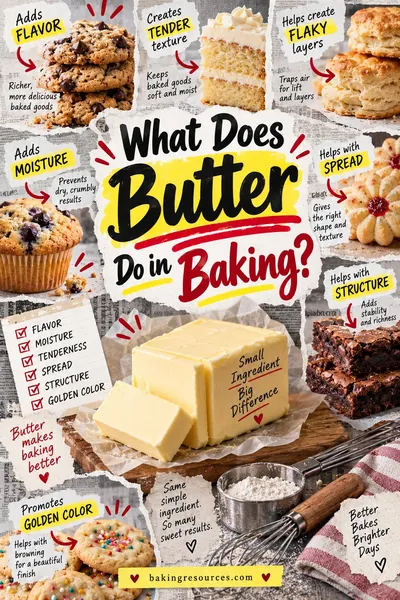 Baking guideWhat Does Butter Do in Baking? Fat, Water, Air, FlavorRead it next →
- Is it creamed with sugar? Then you need a fat that's solid at room temperature, so it can trap air. Margarine sticks, plant butter sticks and shortening work. Oil doesn't.
- Is it cut into flour, like pie crust or biscuits? Then you need a cold, solid fat. Shortening, lard, plant butter sticks and cold coconut oil work.
- Is it melted? Then any fat can stand in, including oil, and this is where swaps are easiest.
Butter is also about 16 to 18 percent water. Fats with no water, like shortening, oil and lard, need a little less volume, and sometimes a splash of milk, to come out right.
Butter substitute chart
All amounts replace 1 cup of butter (2 sticks, about 227 grams). Our butter converter turns sticks into cups, tablespoons and grams if your recipe uses a different unit.
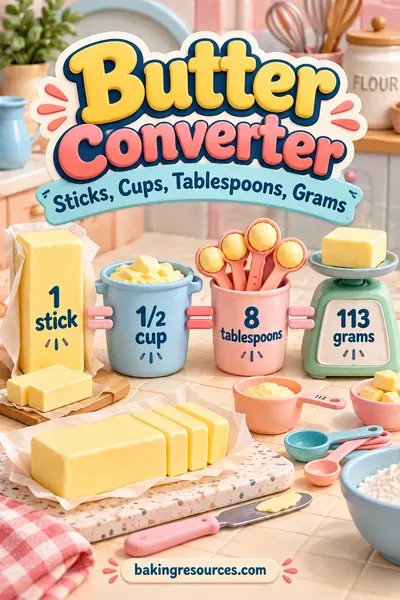 Free toolButter Converter: Sticks, Cups, Tablespoons, GramsDo the math for me →
| Swap | Amount for 1 cup butter | Works in | What changes |
|---|---|---|---|
| Stick margarine (80% fat) | 1 cup | Cookies, cakes, frosting, crusts | Closest behavior; milder flavor |
| Plant-based butter sticks | 1 cup | Cookies, cakes, frosting, crusts | Dairy-free; some brands spread a bit more |
| Shortening | 1 cup minus 2 tbsp, plus 1 to 2 tbsp milk if dough is dry | Cookies, pie crust, cakes | Taller, softer cookies; no butter flavor |
| Lard | 1 cup minus 2 tbsp | Pie crust, biscuits | Very flaky; mild savory note |
| Vegetable oil | 3/4 cup | Melted-butter cakes, muffins, brownies | Moist, tender; no creaming possible |
| Refined coconut oil | 3/4 cup + 1 tbsp | Cookies, bars, quick breads | Firm when cold, soft in a warm room |
| Half applesauce | 1/2 cup butter + 1/2 cup unsweetened applesauce | Muffins, quick breads, spice cakes | Lighter, moister, more cakey |
| Half Greek yogurt | 1/2 cup butter + 1/4 cup plain Greek yogurt | Muffins, quick breads, coffee cake | Slight tang, very tender |
Solid fats: margarine, plant butter, shortening and lard
Stick margarine and plant-based butter
These are the simplest swaps because they're built to act like butter. Use them cup for cup. The key is the label. Look for sticks with about 80 percent fat, often marked "for baking." Tub spreads, "light" products and anything sold as a spread have extra water and air. They make thin batters, flat cookies and soggy crusts, so save them for toast.
Plant-based butter sticks are the easiest route for dairy-free baking. Some brands are softer than dairy butter, so chill cookie dough a bit longer. Our dairy-free baking substitutions guide covers the milk and cream in the same recipe.
 Baking guideDairy Free Baking Substitutions: Milk, Butter, CreamPick a substitute →
Shortening
Shortening is pure fat, so use 1 cup minus 2 tablespoons per cup of butter. If cookie dough looks dry or crumbly, add 1 to 2 tablespoons of milk to stand in for butter's water. Cookies come out taller and softer, and pie crust gets very flaky. The trade is flavor, since shortening tastes like nothing. Many bakers use half butter and half shortening to get some of both.
Lard
Lard is also pure fat and a little denser than shortening. Use 1 cup minus 2 tablespoons per cup of butter. It's best in pie crust and biscuits, where it makes tall, flaky layers. It isn't vegetarian, and it has a faint savory taste that suits apple and pumpkin pie crusts and savory pies best.
Liquid fats: oil and coconut oil
Vegetable oil at 3/4 cup
For recipes that call for melted butter, use 3/4 cup of a neutral oil like canola for each cup of butter. Oil is all fat and coats flour very well, so a smaller amount does the job. Oil cakes and muffins stay moist longer, but they won't have butter's flavor or brown quite as deeply. Our guide on butter vs oil in baking goes deep on which recipes switch well and which don't.
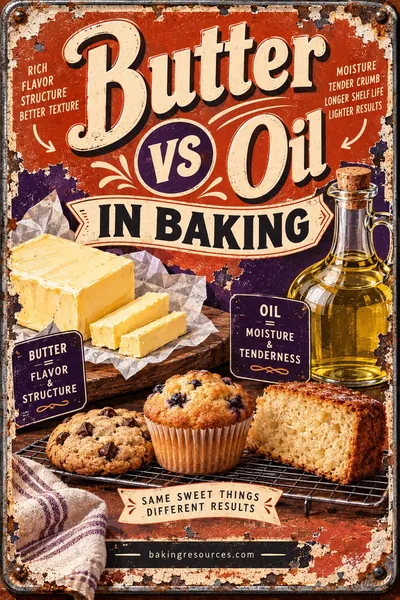 Baking guideButter vs Oil in Baking: How to Swap Them CorrectlyLearn more →
Don't use oil in a recipe that creams the butter with sugar. Creaming beats tiny air pockets into solid fat, and those pockets help a cake or cookie rise. Our guide on creaming butter and sugar shows why that step matters. Oil can't hold air, so the bake turns out dense and greasy.
 Baking guideHow to Cream Butter and Sugar: 3 to 5 Minutes, ExplainedLearn the method →
Refined coconut oil
Coconut oil is solid below about 76°F, so it can cream and cut into flour like butter when it's cool. Use 3/4 cup plus 1 tablespoon per cup of butter, measured solid. Choose refined if you don't want a coconut taste. In a warm kitchen it softens quickly, so chill the dough before baking. It makes crisp-edged cookies and tender bars.
Applesauce and yogurt: partial swaps
Applesauce and yogurt can cut some of the butter in moist bakes, but they can't replace all of it. Butter is fat, and fat is what keeps a crumb tender. Swap out all the butter for applesauce and you get a rubbery, gummy loaf.
For a lighter muffin or quick bread, replace half the butter with the same amount of unsweetened applesauce, like 1/2 cup butter plus 1/2 cup applesauce for every cup. With plain Greek yogurt, use 1/2 cup butter plus 1/4 cup yogurt per cup. Both work best in pumpkin bread, banana bread, spice cakes and muffins. They don't work in cookies, pie crust or anything creamed for a light, fluffy cake. If a lighter muffin comes out dry, our guide on why muffins turn out dry helps.
 Baking guideWhy Are My Muffins Dry? 6 Causes and the Fix for EachFix it next time →
Cookies vs cakes vs pie crust
| What you're baking | Best swap | Second choice | Avoid |
|---|---|---|---|
| Drop cookies | Margarine or plant butter sticks | Shortening (taller, softer) | Oil, applesauce |
| Cutout cookies | Plant butter sticks, chilled | Half butter, half shortening | Oil, tub spreads |
| Creamed layer cakes | Margarine or plant butter sticks | Shortening | Oil |
| Melted-butter cakes and brownies | Oil at 3/4 cup | Melted coconut oil | Nothing major |
| Muffins and quick breads | Oil at 3/4 cup | Half applesauce or yogurt | All applesauce |
| Pie crust and biscuits | Shortening or lard | Cold plant butter sticks | Oil (unless the recipe is an oil crust) |
Cookies are where you'll see the biggest change. Fats that melt sooner, like coconut oil and some plant butters, spread more. Our guide on how to stop cookies spreading covers chilling and other fixes. For pie crust, keep any swap very cold and use the method in our guide on cutting fat into flour. If the crust bakes up hard, check our tips on tough pie crust.
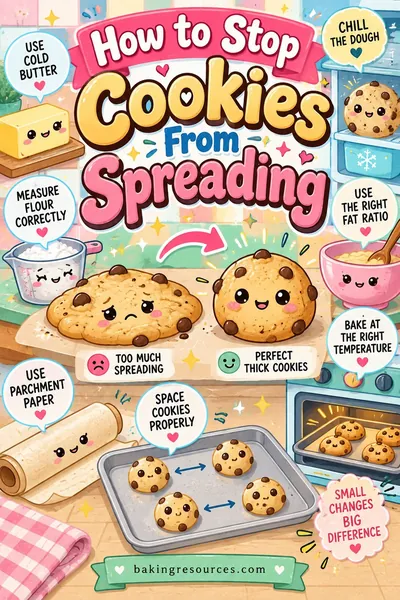 Baking guideHow to Stop Cookies From Spreading: 7 Dough LeversRead the step by step →
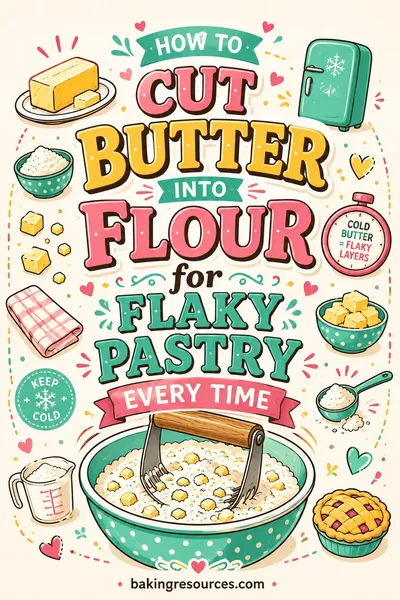 Baking guideHow to Cut Butter Into Flour for Flaky Pastry Every TimeSee how it's done →
Worked example: dairy-free Christmas sugar cookies
Say your cutout sugar cookie recipe uses 1 cup of unsalted butter, 1 cup of sugar, 1 egg and 3 cups of flour, and one guest can't have dairy.
- Pick the swap. Cutout cookies need a solid fat that creams well, so use 1 cup of plant-based butter sticks.
- Check the salt. Most plant butters are salted. If the recipe asks for 1/2 teaspoon of salt, cut it to 1/4 teaspoon.
- Cream as normal. Beat the plant butter and sugar for 3 to 4 minutes until light.
- Chill longer. Plant butter can be softer, so chill the dough at least 2 hours, then chill the cut shapes 10 minutes before baking.
- Bake and store. Bake as written. Once cool, the cookies freeze well. Our list of Christmas cookies that freeze well has wrapping tips for holiday trays.
 Baking guideChristmas Cookies That Freeze Well and How to Do ItSee how long it keeps →
Holiday baking with a butter swap
The holidays are when butter runs out fastest. At Thanksgiving, pie crusts and dinner rolls eat through it quickly. Shortening or lard makes a flaky crust, and stick margarine works in soft rolls. For pumpkin bread and cranberry muffins, oil at 3/4 cup is the easy fix and keeps them moist for days.
At Christmas, cookie trays are the big job. Margarine and plant butter sticks swap cup for cup in drop cookies, shortbread-style cookies are the hardest to switch because butter is the main flavor, and spritz cookies need a firm fat to hold their pressed shape. One thing has no substitute: brown butter. The toasty flavor comes from butter's own milk solids, so if a recipe starts with browning butter, there's no swap that gets you the same taste.
 Baking guideHow to Brown Butter (And the Water Loss Nobody Warns About)Show me how →
Mistakes to avoid
- Using tub spread or light margarine. Too much water. Cookies run flat and cakes turn gummy.
- Using oil in a creamed recipe. No trapped air means a dense cake.
- Using the full cup of oil or shortening. Pure fats need less. Too much gives greasy, heavy bakes.
- Forgetting salt. Many swaps are salted. If the recipe used unsalted butter, cut back the added salt; our guide to salted vs unsalted butter has the amounts.
- Swapping all the butter for applesauce. The bake turns rubbery. Keep at least half the fat.
- Working in a warm kitchen with coconut oil. Dough goes greasy and spreads. Chill it.
Questions people ask
What is the best butter substitute in baking?
For most recipes, stick margarine or plant-based butter sticks with about 80 percent fat are the best swap, used cup for cup. They cream, cut into flour and bake much like butter. For recipes that use melted butter, 3/4 cup of vegetable oil per cup of butter is easy and keeps cakes and muffins moist.
How much oil replaces 1 cup of butter?
Use 3/4 cup of a neutral oil, like canola or vegetable oil, for every 1 cup of butter. That is 3 tablespoons of oil for each 1/4 cup of butter. It works best in recipes that melt the butter, like brownies, muffins and quick breads. It does not work in recipes that cream butter and sugar.
Can I use shortening instead of butter in cookies?
Yes. Use 1 cup minus 2 tablespoons of shortening per cup of butter, and add 1 to 2 tablespoons of milk if the dough looks dry. Cookies will be taller, softer and paler, with less butter flavor. For a middle ground, use half butter and half shortening, which keeps some flavor and limits spread.
Can I replace all the butter with applesauce?
It is not a good idea. Applesauce has no fat, so a full swap makes muffins and breads rubbery and dense. Replace up to half the butter with the same amount of unsweetened applesauce instead. That keeps enough fat for a tender crumb. Applesauce swaps do not work in cookies, pie crust or creamed cakes.
Do I need to change the salt when I swap out butter?
Sometimes. Most margarine and plant butter sticks are salted, so if your recipe called for unsalted butter, cut the recipe's added salt by about half. Oil, shortening, lard and refined coconut oil have no salt, so if the recipe called for salted butter, add a pinch or two of extra salt.
What is the best dairy-free butter substitute for baking?
Plant-based butter sticks with about 80 percent fat are the closest, used cup for cup in cookies, cakes, frosting and crusts. Refined coconut oil works too, at 3/4 cup plus 1 tablespoon per cup of butter, but softens fast in a warm kitchen. Oil at 3/4 cup is the easiest dairy-free swap for melted-butter recipes.
Can I use a butter substitute in frosting?
Yes. Stick margarine and plant-based butter sticks work cup for cup in buttercream, though the frosting may be a little softer, so chill it briefly before piping. Shortening makes a stiffer, whiter frosting that holds up in a warm room but tastes plainer. Mixing half shortening with half plant butter gives a good balance of flavor and hold. Liquid oil will not whip into a fluffy frosting.