
Vegetable Oil Substitute in Baking: What to Use and How Much

The easiest vegetable oil substitute in baking is another neutral oil, like canola or sunflower, swapped 1 for 1. Melted butter also swaps 1 for 1 and adds a richer flavor, which is why it's a favorite in brownies and boxed cake mixes. If you want to use less oil, replace up to half of it with unsweetened applesauce or pumpkin puree.
Plain yogurt and mashed banana work too, especially in muffins and quick breads. Each swap changes the texture a little, so it helps to know which one fits your recipe. Pick how much oil your recipe calls for in the calculator below, and it shows you the exact amounts for every swap.
Free calculator
Vegetable oil substitute calculator
Pick how much vegetable oil your recipe needs, then tap a swap to see exactly what to use.
More free baking tools



What vegetable oil does in baking
Oil is pure fat, and in a batter it has one main job: keeping things moist and tender. Fat coats the flour, which slows down gluten, the stretchy protein that makes bread chewy. Less gluten means a softer, more tender crumb. And because oil stays liquid at room temperature, oil cakes and muffins feel moist even the next day.
That's the key thing to keep in mind when you swap. A good substitute either brings the same fat (other oils, melted butter) or brings moisture in another way (fruit purees, yogurt). Fats give the closest result. Purees and yogurt cut the fat but change the texture, so they work best as partial swaps. If you're curious about the bigger picture, our page on butter vs oil in baking compares the two fats side by side.
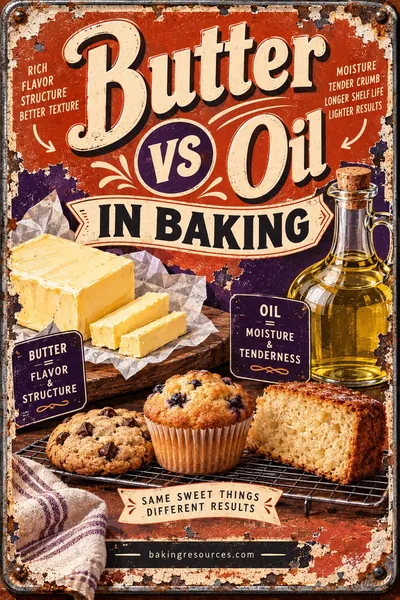 Baking guideButter vs Oil in Baking: How to Swap Them CorrectlyLearn more →
Vegetable oil substitute chart
Every amount below replaces 1 cup of vegetable oil. For other amounts, use the calculator above. Remember that 1/4 cup is 4 tablespoons.
| Substitute | For 1 cup oil | Texture | Best for |
|---|---|---|---|
| Canola, sunflower, safflower, grapeseed, or corn oil | 1 cup | Same as vegetable oil | Everything |
| Melted butter | 1 cup, cooled slightly | Richer, a bit firmer | Brownies, boxed mixes, blondies |
| Melted refined coconut oil | 1 cup | Very close to oil, firmer when cold | Cakes, muffins, dairy-free bakes |
| Light olive oil | 1 cup | Same as vegetable oil | Cakes, muffins, quick breads |
| Unsweetened applesauce | 1/2 cup applesauce + 1/2 cup oil | Softer, a bit denser | Spice cakes, muffins, quick breads |
| Plain yogurt or sour cream | 3/4 cup | Tender, slightly tangy | Muffins, coffee cakes, quick breads |
| Mashed ripe banana | 3/4 cup banana + 1/4 cup oil | Moist, dense, banana flavor | Banana bread, muffins, oat bars |
| Pumpkin puree | 1/2 cup pumpkin + 1/2 cup oil | Moist, soft, a bit denser | Spice cakes, pumpkin bread, chocolate cake |
The fat swaps: closest to the real thing
Other neutral oils
"Vegetable oil" on a label is usually soybean oil or a blend. Canola, sunflower, safflower, grapeseed, corn, and refined avocado oil all taste mild and behave the same in a batter. Swap any of them 1 for 1, and no one will notice a difference.
Melted butter
Melted butter swaps 1 for 1 by volume. It's about 80 percent fat, with the rest mostly water and milk solids, so it adds a buttery flavor and helps browning. The trade-off is a slightly less moist cake, since butter firms up as it cools while oil stays liquid. Let the butter cool for a few minutes after melting so it doesn't scramble the eggs. If your recipe calls for salted vs unsalted, our page on salted vs unsalted butter explains when it matters, and for an extra nutty flavor you can brown the butter first.
 Baking guideSalted vs Unsalted Butter: How to Swap in Any RecipeRead it next →
 Baking guideHow to Brown Butter (And the Water Loss Nobody Warns About)Read the step by step →
Measuring butter for an oil swap is easy once you know the sticks. One stick of butter is 1/2 cup, or 8 tablespoons, and it melts down to about the same volume. So 1/3 cup of oil becomes about 5 1/3 tablespoons of melted butter, and 1 cup of oil takes 2 sticks. Some bakers like to add an extra tablespoon or two of butter per cup to make up for its water, but a straight 1 for 1 swap works well in almost every recipe. Our butter converter handles sticks, cups, tablespoons, and grams if your butter is labeled differently.
 Free toolButter Converter: Sticks, Cups, Tablespoons, GramsConvert it now →
Coconut oil
Refined coconut oil has no coconut taste and swaps 1 for 1 once melted. Unrefined, or virgin, coconut oil tastes like coconut, which is lovely in some cakes and odd in others. Coconut oil turns solid below about 76°F, so cold eggs or milk can make it seize into little lumps. Bring the other ingredients to room temperature first. Our page on why room temperature ingredients matter explains the rest.
 Baking guideWhy Recipes Call for Room-Temperature IngredientsSee what went wrong →
Olive oil
Light olive oil is filtered to taste mild, and it works just like vegetable oil. Extra-virgin olive oil has a fruity, peppery taste that's great in citrus, chocolate, and olive oil cakes, but it can stand out in a plain vanilla cake.
The lighter swaps: purees and yogurt
Fruit purees and yogurt replace some of the oil's moisture without the fat. They're popular for lighter muffins and quick breads, but they don't act exactly like oil. Without fat to slow gluten, the crumb gets denser and a bit chewier, and too much puree makes things gummy.
That's why half is the safe line for applesauce and pumpkin. Keep at least half the oil, and you'll get a moist, tender result that's hard to tell from the original. Banana is a little more forgiving because it's thick and sweet, so 3/4 banana and 1/4 oil works well in recipes where banana flavor is welcome. Yogurt has some fat of its own, especially whole-milk yogurt, so 3/4 cup of yogurt can stand in for a full cup of oil.
A few tips for puree swaps:
- Use unsweetened applesauce and plain pumpkin puree, not pumpkin pie filling, which has sugar and spices in it.
- Mix gently. Purees don't protect against gluten the way oil does, so overmixing gives tough, tunnel-filled muffins.
- Expect a slightly shorter shelf life. Fruit swaps can make bakes go soft or moldy a day or so sooner.
If you also use applesauce in place of eggs sometimes, don't do both in the same recipe. Our page on applesauce as an egg substitute explains why that combo gets heavy.
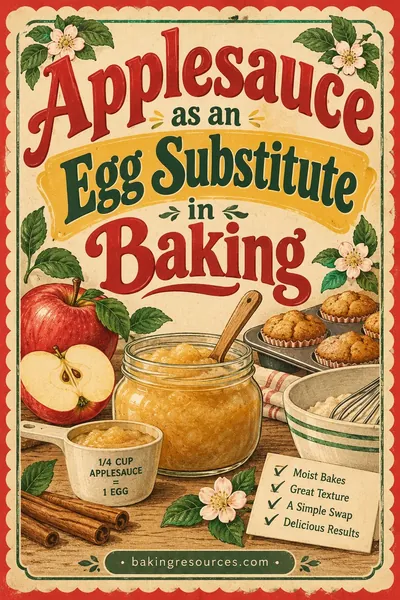 Baking guideApplesauce as an Egg Substitute in Baking: Ratios That WorkGet the swap chart →
Notes for brownies, cake, and muffins
| What you're baking | Best swap | Works okay | Avoid |
|---|---|---|---|
| Brownies (boxed or homemade) | Melted butter | Coconut oil, other oils | Applesauce and yogurt, which make them cakey |
| Boxed cake mix | Melted butter or another oil | Half applesauce | Full fruit puree swap |
| Layer cake from scratch | Another neutral oil | Melted butter, half yogurt | Full puree swap |
| Muffins | Another oil or yogurt | Banana, half applesauce | Nothing, really; muffins are forgiving |
| Quick breads | Another oil | Banana, pumpkin, yogurt | Too much puree, which turns the center gummy |
| Carrot or spice cake | Another oil | Half applesauce or pumpkin | Extra-virgin olive oil if you want a classic taste |
Brownies deserve a special note. Applesauce and yogurt add water and cut the fat, which pushes brownies toward cake. If yours already turn out more like cake than fudge, read why brownies come out cakey.
 Baking guideWhy Are My Brownies Cakey? Fix the Ratio, Get FudgyFind out why →
Worked example: boxed brownie mix with no oil
Say your brownie mix asks for 1/2 cup of vegetable oil, 1/4 cup of water, and 2 eggs, and your oil bottle is empty.
- Pick the swap. Melted butter is the best choice for brownies. You'll use 1/2 cup, which is 1 stick.
- Melt and cool. Melt the butter, then let it sit for about 5 minutes so it's warm, not hot.
- Mix as usual. Stir in the water and eggs exactly as the box says. Stop as soon as no dry mix shows.
- Bake as usual. Use the same pan and temperature. Start checking 2 to 3 minutes early, since butter browns a little faster.
The result is richer and a little chewier than the oil version, and many people like it better. For a cake mix, the same 1 for 1 butter swap works, and our guide on how many cake mixes per pan size helps if you're scaling up.
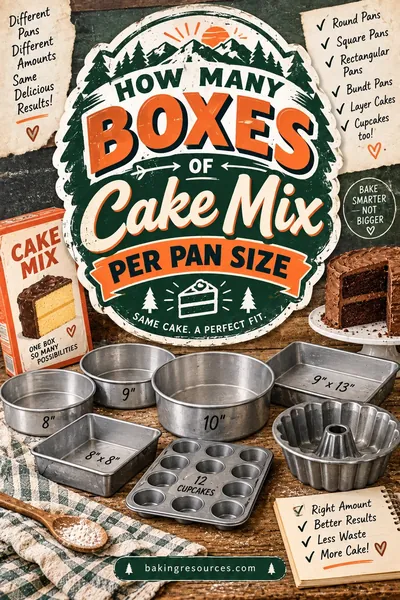 Baking guideHow Many Boxes of Cake Mix per Pan Size: Full ChartGet the measurements →
Mistakes to avoid
Replacing all the oil with fruit
A full applesauce or pumpkin swap often gives a gummy, rubbery crumb, especially in cakes. Stay at half unless the recipe was written for it.
Using hot butter
Hot melted butter can start to cook the eggs and melt chocolate chips. Let it cool for a few minutes first.
Forgetting coconut oil firms up
Cold ingredients make melted coconut oil clump. Warm the milk and eggs to room temperature, or quickly stir the batter over a bowl of warm water.
Swapping in shortening or solid fat straight
Solid fats like shortening or cold butter don't mix into an oil batter the same way. Always melt them first.
Overmixing low-fat batters
With less fat, gluten forms faster. If your swap leaves you with dry, tough muffins, gentle mixing is the first fix to try.
 Baking guideWhy Are My Muffins Dry? 6 Causes and the Fix for EachFix it next time →
Dairy-free and allergy-friendly options
If you're baking dairy-free, skip butter and yogurt. Every oil on this page is dairy-free, and so are applesauce, banana, and pumpkin. Plant-based yogurt works in place of regular yogurt at the same 3/4 cup per cup of oil. For the rest of the recipe, our page on dairy-free baking substitutions has swaps for milk, butter, and cream.
 Baking guideDairy Free Baking Substitutions: Milk, Butter, CreamPick a substitute →
Some guests avoid certain oils, like corn or soy. Sunflower, safflower, and canola oil are good, mild options. Coconut oil is usually fine too, but ask, since some people with tree nut allergies avoid it.
Holiday baking swaps
Fall and winter baking leans on oil: pumpkin bread, carrot cake, gingerbread, spice cakes, and sheet-pan brownies for a crowd. It's also the time of year when the oil bottle runs dry halfway through a big baking day.
Pumpkin is the natural swap for Thanksgiving baking. Use half pumpkin puree and half oil in spice cakes and muffins for extra moisture and a pretty orange color. For Christmas brownies and blondies, melted butter gives a richer flavor that fits the season. And if you're baking ahead, oil-based and butter-based cakes both freeze well for up to 3 months when wrapped tightly. Fruit puree versions are best eaten within 2 to 3 days or frozen right away, since the extra moisture shortens their counter life. Our page on how to store baked goods covers the rest.
Questions people ask
What is the best vegetable oil substitute in baking?
Another neutral oil is the closest swap. Canola, sunflower, safflower, grapeseed, and corn oil all replace vegetable oil 1 for 1 with no change in taste or texture. Melted butter also swaps 1 for 1 and adds a richer flavor, though the crumb comes out a little firmer and less moist.
Can I use butter instead of vegetable oil?
Yes. Use the same amount of melted butter as oil, and let it cool for a few minutes before mixing it in. Butter adds more flavor and helps browning. The result is slightly less moist than an oil cake, because butter firms up as it cools. It's an especially good swap in brownies and boxed mixes.
How much applesauce replaces oil?
Replace up to half the oil with unsweetened applesauce. For 1 cup of oil, use 1/2 cup of applesauce and 1/2 cup of oil. You can swap all of it, but a full swap often makes cakes and muffins gummy and dense. Mix gently, since less fat means gluten forms faster.
Can I use olive oil instead of vegetable oil in baking?
Yes, 1 for 1. Light olive oil tastes mild and works just like vegetable oil. Extra-virgin olive oil adds a fruity, peppery flavor that's great in citrus and chocolate cakes but can stand out in plain vanilla cakes. Both give the same moist, tender crumb as vegetable oil.
What can I use instead of oil in brownies?
Melted butter is the best swap in brownies, used 1 for 1. It makes them richer and a little chewier. Melted coconut oil and other neutral oils also work. Avoid applesauce and yogurt in brownies, since they add water and cut fat, which turns brownies cakey.
Can I use yogurt instead of oil?
Yes. Use 3/4 cup of plain whole-milk yogurt or sour cream for each cup of oil. It makes muffins and quick breads tender with a light tang. Avoid flavored yogurt, which adds sugar. For dairy-free baking, plain plant-based yogurt works the same way.