How to Keep Buttercream from Melting at Outdoor Parties

The best way for how to keep buttercream from melting outdoors is to use a sturdier frosting (part shortening, or a meringue-based buttercream), chill the finished cake until firm, carry it in a cooled car, keep it in the shade on a cold base, and bring it out as close to serving time as you can. Even a perfect recipe will soften in direct sun, so timing and shade matter just as much as the frosting itself.
Summer is full of cake moments: graduation open houses, backyard birthdays, Fourth of July cookouts, family reunions and picnics in the park. They are also when buttercream is most likely to slump, slide, weep or melt into a puddle on the cake board.
This guide is a complete hot-weather plan. It covers which frostings hold up best, recipe tweaks, how to build and chill the cake, how to transport it, how to set up the serving table, how long a frosted cake can sit outside, and what to do if your frosting starts to soften mid-party.
Quick Plan: Outdoor Cake Checklist
| Stage | What to do |
|---|---|
| Choose the frosting | Use a heat-tolerant buttercream or a part-shortening recipe |
| Choose the design | Simple finishes, fewer tall piped details, sturdy layers |
| Build the cake | Thin filling layers, dowels for tall cakes, firm crumb coat |
| Chill | Refrigerate until the frosting is firm all the way through |
| Transport | Pre-cool the car, flat surface, cake box, cooler if small enough |
| Set up | Full shade, cold base, away from grills and sunny tables |
| Serve | Bring out shortly before cutting; slice and serve promptly |
| Leftovers | Back in the fridge as soon as serving is done |
Why Buttercream Melts
Buttercream is mostly fat and sugar. American buttercream is butter beaten with powdered sugar, and meringue-based styles add whipped egg whites and sugar syrup. Butter is solid when cold, soft at room temperature, and starts turning greasy and liquid as it warms past a comfortable room temperature. On a hot day, especially in direct sun, a butter-only frosting can go from firm to soft to sliding in a short time.
Heat is not the only problem. Humidity makes sugar pull in moisture from the air, which can make frosting sticky, weepy or shiny. Sun adds radiant heat on top of air temperature, so a cake in direct sunlight warms up much faster than one in the shade at the same air temperature. If you often bake in muggy weather, the baking in humid weather guide explains how moisture affects doughs and sugar work, too.
Which Frosting Holds Up Best in Heat
Some frostings are naturally more stable than others. Here is how the common types compare outdoors.
| Frosting | Heat tolerance | Notes |
|---|---|---|
| All-butter American buttercream | Low to moderate | Softens quickly in heat; great flavor |
| Half-butter, half-shortening buttercream | Good | Popular compromise; holds piping better |
| All-shortening buttercream | Very good | Most stable, but less buttery flavor |
| Swiss meringue buttercream | Moderate | Silky; softens but less greasy than American |
| Italian meringue buttercream | Moderate to good | Hot sugar syrup makes it a little sturdier |
| Ganache (firm ratio) | Good when set | Very stable when made with more chocolate |
| Cream cheese frosting | Low | Softens fast; perishable, keep cold |
| Whipped cream frosting | Very low | Not suitable for outdoor heat |
| Fondant over buttercream | Good outer shell | Protects frosting underneath, but can sweat in humidity |
The half-and-half buttercream
Replacing part of the butter with solid vegetable shortening is the most common bakery trick for hot weather. Shortening stays solid at warmer temperatures than butter, so the frosting holds its shape longer. Half butter and half shortening keeps most of the buttery flavor while noticeably improving stability. For very hot days, some bakers go further toward shortening.
To make it taste less flat, add a little extra vanilla, a pinch of salt and a touch of butter flavoring if you like.
Meringue buttercreams
Swiss and Italian meringue buttercreams are less sweet and very smooth. They use whipped egg whites and sugar, which gives them a different structure from American buttercream. They still contain a lot of butter, so they soften in heat, but they tend to hold a smooth finish well when chilled before the party. The how to make buttercream guide walks through the main styles if you want to try one.
Ganache
A firm chocolate ganache, made with more chocolate than cream, sets up solid and handles warm weather better than most buttercreams. It is a great choice for drip effects, coatings, and filling between layers. The ganache ratio guide shows which ratios set firm and which stay soft.
Frostings to skip for outdoor parties
Whipped cream frosting and cream cheese frosting are not good choices for a hot outdoor table. Both soften quickly, and both contain dairy that should stay cold. If the guest of honor loves cream cheese frosting, consider using it only as a thin filling inside a cake frosted with a sturdier buttercream, and keep the cake cold until serving.
How to Keep Buttercream from Melting: Recipe Tweaks
You do not need a whole new recipe to learn how to keep buttercream from melting. Small changes make a big difference.
- Swap part of the butter for shortening. Start with a quarter or half.
- Use less liquid. Milk or cream thins buttercream. Add just enough to make it spreadable, and make it slightly stiffer than usual for hot days.
- Add a little more powdered sugar. A firmer frosting holds its shape longer.
- Add meringue powder. A tablespoon or two in American buttercream can help it crust and set a little firmer.
- Avoid adding juice or syrups to the outer frosting. Use flavor extracts instead; save juicy flavors for fillings.
- Beat it well. Properly creamed, smooth buttercream holds together better than a loose or greasy batch.
If your frosting already comes out thin before the party even starts, the why is my frosting runny guide covers common causes and quick fixes.
Build the Cake for Heat
How you put the cake together matters as much as what is on the outside.
Keep the design simple
Tall rosettes, delicate borders and big piped flowers have lots of surface area and thin edges, so they soften first. Smooth sides, simple shell borders, rustic swoops and textured finishes hold up better. Sprinkles, fresh fruit (added at the last minute), and chocolate decorations are reliable outdoor choices.
Choose sturdy layers
Firm butter cakes and chocolate cakes support frosting better in warm weather than very soft or very light cakes. Avoid overly wet fillings that can soak through and make layers slide.
Use thin fillings and a dam
Thick layers of soft filling act like ball bearings in the heat. Keep fillings thin, and pipe a ring of stiff buttercream around the edge of each layer (a frosting dam) before adding softer fillings like curd or jam.
Support tall cakes
For cakes with three or more layers, or any stacked tiers, insert dowels or straws for support. A single long dowel through the center of a tall cake helps keep the layers from shifting.
Crumb coat and chill between steps
Apply a thin crumb coat, chill until firm, then add the final coat and chill again. Each chill sets the frosting harder, which buys you time outside. The how to frost a cake guide goes through the crumb coat and final coat step by step.
Plan the right amount of frosting
Make a little extra frosting so you have enough for a firm, even outer coat plus touch-ups. The frosting calculator works out how much to make for your pan size and number of layers.
Chill the Cake Before It Goes Out
A cold cake starts its time outside with a head start. Of all the steps in how to keep buttercream from melting, a long, thorough chill is the easiest and the one people skip most often.
- Refrigerate the finished cake for several hours, or overnight, so the frosting is firm all the way through.
- Keep it covered or boxed in the fridge so it does not pick up other food smells.
- Leave it in the fridge until you leave home. Do not take it out early to "warm up."
- Watch for condensation. A very cold cake can form beads of moisture when it meets warm, humid air. Leaving it in the box as it adjusts helps, and the moisture usually dries on its own. Do not wipe it.
Some bakers freeze a cake briefly before a long trip to make it extra firm. If you do, leave it in the freezer only long enough to firm the outside, and allow time for the inside to soften before serving.
How to Transport a Cake in Hot Weather
The car ride can be the riskiest part of the day.
- Pre-cool the car. Run the air conditioning for several minutes before the cake goes in.
- Put it on a flat floor surface, not on a sloped seat. A non-slip mat underneath keeps it from sliding.
- Use a sturdy cake box. It shields the cake from sun through the windows.
- Keep it out of direct sun. Block windows if the sun is beating in.
- Use a cooler for small cakes. A cooler with ice packs (separated from the cake box by a towel or rack) works well for cupcakes and small cakes.
- Drive smoothly and go straight there. Never leave a cake in a parked car on a warm day, even for a few minutes.
Set Up a Cool Serving Spot
Once you arrive, where the cake sits makes a big difference.
Pick the right spot
- Full shade. Under a tree, a patio umbrella, a pop-up canopy, a porch roof, or indoors near a window.
- Away from heat. Keep it well away from the grill, fire pits, and food warmers.
- Off hot surfaces. Dark tablecloths and metal tables in the sun absorb heat. Use a light cloth.
Keep the base cold
- Place frozen ice packs or a sheet pan of ice under a sturdy cake board or a cake stand with a flat base.
- A chilled marble or ceramic tile under the cake board helps, too.
- Do not let melting ice touch the cake or soak the board.
Use covers
A cake dome or a mesh food cover keeps away bugs and blocks some sun. Avoid tight plastic coverings that can trap heat and moisture.
Cupcakes and dessert tables
Cupcakes are great for outdoor parties because each one is small and easy to keep cold. Keep most of them in a cooler, and put out a tray at a time.
How Long Can a Frosted Cake Sit Outside?
There is no single answer, because it depends on the frosting, the temperature, the sun and the humidity. Use these as practical guides, and watch the cake rather than the clock.
| Conditions | Butter buttercream | Half-shortening buttercream |
|---|---|---|
| Indoors, air-conditioned | Several hours | Several hours |
| Outdoors, mild and shaded | A few hours, watch closely | Several hours |
| Outdoors, warm and shaded | Short window; serve soon | Longer, but still serve soon |
| Outdoors, hot or in direct sun | Very short; soften quickly | Short; avoid direct sun |
Food safety with dairy frostings
Plain American buttercream made with butter and powdered sugar is relatively stable, but cakes with cream cheese frosting, whipped cream, custard fillings or fresh fruit are perishable and need to stay cold. As a general food safety guideline, perishable foods should not sit out for more than about two hours, and for less time when it is very hot outside. When in doubt, check current food safety guidance from your local health authority and keep the cake refrigerated until shortly before serving.
Signs the frosting is getting too warm
- The surface turns shiny or greasy.
- Piped details lose their sharp edges.
- Frosting starts to bulge or slide at the bottom.
- The cake layers lean or shift.
When you see the first of these, it is time to cut and serve, or move the cake back into the cold.
Serving Strategy for Outdoor Parties
- Bring it out late. Keep the cake in the fridge, a cooler or the coolest indoor room until about 15 to 30 minutes before you plan to cut it.
- Do the photos quickly. Plan candles, singing and pictures so the cake is out for the shortest possible time.
- Cut indoors if possible. Slice in the kitchen and carry plates out.
- Have a backup. A sheet cake or cupcakes kept in the fridge can replace the display cake if it softens.
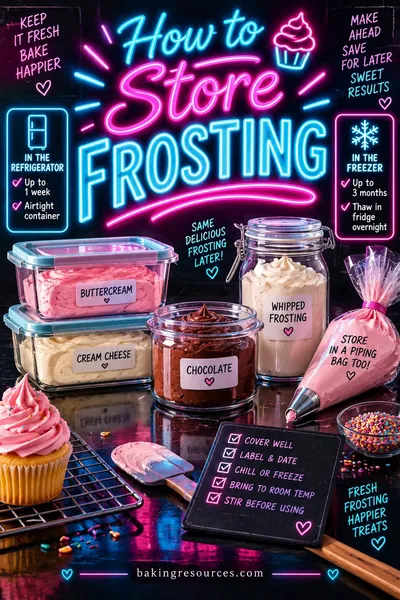
- Put leftovers away promptly. Return any uneaten cake to the fridge as soon as serving is finished. The how to store frosting guide covers storing leftover frosting and frosted cakes.
What to Do If Buttercream Starts Melting
- Move it into shade or indoors right away.
- Chill it. Even 15 to 20 minutes in the fridge or a cooler can firm the surface again.
- Don't touch the soft frosting. Smoothing warm buttercream makes it worse. Let it firm first.
- Fix after chilling. Once firm, use a little extra buttercream to patch borders or smooth a slumped side.
- Cut and serve. If the party is ready, slicing and serving is often the best way to stop the damage.
Common Mistakes to Avoid
Using an all-butter frosting with tall piping for a sunny party. Pick a sturdier frosting or a simpler design.
Taking the cake out too early. Every minute in the heat counts. Keep it cold until close to serving.
Setting the cake in the sun "just for a moment." Direct sun softens frosting fast.
Leaving it in a parked car. Car interiors heat up quickly. Go straight from the car to shade.
Using thick soft fillings. They make layers slide in the heat.
Skipping the chill between coats. Each chill helps the frosting set firmer.
Choosing whipped cream or cream cheese frosting for a hot outdoor display. Save those for indoor or cooler events.
FAQ
What is the most reliable way for how to keep buttercream from melting?
Use a frosting with some shortening in it, chill the finished cake until fully firm, keep it in the shade on a cold base, and bring it out as close to serving time as possible.
Does adding shortening to buttercream really help in heat?
Yes. Shortening stays solid at warmer temperatures than butter, so a half-butter, half-shortening buttercream holds its shape longer outdoors while keeping much of the buttery flavor.
Is Swiss meringue buttercream good for hot weather?
It is silky and holds a smooth finish when well chilled, but it is still mostly butter and will soften in heat. Keep it cold until serving and keep it in the shade.
Can I leave a buttercream cake out overnight?
A cake with plain butter and powdered sugar buttercream is usually fine at cool room temperature indoors for a day, but in warm weather it is safer in the fridge. Cakes with cream cheese frosting, whipped cream or fresh fruit fillings should always be refrigerated.
How do I keep cupcakes from melting at a picnic?
Keep them in a cooler with ice packs separated by a towel or rack, and set out a small tray at a time in the shade.
Should I put a cake on ice at an outdoor party?
A cold base helps. Place ice packs or a pan of ice under a sturdy cake board or flat cake stand, and make sure melting ice cannot reach the cake.
Will fondant protect buttercream from melting?
Fondant acts like a shell and protects the frosting underneath from direct contact with air, but it can sweat in humidity and the buttercream inside can still soften in strong heat. Shade and cold still matter.
For a quick answer you can use right now, check our shortening substitute guide and its free tool.