
Can You Freeze Pumpkin Pie? How to Wrap, Thaw and Serve It

Yes, you can freeze pumpkin pie, and a baked pie keeps its best quality for about 1 month in a 0°F freezer. Cool it, chill it, freeze it unwrapped until firm, then wrap it tightly in plastic and foil. Because pumpkin pie is a custard made with eggs and milk, it must thaw in the fridge, never on the counter: about 12 hours for a whole pie and 3 to 4 hours for a slice.
Freezing works best with a baked pie, not a raw one, and a few small changes on baking day make the crust hold up much better. Pick whole pie or slices and how you plan to serve it in the calculator below, and it gives you the exact thaw time, the oven setting if you want it warm, and the safety check for your table.
Free calculator
Frozen pumpkin pie thaw planner
Pick whether you froze a whole pie or slices and how you will serve it to see the thaw time and the safety check.
More free baking tools



Pumpkin pie freezer times at a glance
All of these assume a freezer at 0°F or colder and a pie wrapped airtight. Frozen solid, pumpkin pie stays safe much longer, so these are best-quality times, not safety limits. General freezer guidance gives custard pies 1 to 2 months; the first month is when the filling stays silkiest and the crust holds up best, so that is the target here.
| What you freeze | Best quality in the freezer | How to thaw | Notes |
|---|---|---|---|
| Whole baked pumpkin pie | About 1 month | Fridge, at least 12 hours | Freeze it uncovered first, then wrap |
| Baked slices | About 1 month | Fridge, 3 to 4 hours | Wrap each slice on its own |
| Unbaked pie shell, crust only | Up to 3 months | No thaw; fill and bake from frozen | Best make-ahead step for crisp crust |
| Leftover canned pumpkin puree | Up to 3 months | Fridge overnight | Stir well after thawing; it may separate |
| Unbaked filled pie | Not recommended | The crust turns soggy and the filling bakes unevenly | |
| Pie topped with whipped cream | Not recommended | Freeze the pie plain; add cream after thawing |
If what you really need is the fridge and counter rules for a pie you will eat this week, our guide on how long pumpkin pie lasts covers those. This page is about getting a pie into the freezer and back out in good shape.
 Baking guideHow Long Does Pumpkin Pie Last? Counter, Fridge and FreezerGet the storage times →
What freezing does to pumpkin pie
Pumpkin pie is a baked custard. The eggs set around the pumpkin, sugar and milk into a smooth, sliceable gel. Water is held inside that gel, and freezing turns some of it into ice crystals. When they melt, a little of that water does not go back where it came from. That is why a thawed pumpkin pie can show a few beads of moisture on top or feel just slightly softer than a fresh one.
The good news is that pumpkin pie is one of the best custard pies for freezing. The pumpkin puree is thick and full of fiber, and it holds on to water much better than a thin custard like a plain egg custard pie. Most people cannot tell a well-frozen pumpkin pie from a fresh one, especially once it has been chilled and served with whipped cream.
Speed helps. The faster a custard freezes, the smaller its ice crystals, and small crystals do less damage to the gel. That is why this guide has you chill the pie fully in the fridge first and then freeze it uncovered on a flat shelf toward the back of the freezer, where the air is coldest and most steady. A warm pie wrapped and shoved into a crowded freezer door freezes slowly and comes out weepier.
The crust is the weaker part. It sits under a wet filling, and the freezer gives that moisture extra time to move into the pastry. A crust that was a little pale or underbaked going in comes out soft. The fixes in the next section deal with that.
Bake for the freezer: small changes that help
If you know a pie is headed for the freezer, a few choices on baking day make a real difference.
- Bake the crust well. Partly blind baking the shell before filling it gives the bottom a head start and keeps it from going soggy in the freezer. Our guide on blind baking a pie crust walks through it.
- Bake the filling to the right point. Take the pie out when the center reaches about 175°F and the middle 2 inches still wobble slightly. Underbaked filling weeps more after thawing; overbaked filling cracks and turns grainy. See how to tell when pumpkin pie is done for the signs.
- Use a metal or disposable aluminum pie pan. Metal goes from freezer to fridge to oven without any risk. Glass and ceramic can crack from a sudden temperature change, so if you use them, never move them straight from the freezer into a hot oven.
- Skip the toppings. Whipped cream, candied pecans, and meringue all freeze badly. Add them after thawing.
- Bake a standard pie, not a deep-dish one, if you can. A thinner pie freezes and thaws faster and more evenly. The pie pan size guide lists depths and capacities.
 Baking guideHow to Blind Bake a Pie Crust Without a Soggy BottomRead the step by step →
 Baking guideHow to Tell When Pumpkin Pie Is Done: 175°F and the WobbleCheck if it's done →
Any good pumpkin pie recipe freezes well. Ours, the classic pumpkin pie recipe, uses evaporated milk, which sets firmly and holds up nicely in the freezer.
 Baking guidePumpkin Pie Recipe: Classic, Silky and Crack-FreeTake a look →
How to cool, chill and wrap a pumpkin pie
This order matters. Each step protects either the safety of the pie or the texture of the crust.
- Cool on a rack, up to 2 hours. Most pies are cool to the touch in 1 1/2 to 2 hours. Do not leave it out longer than 2 hours after it comes out of the oven.
- Chill in the fridge, uncovered, for at least 4 hours. A cold pie freezes faster, and faster freezing means smaller ice crystals and a smoother filling. Leaving it uncovered lets the surface dry slightly so it does not stick to the wrap.
- Freeze it uncovered for 1 to 2 hours, until the filling feels firm to a light touch. This is called flash freezing. It keeps the plastic from sticking to the filling and pulling off the top layer later.
- Wrap it tightly in two layers of plastic wrap, pressing it against the surface and around the pan with no air pockets.
- Add a layer of heavy-duty foil, or slide the whole thing into a large freezer bag. This outer layer blocks freezer odors and stops freezer burn.
- Label it with the date and "thaw in fridge." It is easy to forget which pie is which in a packed holiday freezer.
- Freeze it flat, on a shelf where nothing heavy will sit on top until it is solid.
Freezing pumpkin pie slices
Slices are the smart choice for leftovers. They thaw in a few hours instead of overnight, and you only take out what you will eat.
- Chill the pie in the fridge until it is cold all the way through. Cold pie slices more cleanly.
- Cut with a sharp knife, wiping it clean between cuts.
- Set the slices on a parchment-lined tray and freeze them uncovered for about 1 hour, until firm.
- Wrap each slice in plastic wrap, pressing it against the cut sides, which dry out first.
- Put the wrapped slices in a freezer bag or a rigid container, press out the air, and label it.
Freeze leftover slices within a day or two of baking, not at the end of their fridge life. A pie that has already spent 3 days in the fridge has used up most of its quality and some of its safety margin. The freezer pauses it where it is; it does not reset the clock.
Why not freeze an unbaked pumpkin pie?
It sounds like the ideal make-ahead plan: assemble the pie, freeze it raw, bake it on the day. For fruit pies, that works. For pumpkin pie, it usually does not, for three reasons.
- The crust soaks up the liquid filling. Raw pumpkin filling is thin and wet. Poured into a raw crust and frozen, it soaks into the pastry as it freezes and again as it bakes, and the bottom comes out pale and soggy.
- The filling bakes unevenly. A frozen block of custard takes much longer to heat in the middle, so the edges overbake and crack while the center catches up.
- Raw eggs in the filling. Raw filling has to stay cold the whole time, and a long, slow bake from frozen spends more time in the temperature range where bacteria grow.
What to freeze instead
Freeze the parts, not the pie. The crust is the slow step, so freeze the shell, either as a disc of dough or rolled out and crimped in a metal pie pan. Shells keep for up to 3 months. On baking day, fill the frozen shell and bake as usual: 15 minutes at 425°F, then 350°F until the center reaches about 175°F, adding about 5 minutes for the frozen crust. Our guide on freezing pie dough covers discs and shells in detail.
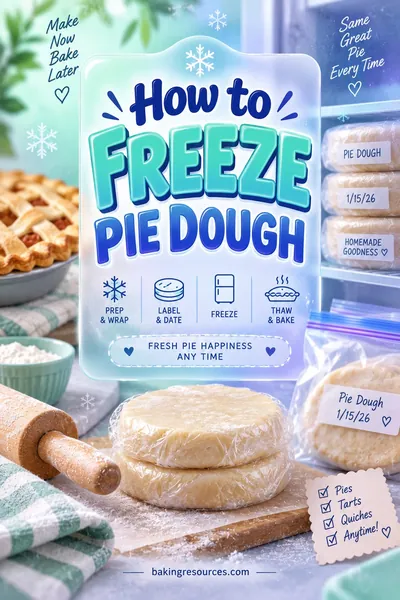 Baking guideHow to Freeze Pie Dough: Discs, Shells, and ThawingGet the proofing tips →
You can also freeze leftover pumpkin puree. If a recipe used only part of a can, put the rest in a labeled container and freeze it for up to 3 months. A standard 15 ounce can holds a little under 2 cups; how much puree is in a can has the exact amounts by can size.
 Baking guideHow Many Cups of Pumpkin Puree in a Can? Sizes and GramsLearn more →
Mini pies, pie bars, crustless and dairy-free versions
Not every pumpkin pie is a 9 inch round. The variations freeze too, with a few changes to timing.
Mini pumpkin pies and tartlets
Minis baked in a muffin pan or small tart pans freeze very well and thaw fast: about 2 to 3 hours in the fridge. Chill them, flash freeze them on a tray, then pack them in a single layer in a rigid container so the crimped edges do not break. Their small size and high crust-to-filling ratio means the crust stays crisper than a full pie's.
Pumpkin pie bars
Bars baked on a shortbread or graham cracker base in a 9x13 pan freeze well for about 1 month. Freeze the slab uncut if you can, wrapped in plastic and foil, and cut it while it is still slightly frozen for the cleanest edges. Thaw the whole slab in the fridge overnight, or individual bars for 2 to 3 hours.
Crustless pumpkin pie
With no crust to go soggy, a crustless pumpkin custard freezes about as well as the filling of a regular pie. The same 1 month window and fridge-only thaw apply.
Dairy-free pumpkin pie
Pies made with coconut milk or another plant milk instead of evaporated milk still contain eggs, so the safety rules do not change: thaw in the fridge, 2 hours max at room temperature. Coconut milk fillings can freeze a little firmer and weep slightly more. Swaps that set well are covered in our guide to dairy-free baking substitutions.
 Baking guideDairy Free Baking Substitutions: Milk, Butter, CreamPick a substitute →
How to thaw pumpkin pie safely
There is only one right place to thaw pumpkin pie: the fridge. The filling is a custard made with eggs and milk. On the counter, the outside of the pie would sit in the temperature range where bacteria grow fastest, 40°F to 140°F, for hours before the center thawed. Mainstream food-safety guidance says perishable food should not spend more than 2 hours in that range, or 1 hour above 90°F.
| What you are thawing | Where | Time | After thawing, eat within |
|---|---|---|---|
| Whole 9 inch pie | Fridge, still wrapped | At least 12 hours, or overnight | 2 days |
| Whole deep-dish pie | Fridge, still wrapped | 18 to 24 hours | 2 days |
| Single slices | Fridge, still wrapped | 3 to 4 hours | 1 to 2 days |
| Any pie, on the counter | Never |
Keep the pie wrapped while it thaws. As it warms, moisture from the fridge air condenses on the cold wrap. If the pie were bare, that water would land on the filling and the crust. Once thawed, unwrap it and gently blot any beads of liquid on top with a paper towel.
Plan the thaw from the day you need the pie. Thawed pumpkin pie keeps another day or two in the fridge, but not the full 3 to 4 days of a freshly baked pie, because it already spent some of its life in the fridge before freezing. Do not refreeze it.
How to serve a thawed pumpkin pie, cold or warm
Most people serve pumpkin pie cold or cool, straight from the fridge. A thawed pie is ready to serve as soon as it is fully thawed: slide a thin knife into the center, and if it meets no icy resistance, it is done.
To warm it or re-crisp the crust
If the crust feels soft after thawing, or you just like it warm, unwrap the pie, cover the crust edge with a ring of foil, and warm it at 325°F for 10 to 15 minutes. Slices need 8 to 10 minutes on a small sheet pan. The goal is a crisper crust and a filling that is no longer fridge-cold, not a hot pie. Much more heat and the filling can start to crack or weep.
If the pie is in a glass or ceramic dish, let it sit out of the fridge for about 15 minutes before it goes into the oven, so the dish does not crack from the sudden heat. That counts toward the 2 hour limit.
Toppings
Whip cream fresh while the pie warms, or a few hours ahead and keep it cold. Spoon it onto each slice as you serve instead of covering the whole pie. Our guide on how to make whipped cream includes a stabilized version that holds its shape on a dessert table.
 Baking guideHow to Make Whipped Cream: Cold Cream, Perfect PeaksLearn the method →
Worked example: Thanksgiving pie baked two weeks early
Say Thanksgiving is Thursday, November 26, and you want one pie off your list before the busy week starts.
- Saturday, November 14, 1 p.m. Bake the pie in a metal pan, partly blind baking the crust first. Pull it when the center reads about 175°F and the middle still wobbles a little.
- 3 p.m. It has cooled on a rack for 2 hours and feels cool to the touch. Into the fridge, uncovered.
- 9 p.m. After 6 hours, it is cold all the way through. Into the freezer, uncovered, on a flat shelf.
- 10:30 p.m. The filling is firm. Wrap it in two layers of plastic, then foil, and label it "Pumpkin, Nov 14, thaw in fridge."
- Wednesday, November 25, 8 p.m. Move the wrapped pie to the fridge, on a shelf with nothing on top of it.
- Thursday, November 26, 3 p.m. After 19 hours, it is fully thawed. Unwrap it, blot the top, and warm it at 325°F for 12 minutes with foil around the crust while the turkey rests. Then back in the fridge.
- Dessert at 6:30 p.m. The pie comes out with fresh whipped cream. A timer goes on for 2 hours. At 8:30 p.m., the leftovers go back in the fridge.
- Friday and Saturday. Leftover slices are eaten. Anything left by Saturday night is thrown out.
That pie spent 12 days in the freezer, well within the 1 month window, and freed up a whole afternoon of Thanksgiving week.
A make-ahead plan for Thanksgiving and Christmas
Pumpkin pie is one of the few desserts that shows up at both Thanksgiving and Christmas, so it is worth knowing how far ahead each step can go.
| How far ahead | What to do | Where it waits |
|---|---|---|
| Up to 3 months | Make pie dough discs or crimped shells | Freezer |
| Up to 1 month | Bake whole pies, chill, freeze, wrap | Freezer |
| Up to 2 days | Bake a fresh pie instead, if you have the time | Fridge, after cooling |
| The night before | Move frozen pies to the fridge to thaw | Fridge |
| A few hours before | Whip the cream; warm the pie at 325°F if you like | Fridge until serving |
| Serving time | Set out dessert and start a 2 hour timer | Table, then back to the fridge |
If you are cooking for a crowd, count your pies before you start baking. A 9 inch pie cuts into 8 standard slices, and many families want two kinds. Our guide to how many pies to make for Christmas dinner does that math by guest count.
 Baking guideHow Many Pies Do I Need for Christmas Dinner? Pie Math for 12 to 24 GuestsSee the chart →
One holiday note: if you are bringing a frozen pie to someone else's house, it can thaw on the way only if it stays cold. Pack it in a cooler with ice packs, and move it into their fridge as soon as you arrive. The packing tips in how to transport a cake keep it from sliding around in the car.
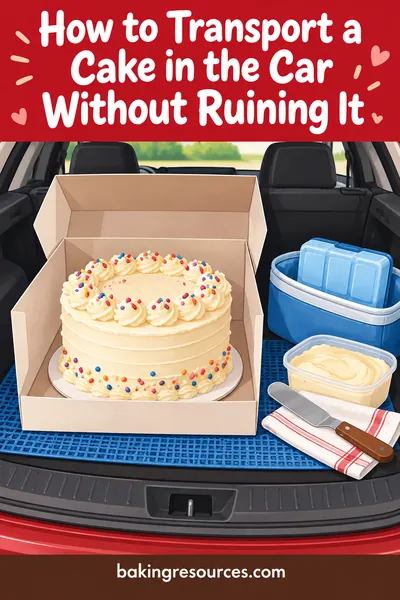 Baking guideHow to Transport a Cake in the Car Without Ruining ItShow me how →
Other holiday pies in the freezer
The dessert table rarely stops at pumpkin. Here is how the other usual pies compare, so you can plan a whole freezer of desserts at once.
| Pie | Freezes? | Best way | Thaw |
|---|---|---|---|
| Sweet potato pie | Yes, like pumpkin | Bake, chill, flash freeze, wrap; best within 1 month | Fridge only |
| Pecan pie | Yes, very well | Bake fully, cool, wrap; best within 1 month | Fridge only, since the filling is egg-set |
| Apple and other fruit pies | Yes, very well | Freeze unbaked and bake from frozen | No thaw needed |
| Cheesecake | Yes, very well | Chill overnight, flash freeze, wrap | Fridge only |
| Cream pies: banana, coconut, chocolate | No | Make 1 day ahead and refrigerate | |
| Meringue-topped pies | No | The meringue weeps and turns rubbery |
Pecan pie is the closest cousin to pumpkin in the freezer. It also has an egg-set filling, and it also needs to be fully baked first so the filling does not run after thawing; how to tell when pecan pie is done gives the signs. Cheesecake actually improves with a day or two of chilling before it goes in, and a smooth top freezes better than a cracked one, which is where preventing cheesecake cracks comes in.
Cream pies and meringue pies are the exceptions. Their fillings are thickened with starch and set soft, and freezing breaks that set. They come out watery and separated. Make those no more than a day ahead and keep them in the fridge.
What goes wrong with frozen pumpkin pie, and how to fix it
| What you see | Why it happened | Fix |
|---|---|---|
| Beads of liquid on top | Ice crystals melting out of the custard; worse if underbaked | Blot gently with a paper towel; bake to 175°F next time |
| Soggy, pale bottom crust | Crust was not baked enough, or the pie was wrapped warm | Warm at 325°F for 10 to 15 minutes; blind bake next time |
| Wrap stuck to the filling | Wrapped before it was frozen firm | Flash freeze uncovered for 1 to 2 hours first |
| Dry, pale patches or frost on the filling | Freezer burn from air in the wrap | Two layers of plastic plus foil, pressed tight |
| Grainy or curdled texture | Overbaked before freezing, or kept frozen too long | Pull at 175°F with a slight wobble; use within a month |
| Cracks across the top | Overbaked, or cooled too fast; freezing does not cause them | Cover with whipped cream when serving |
| Icy center when you cut it | Not thawed long enough | Back in the fridge; whole pies need at least 12 hours |
| Off or freezer taste | Single layer of wrap, or stored near strong foods | Double wrap; label and use within a month |
How to tell if frozen pumpkin pie has gone bad
A pie that stayed frozen solid at 0°F is safe. The risk comes from what happened before it went in and after it came out. Throw it out if:
- It sat out more than 2 hours before freezing or after thawing, or 1 hour in a room above 90°F.
- It was thawed on the counter.
- You see any mold, in any color, on the crust or filling.
- It smells sour or off, or the surface is slimy rather than just a little damp.
- It has been in the fridge for more than 2 days after thawing.
- The freezer lost power and the pie thawed and sat warm.
Past-its-best signs, which are about quality rather than safety, include a dull, frosty surface, a soft crust that will not crisp, and a filling that tastes flat. Those pies are safe, just not at their best. Do not taste a pie you are unsure about to decide; the bacteria that cause food poisoning usually do not change the taste or smell.
Common mistakes to avoid
- Thawing on the counter. The single biggest safety mistake. Fridge only, every time.
- Freezing a warm pie. Steam turns to ice in the crust. Cool it, then chill it, then freeze it.
- Freezing with whipped cream on top. The cream turns icy and watery. Add it after thawing.
- Putting a frozen glass pie plate in a hot oven. It can crack. Thaw first, and let the dish sit out briefly before warming.
- Freezing leftovers at the end of their fridge life. Freeze within a day or two of baking.
- Refreezing a thawed pie. Quality drops sharply, and it adds time in the fridge that a custard does not have to spare.
- Swapping the spices or milk at the last minute without checking. Spice swaps do not change freezing at all, but a milk swap that does not set firmly can weep more. Our guides on pumpkin pie spice substitutes and evaporated milk substitutes cover swaps that bake up like the original.
Questions people ask
How long can you freeze pumpkin pie?
A baked pumpkin pie keeps its best quality for about 1 month in a 0°F freezer when it is wrapped in two layers of plastic and one of foil. General guidance allows custard pies 1 to 2 months, but the filling is silkiest and the crust crispest in the first month. It stays safe longer while frozen solid.
Can you thaw pumpkin pie on the counter?
No. Pumpkin pie is a custard made with eggs and milk, so it must thaw in the fridge. A whole pie needs at least 12 hours, usually overnight, and slices need 3 to 4 hours. On the counter, the outside would sit in the bacteria danger zone for hours while the center thaws.
How long does it take to thaw a frozen pumpkin pie?
A whole 9 inch pumpkin pie needs at least 12 hours in the fridge, so moving it from the freezer the night before works well. A deep-dish pie can take 18 to 24 hours. Single slices thaw in 3 to 4 hours, and mini pies in 2 to 3 hours. Check by sliding a thin knife into the center; if it meets no icy resistance, it is ready.
Does pumpkin pie freeze well?
Yes, better than most custard pies. The thick pumpkin puree holds on to its water, so the filling stays smooth. You may see a few beads of moisture on top after thawing, which you can blot off, and the crust can soften a little. Warming it at 325°F for 10 to 15 minutes crisps the crust again.
Can you freeze an unbaked pumpkin pie?
It is not recommended. The thin raw filling soaks into the crust, and a frozen custard bakes unevenly, overcooking at the edges before the center sets. Freeze the unbaked pie shell instead, for up to 3 months, then fill it and bake it straight from frozen, adding about 5 minutes to the bake.
How do you keep the crust from getting soggy when freezing pumpkin pie?
Partly blind bake the shell before filling it, bake the pie fully, and cool and chill it completely before freezing. Flash freeze it uncovered, then wrap it tightly. Thaw it wrapped in the fridge so condensation lands on the wrap. If the crust is still soft, warm the pie at 325°F for 10 to 15 minutes.
Can you freeze store-bought pumpkin pie?
Yes. Freeze it as soon as you get it home, or within a day or two, following the same steps: chill, flash freeze, then wrap in plastic and foil. Use it within about 1 month and thaw it in the fridge. Store-bought pies sold on a room-temperature shelf should still thaw in the fridge once they have been frozen.
Can you refreeze pumpkin pie after thawing?
It is best not to. Each freeze pushes more water out of the custard, so a refrozen pie weeps more and the crust turns soggier. It also adds fridge time to a custard that only has a few days to begin with. Thaw only what you will eat, and freeze leftovers as single slices next time.