Cupcake Liners Peeling Away? Why It Happens and How to Fix It

Cupcake liners peeling away from the cake is almost always caused by moisture: steam trapped between the paper and the cupcake as they cool in the pan, slightly underbaked centers that shrink as they cool, or humid storage that softens the paper. The quick fix is to bake the cupcakes fully, lift them out of the pan within a few minutes, cool them on a wire rack, and store them only once they are completely cool.
Peeling liners do not change how a cupcake tastes, but they make a batch look tired and homemade in the wrong way, especially when you are bringing cupcakes to a party or bake sale. The good news is that this problem has a short list of causes, and once you know which one you are dealing with, it is easy to fix. This guide walks through each cause, how to tell which one is yours, and exactly what to change next time.
Quick Diagnosis Table
Start here. Match what you see to the most likely cause, then jump to the section that explains the fix.
| What you notice | Most likely cause | Quick fix |
|---|---|---|
| Liners pull away within minutes of leaving the oven | Steam trapped in the pan | Remove cupcakes from the pan after 2 to 5 minutes |
| Liners pull away as cupcakes cool, centers sink slightly | Underbaking | Bake a few minutes longer; test with a toothpick |
| Liners look greasy or see-through and peel | Fat soaking into thin paper | Use thicker or greaseproof liners |
| Liners peel the next day | Storing while warm or in a sealed container in humid air | Cool completely; store loosely covered |
| Only some cupcakes peel | Uneven filling or uneven oven heat | Fill cups evenly; rotate the pan halfway |
| Liners peel on very moist recipes | High moisture in the batter | Bake fully; consider foil or greaseproof liners |
| Liners peel after refrigerating | Condensation as cold cupcakes warm up | Let them come to room temperature uncovered or in a loosely covered box |
What Causes Cupcake Liners Peeling Away
1. Steam Trapped in the Pan
This is the most common cause of cupcake liners peeling. When cupcakes come out of the oven, they are full of hot steam. If they stay in the hot pan, that steam has nowhere to go. It condenses between the paper liner and the side of the cupcake, softening the paper and loosening its grip.
As the cupcake cools, the cake shrinks slightly while the damp liner stays where it is, and the two separate.
How to fix it:
- Let the cupcakes sit in the pan for just 2 to 5 minutes after baking, long enough to firm up enough to handle.
- Lift them out gently, using a small offset spatula or the tip of a butter knife to help the first one out.
- Set them on a wire cooling rack with space between each cupcake so air can circulate on all sides.
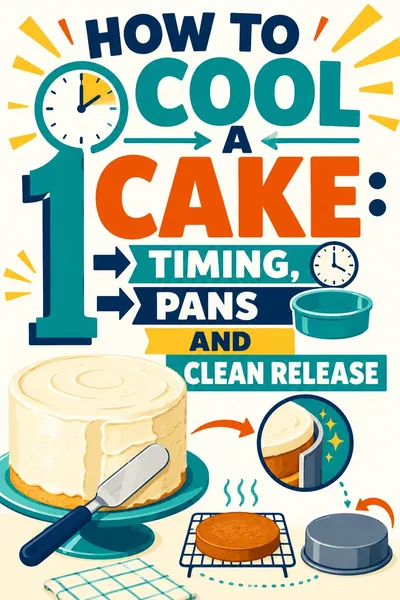
Cooling on a rack instead of in the pan is the single most important change. The principle is the same one we cover for whole cakes in how to cool a cake: the faster steam can escape, the less moisture gets trapped.
2. Underbaking
A slightly underbaked cupcake contains more moisture, and that moisture turns into steam as it cools. Underbaked cupcakes also shrink and sink more as they cool, which pulls the cake away from the paper.
Signs your cupcakes are underbaked:
- The centers sink slightly as they cool.
- The tops look shiny or wet in the middle.
- A toothpick inserted in the center comes out with wet batter.
- The cupcake does not spring back when lightly pressed.
How to fix it:
- Bake until a toothpick inserted in the center comes out clean or with a few moist crumbs, not wet batter.
- Lightly press the top; it should spring back.
- If the outsides brown before the centers are done, check your oven temperature and bake on the middle rack.
An oven that runs cool is a common hidden cause. If your cupcakes always need extra time, an oven thermometer can tell you whether the oven matches the dial.
3. The Type of Liner
Not all liners are the same. Thin, plain paper liners are the most likely to peel, because they absorb moisture and grease easily and have little structure of their own.
| Liner type | Peeling risk | Notes |
|---|---|---|
| Thin plain paper | Highest | Absorbs grease and moisture; colors often fade |
| Thicker or greaseproof paper | Lower | Holds its shape and resists grease; colors stay bright |
| Foil-lined paper | Low | Foil layer blocks moisture and grease |
| Foil cups | Low | Sturdy; can stand on a sheet pan without a muffin pan |
| Silicone liners | None (reusable) | Cupcakes pop out; no paper to peel |
| Tulip or parchment wraps | Low | Taller, looser shape; designed to sit away from the cake |
How to fix it: If you have fixed the cooling and baking and still see peeling, try a thicker greaseproof paper liner or a foil-lined liner. They solve the problem on very moist recipes.
4. Humidity and Storage
Even perfectly baked cupcakes can peel later if they are stored the wrong way. When warm cupcakes go into a sealed container, steam keeps escaping and has nowhere to go. It condenses inside the container and is absorbed by the paper.
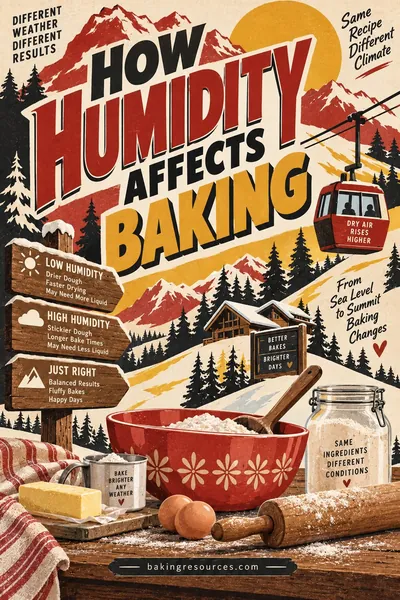
Humid weather has the same effect. Paper liners absorb moisture from the air, soften, and lose their grip on the cake. See baking in humid weather for other ways damp air affects baked goods.
How to fix it:
- Cool cupcakes completely, usually at least an hour, before covering them.
- Store unfrosted cupcakes in a container with the lid slightly ajar, or loosely covered, for the first several hours.
- Place a paper towel under and over the cupcakes in the container to absorb extra moisture.
- In very humid weather, keep the room cool and the container out of direct sun.
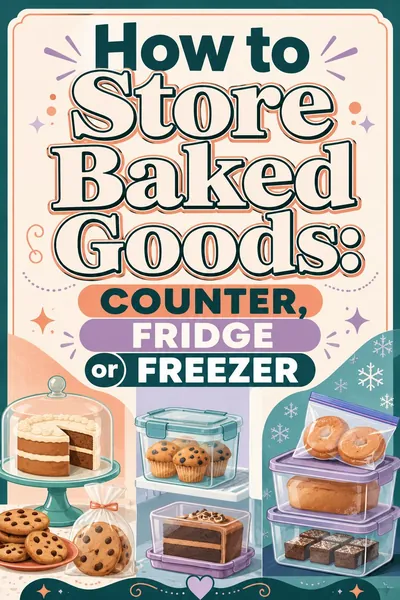
For more on keeping cupcakes and other bakes fresh, see how to store baked goods.
5. Refrigerating and Condensation
Cupcakes with perishable frosting, such as cream cheese frosting or whipped cream, need to be refrigerated. The problem comes when you take them out. Cold cupcakes meet warm room air, and moisture condenses on the outside, including on the liners.
How to fix it:
- Let refrigerated cupcakes come to room temperature in their container, so condensation forms on the container instead of the cupcakes.
- Or set them out uncovered in a cool, dry spot for a short time before serving.
6. Uneven Filling or Oven Heat
If only some cupcakes in a batch peel, the problem may be uneven filling or uneven heat. Overfilled cupcakes take longer to bake through, so they may be underbaked when the others are done. Cupcakes near a hot spot may bake faster than those near a cool spot.
How to fix it:
- Use a portion scoop or a measuring spoon to fill each liner the same amount, usually about two-thirds full.
- Rotate the pan halfway through baking.
- Bake one pan at a time on the middle rack when possible.
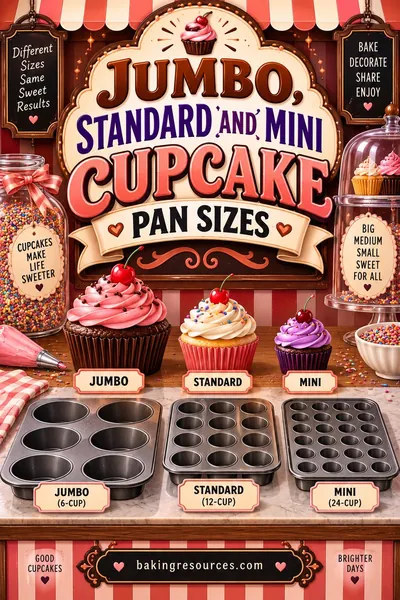
If you are baking jumbo cupcakes, the bake time and filling amount change. Our guide to jumbo cupcake pan sizes covers how much batter each cup holds and how bake times compare to standard cupcakes.
7. Very Moist Recipes
Recipes with lots of oil, fruit, vegetables or sour cream are wonderfully tender, but they also release more moisture. Carrot cake cupcakes, banana cupcakes and pumpkin cupcakes are some of the most likely to have liners peeling.
How to fix it:
- Bake them fully, as above.
- Cool them out of the pan on a rack right away.
- Use greaseproof or foil-lined liners for these recipes.
Step-by-Step: How to Keep Liners From Peeling
Here is the full process that addresses every cause at once:
- Choose sturdy liners, especially for moist recipes. Greaseproof or foil-lined liners are the most reliable.
- Preheat your oven fully before the cupcakes go in, and check the temperature with an oven thermometer if you suspect it runs cool.
- Fill each liner evenly, about two-thirds full, using a scoop.
- Bake on the middle rack and rotate the pan halfway through.
- Bake until done, with a clean toothpick and a top that springs back.
- Cool in the pan for only 2 to 5 minutes.
- Move the cupcakes to a wire rack and let them cool completely, with space between them.
- Frost only once fully cool.
- Store loosely covered for the first several hours, with paper towels to absorb moisture.
- If refrigerated, let them warm up in their container before opening it.
Does Greasing the Pan Help?
Some bakers lightly spray the muffin pan before adding liners. This does not stop steam from forming, but it can make cupcakes easier to lift out quickly, which helps them cool on a rack sooner. It is optional.
Do not spray the inside of the liners for standard cupcakes. That adds extra grease where the paper meets the cake and can make peeling more likely, not less.
Can You Fix Cupcakes That Already Have Peeling Liners?
Once a liner has peeled away from a baked cupcake, it will not stick back on by itself. Here are some practical ways to save the batch:
- Double up: Set each cupcake inside a second, fresh liner. This hides the gap and looks neat on a platter.
- Use a decorative wrap: Paper cupcake wraps slip around the outside of the liner and cover the peeling.
- Remove the liners: For a casual gathering, peel off the liners completely and serve the cupcakes on a platter.
- Frost generously: A swirl of frosting that reaches the edge of the liner can help hold the top of the paper in place.
Does the Muffin Pan Matter?
The pan plays a smaller role than cooling and baking, but it can still nudge the result.
- Dark pans absorb more heat, so the outside of each cupcake bakes faster. That can leave the center slightly underbaked when the edges look done, which feeds the shrink-and-steam problem.
- Light-colored metal pans bake more evenly and are a good default for cupcakes.
- Snug cups hold the liner firmly against the batter as it rises. If your liners are much smaller or larger than the cups, they can fold, wrinkle and pull away. Match the liner size to the pan.
If you only bake cupcakes now and then, there is no need to buy anything new. Just keep the pan on the middle rack, check doneness carefully, and get the cupcakes out of the pan quickly.
Common Mistakes to Avoid
Leaving cupcakes in the pan to cool. This is the number one reason for cupcake liners peeling. Take them out after a few minutes.
Pulling cupcakes before they are fully baked. Moist centers shrink and steam, pulling away from the paper.
Covering warm cupcakes. Trapped steam softens the liners. Cool completely before covering.
Overfilling the liners. Overfilled cupcakes bake unevenly and are more likely to be underbaked in the center.
Using thin liners for very moist recipes. Choose greaseproof or foil-lined liners for carrot, banana, pumpkin or other moist cupcakes.
Opening a cold container right away. Let refrigerated cupcakes come to room temperature before you open the container so condensation does not land on the liners.
FAQ
Why are my cupcake liners peeling off after baking?
The most common cause is steam trapped between the liner and the cupcake as it cools in the pan. Underbaking, thin liners and humid storage are other common causes. Take cupcakes out of the pan after a few minutes and cool them on a wire rack.
How long should cupcakes cool in the pan?
Only about 2 to 5 minutes. That is long enough for them to firm up, and short enough to keep steam from getting trapped. Then move them to a wire rack to cool completely.
Do foil liners stop peeling?
Foil and foil-lined liners are much less likely to peel, because the foil blocks moisture and grease from soaking into the paper. Greaseproof paper liners also work well.
Can underbaking cause cupcake liners peeling?
Yes. Underbaked cupcakes hold more moisture and shrink more as they cool, which pulls the cake away from the paper. Bake until a toothpick in the center comes out clean or with a few moist crumbs.
Why do my cupcake liners peel the next day?
They were probably covered while still warm, or stored in a sealed container in humid air. Let cupcakes cool completely, store them loosely covered at first, and add a paper towel to absorb extra moisture.
Should I spray cupcake liners with cooking spray?
Not for standard cupcakes. Spraying the inside of the liner adds grease that can make peeling more likely. A light spray on the pan itself is optional and only helps the cupcakes lift out more easily.
Does humidity make cupcake liners peel?
Yes. Paper liners absorb moisture from humid air and lose their grip on the cake. Cool and store cupcakes in a cool, dry spot and consider greaseproof or foil-lined liners during humid months.