
Milk Substitute for Baking: What to Use and How Much

Out of milk halfway through a recipe? Don't worry, this is one of the easiest swaps in baking. The best substitutes for milk in baking are 1 tablespoon melted butter plus water to make 1 cup, 1/2 cup evaporated milk plus 1/2 cup water, about 1/3 cup powdered milk plus water to make 1 cup, or 1 cup unsweetened soy, oat or almond milk. All of them go in cup for cup.
Even plain water works in a pinch, especially in bread. Pick your amount and your swap in the calculator below for exact measurements.
What does milk do in baking?
It helps to know what you're replacing. Milk does four main jobs in a recipe:
- Moisture. Milk is mostly water, so it hydrates the flour and turns it into batter or dough.
- Tenderness. The fat in milk coats the flour and keeps cakes, muffins and biscuits soft.
- Browning. Milk's natural sugar and protein help crusts and tops turn golden.
- Flavor. A mild, rounded richness you notice most in custards, puddings and plain cakes.
Water covers the first job. A good milk substitute covers most or all of them. That's why water plus a little butter beats water alone, and why soy milk, which has protein a lot like cow's milk, browns more like the real thing.
Milk substitutes for baking: how each one changes the result
Here's the quick-reference chart. Amounts are for 1 cup of milk, so multiply or divide for your recipe (or let the calculator do it).
| Swap for 1 cup milk | How much | What changes | Best for |
|---|---|---|---|
| Water + butter | 1 tbsp melted butter, then water to 1 cup | Close to whole milk; slightly less browning | Cakes, muffins, cookies, pancakes |
| Evaporated milk + water | 1/2 cup evaporated milk + 1/2 cup water | Nearly identical; a hint of caramel flavor | Everything, including custards and puddings |
| Powdered milk + water | About 1/3 cup nonfat dry milk, then water to 1 cup | Tastes and bakes like milk | Bread, cakes, muffins, pancakes |
| Soy milk | 1 cup unsweetened | Browns and sets much like dairy milk | Cakes, bread, dairy-free baking |
| Oat milk | 1 cup unsweetened | Creamy and mild; a touch less browning | Muffins, quick breads, pancakes |
| Almond milk | 1 cup unsweetened | Thinner; bakes are a little less rich | Muffins, cookies, pancakes |
| Coconut milk (carton) | 1 cup unsweetened | Mild coconut flavor; good richness | Muffins, quick breads, tropical bakes |
| Half-and-half + water | 1/2 cup half-and-half + 1/2 cup water | A bit richer than whole milk | Scones, biscuits, custards |
| Heavy cream + water | 1/4 cup heavy cream + 3/4 cup water | Richer and more tender | Biscuits, scones, pound cake |
| Plain yogurt + water | 3/4 cup yogurt + 1/4 cup water, whisked | Tangier, softer crumb | Muffins, quick breads, pancakes |
| Water | 1 cup | Less tender, paler, less flavor | Bread and rolls |
What is the best milk substitute for baking?
It depends on what you have in the pantry and what you're baking:
- Closest to real milk: evaporated milk plus water. It's literally milk with some of the water cooked off, so adding water back gets you very close.
- Easiest pantry fix: water plus melted butter. Almost everyone has both.
- Best keep-on-hand option: powdered milk. A bag lasts for months, so you're never stuck.
- Best dairy-free option: unsweetened soy milk, with oat milk a close second.
Can you use water instead of milk in baking?
Yes, and it works better than most people expect, especially in yeast bread. Lots of classic bread recipes use water anyway. In cakes, muffins and cookies, though, water alone leaves things a little drier, paler and plainer tasting, because you lose milk's fat, sugar and protein.
The fix is simple: for every cup of water, add 1 tablespoon of melted butter (or 2 teaspoons of oil). That brings back most of the richness. If you have a spoonful of sugar to spare, a teaspoon per cup helps with browning too.
A worked example: 1 1/4 cups of milk
Say your muffin recipe calls for 1 1/4 cups of milk and you only have a splash left. Here's what each swap looks like:
- Water + butter: 1 tablespoon plus 3/4 teaspoon melted butter, then water up to the 1 1/4 cup line.
- Evaporated milk + water: 1/2 cup plus 2 tablespoons evaporated milk, plus 1/2 cup plus 2 tablespoons water.
- Powdered milk: about 1/3 cup plus 4 teaspoons dry milk, then water to 1 1/4 cups.
- Oat, soy or almond milk: just 1 1/4 cups.
- Mix and match: got 1/2 cup of real milk? Use it, and make up the other 3/4 cup with any swap above.
Measuring fiddly amounts like "1 tablespoon plus 3/4 teaspoon" is where a converter helps. Our cups to tablespoons chart makes it easy.
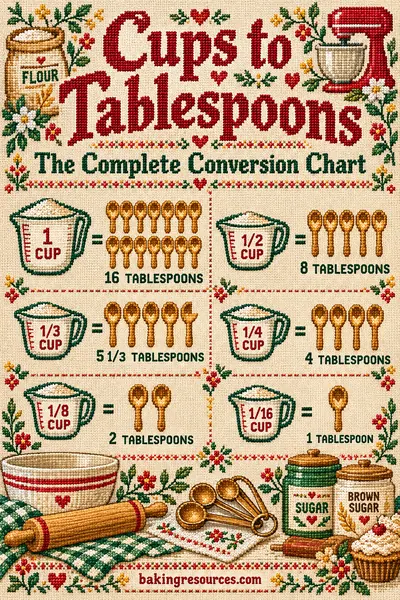 Free toolCups to Tablespoons Converter (Plus Halving Chart)Plug in my recipe →
How do you use powdered milk in baking?
Two ways, and both work:
- Mix it first. Whisk about 1/3 cup instant nonfat dry milk into a measuring cup, add water to the 1 cup line and stir until smooth.
- Add it dry. Whisk the powder right into your flour, then add the water with the wet ingredients. This is the easiest way in bread machines and big batches.
Ratios vary a little by brand (non-instant powders often use less), so check your package if it gives directions.
Dairy-free milk substitutes for baking
Plant milks swap in cup for cup. A few things to keep in mind:
- Pick unsweetened and plain. Sweetened and vanilla versions add sugar and flavor, so bakes brown faster and taste sweeter. If that's all you have, cut the recipe's sugar by about a tablespoon per cup.
- Thicker is better. Soy, oat and carton coconut milk give richer results than thin almond or rice milk.
- Watch for allergies. Almond and some other plant milks aren't safe for nut-free kitchens or classrooms.
- Swap the butter too. If you're baking fully dairy-free, the milk is only half the job. Our dairy-free baking substitutions guide covers butter, cream and more.
 Baking guideDairy Free Baking Substitutions: Milk, Butter, CreamFind my swap →
Every dairy substitute on Baking Resources
Out of something besides plain milk? Here's where to find the swap:
| Out of | Where to find the swap |
|---|---|
| Buttermilk | Buttermilk substitute (milk plus lemon juice or vinegar) |
| Buttermilk, dairy-free | Dairy-free buttermilk substitute |
| Evaporated milk | Evaporated milk substitute |
| Sweetened condensed milk | Sweetened condensed milk substitute |
| Heavy cream | Heavy cream substitute |
| Heavy cream, vegan | Vegan heavy cream substitutes |
| Half-and-half | Half-and-half substitute |
| Cream in general | All-purpose cream substitute |
| Sour cream | Sour cream substitute |
| Butter | Butter substitute in baking |
| Milk, but you have cream | Using heavy cream instead of milk |
| Not sure if milk and buttermilk swap | Milk vs buttermilk in baking |
| Anything else | Baking substitutions chart |
Which recipes are pickiest about milk?
Most bakes are forgiving, but a few lean on milk harder than others:
- Custards, puddings and pie fillings. Milk is the main ingredient, so flavor and richness matter. Use evaporated milk plus water, half-and-half plus water, or powdered milk. Skip plain water.
- Plain cakes and pound cake. There's nowhere for a weak swap to hide. Water plus butter or evaporated milk is best.
- Muffins, pancakes and quick breads. Very forgiving. Almost any swap works.
- Yeast bread and rolls. Water works fine. Milk just makes the crumb a little softer and the crust a little browner.
- Cookies. Most use little or no milk, so any swap is fine.
Common mistakes when replacing milk
- Using straight evaporated milk or cream. Both are much richer than milk. Thin them with water first, or bakes can turn greasy or heavy.
- Grabbing sweetened condensed milk by mistake. It's thick and very sweet, not a milk swap. Check the can.
- Swapping buttermilk in without adjusting. Buttermilk is acidic and works with baking soda. Replacing plain milk with buttermilk can change how a recipe rises. Our milk vs buttermilk guide explains when it's fine.
- Using sweetened vanilla plant milk in savory bakes. Biscuits that taste like vanilla are a surprise nobody wants.
- Adding the butter hot. Let melted butter cool a few minutes so it doesn't cook the eggs when it hits the batter.
Running out of milk during holiday baking
December is prime time for running out. Between cookie dough, cinnamon rolls and Christmas morning pancakes, the gallon disappears fast, and nobody wants to drive to the store in the snow. A few easy ways to be ready:
- Keep a can of evaporated milk in the pantry. It's shelf-stable until opened and makes about 3 cups of milk swap from a standard 12 ounce can.
- Stash a bag of powdered milk. It's the best backup for winter storms and snow days.
- Remember that water works in bread. Dinner rolls for a big holiday meal are fine made with water plus a little butter.
Once opened, evaporated milk goes in the fridge in a covered container (not the can) and should be used within about 3 to 5 days. Mixed powdered milk keeps in the fridge for about 3 to 5 days too, just like regular milk. For every other swap and kitchen calculator, head to Baking Resources.
More free baking tools


Questions people ask
What can I use instead of milk in baking?
For each cup of milk, use 1 tablespoon melted butter plus water to make 1 cup, 1/2 cup evaporated milk plus 1/2 cup water, about 1/3 cup powdered milk plus water to make 1 cup, or 1 cup of unsweetened soy, oat or almond milk. All of them work cup for cup in most recipes.
Can I use water instead of milk in baking?
Yes, in a pinch. Water works well in bread and is fine in many muffins and pancakes, but cakes and cookies come out less tender, less rich and paler. Adding 1 tablespoon of melted butter per cup of water brings back most of the richness.
What is the best non-dairy milk substitute for baking?
Unsweetened soy milk is the closest to cow's milk because it has a similar amount of protein, which helps bakes brown and set. Oat milk is a close second and has a mild flavor. Use either one cup for cup.
Can I use heavy cream instead of milk in baking?
Yes, but thin it first. Mix about 1/4 cup heavy cream with 3/4 cup water to replace 1 cup of milk. Using straight cream adds a lot of extra fat, which can make cakes greasy or heavy.
How do I use powdered milk instead of milk?
Mix about 1/3 cup nonfat dry milk powder with enough water to make 1 cup, or follow your package. You can also whisk the powder into the dry ingredients and add the water with the wet ones.
Does sweetened almond or oat milk work in baking?
It works, but it adds extra sugar and sometimes vanilla flavor, so your bake may brown faster and taste sweeter. Unsweetened, plain versions are the safest choice. If you only have sweetened, cut the recipe's sugar by about 1 tablespoon per cup.