
Pie Weights Substitute: What to Use and How Much Your Pan Needs

The best pie weights substitute is plain granulated sugar, with dried beans or uncooked rice close behind. Line the chilled crust with foil or parchment and fill it right to the rim, which takes about 4 cups for a standard 9 inch pie plate. A second pie plate of the same size works too, and in a pinch you can dock and freeze the crust and skip weights altogether.
How much you need depends on your pan, and each swap bakes a little differently. Pick your pie size and what you have on hand in the calculator below, and it tells you how much to use, what to line it with, and how long to bake.
Free calculator
Pie weights substitute calculator
Pick your pie plate size and what you have in the kitchen to see how much to use and how to bake it.
More free baking tools



What can I use instead of pie weights?
Pie weights are just small, heavy, heat-safe pieces that sit inside an unbaked crust and hold it in place while it sets. Anything dry, oven-safe and able to fill the shell evenly can do the same job. That is why the pantry has you covered: sugar, dried beans and rice all pour into every corner and press the dough flat against the pan.
Here is how the common swaps compare, from best to last resort.
| Swap | Line with | Oven | How well it works | Reuse |
|---|---|---|---|---|
| Granulated sugar | Foil | 375°F | Best. Fills every gap, holds sides firmly, browns the bottom evenly | Yes, in any baking |
| Dried beans | Parchment | 400°F | Very good. Heavy and easy to lift out | Only as pie weights |
| Uncooked rice | Parchment | 400°F | Very good. Small grains fill corners well | Only as pie weights |
| A second pie plate | Parchment | 375°F | Good if it matches your pan size and depth | Of course |
| Nothing (dock and freeze) | None | 400°F | Fair. The bottom stays flat, the sides may slump | Not needed |
Skip anything that is not meant for the oven, like plastic, glass marbles or decorative stones. They can crack, melt or give off fumes at blind-baking heat.
How much filler your pie plate needs
The single rule that matters most: fill the crust all the way to the rim. A shallow layer of beans keeps the bottom flat, but the sides have nothing pushing on them, so they slide down as the butter melts. Most "my pie weights did not work" stories come from using one cup in a pan that needs four.
| Pie plate | Filler to reach the rim | Sugar by weight | Extra time with weights |
|---|---|---|---|
| 8 inch standard | About 3 cups | About 600 g | None |
| 9 inch standard | About 4 cups | About 800 g | None |
| 9 inch deep-dish | 5 to 6 cups | 1,000 to 1,200 g | About 5 minutes |
| 10 inch | 5 to 6 cups | 1,000 to 1,200 g | None |
Pans vary more than you might think, even when the label says 9 inch. If you are not sure which one you own, the guide to pie pan sizes shows how to measure depth and width. The amounts above are for a crust that is already pressed in, which takes up some room, so start with the number in the table and add more until it reaches the top. Beans and rice weigh a little less than sugar cup for cup, but you measure all three the same way: by volume, to the rim.
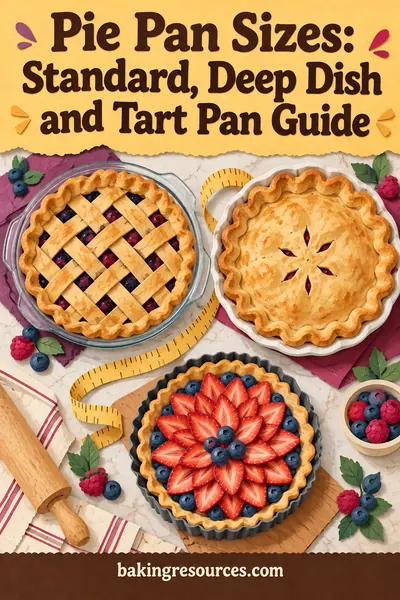 Baking guidePie Pan Sizes: Standard, Deep Dish and Tart Pan GuideSee the sizes →
Why the weights matter
A raw crust is mostly flour and cold fat with a bit of water. In a hot oven, that water turns to steam and the fat melts. With nothing on top, steam lifts the bottom into a dome and melting fat lets the sides slide down into the pan. Weights hold everything in place for the first 15 to 25 minutes, long enough for the flour to set into a firm shell. After that, the crust can hold its own shape, so you lift the weights out and let the bottom dry and brown.
This page is about what to use as weights. For the full step-by-step, including how long to chill and when to brush on an egg white seal, see how to blind bake a pie crust without a soggy bottom.
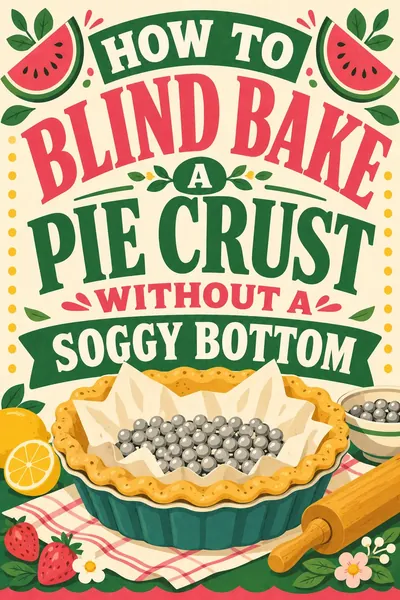 Baking guideHow to Blind Bake a Pie Crust Without a Soggy BottomRead the step by step →
Sugar: the swap that works best
Granulated sugar is the best stand-in, and many bakers like it more than store-bought ceramic weights. Each grain is tiny, so sugar flows into every crimp and corner and presses evenly across the whole crust. It also holds heat well, which helps the bottom bake through at the same pace as the sides.
How to use it
- Line the crust with foil, pressing it into the corners. Foil is sturdier than parchment for lifting several pounds of hot sugar.
- Pour the sugar in until it is level with the rim.
- Bake at 375°F, a bit lower than for beans, so the sugar touching the foil toasts lightly instead of melting.
- Let it cool a few minutes, then lift the foil out by the corners, holding it like a sack.
The sugar comes out a shade darker with a mild toasty taste. Store it in a jar and use it in cookies, crumb toppings or quick breads. If you want to know why that color change happens, our page on the types of sugar for baking explains how plain white sugar behaves under heat.
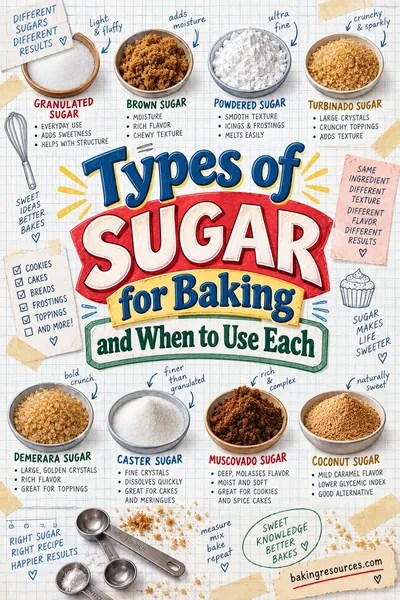 Baking guideTypes of Sugar for Baking and When to Use EachRead the guide →
Dried beans and rice
Dried beans are the classic pantry swap. They are heavy, they pour easily and they come out in one lift with the parchment. Any type works: pinto, navy, black or chickpeas. Uncooked rice works just as well and fills small gaps even better because the grains are smaller.
Line the crust with parchment first. Crumple the sheet into a ball, then flatten it out. The creases let it settle into the corners without tearing the dough. Leave plenty hanging over the edge so you have handles.
One honest note: beans and rice that have been baked dry will not cook up well as food afterward. They lose moisture and stay tough. Let them cool, pour them into a labeled jar and keep them as your own set of pie weights. They last for years.
Using a second pie plate
If you own two pie plates of the same size, you already have a pie weight. Line the crust with parchment, set the second plate on top and press gently so it rests against the bottom and sides. Glass and metal both work. A light metal plate may need a cup of beans or sugar inside it for extra weight.
The match matters. A 9 inch standard plate set inside a deep-dish crust only touches the bottom, so the tall sides still slide. If your plates do not match, use sugar or beans instead.
The upside-down trick
For a fully baked shell, some bakers drape the dough over the back of an upside-down pie plate and bake it that way. Gravity pulls the sides down onto the plate instead of away from it. It works, but the shell can stick and crack when you flip it, so treat it as a backup plan.
No weights at all: dock and freeze
When the pantry is bare, cold and holes are your two tools. Prick the bottom all over with a fork, which gives steam a way out. Our page on what docking dough means covers the spacing. Then freeze the shaped crust for 30 minutes until it is hard as a plate. Frozen fat takes longer to melt, so the crust sets before it has time to slump.
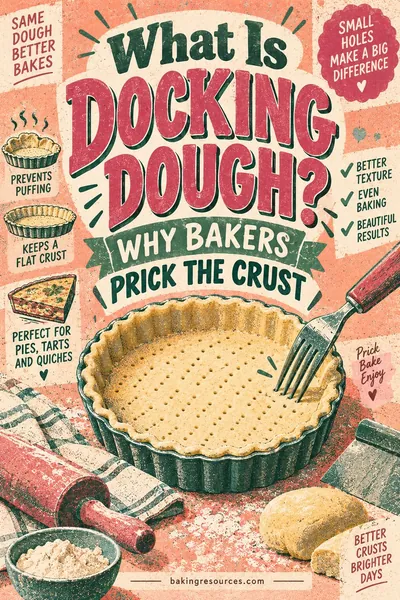 Baking guideWhat Is Docking Dough? Why Bakers Prick the CrustCheck the rise times →
Bake at 400°F and check every 5 minutes. If the bottom puffs, press it down gently with the back of a spoon. The sides may still drop a little, so shape a tall, thick edge to start. This method is fine for a standard pie, but deep-dish sides almost always slide without support.
Worked example: a 9 inch pumpkin pie shell
Say you are making pumpkin pie for Thanksgiving and the recipe says to partly bake the crust first. You have a standard 9 inch glass pie plate and no pie weights, but there is a big bag of sugar in the pantry.
- Roll and shape the dough, then chill the crust in the plate for at least 30 minutes.
- Line it with foil and pour in about 4 cups of granulated sugar, roughly 800 g, so it reaches the rim.
- Set it on a sheet pan on the lower-middle rack. If you are not sure why, here is which oven rack to use for crusts.
- Bake at 375°F for 20 to 25 minutes, until the edges look dry and pale gold.
- Lift out the foil and sugar, then bake 5 to 10 minutes more, until the bottom looks dry and no longer shiny.
- Cool it slightly, add the filling, and finish baking as the recipe says.
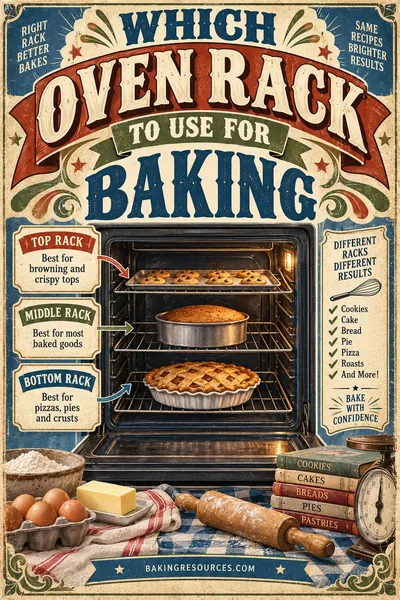 Baking guideWhich Oven Rack to Use for Baking: Top, Middle, LowSee the chart →
If you had beans instead, the steps are the same with parchment and a 400°F oven for 15 to 20 minutes with weights.
Common mistakes and how to fix them
- Sides slid down. The filler did not reach the rim, or the dough went into the oven warm. Fill to the top and chill the shaped crust first.
- Bottom puffed up. Not enough weight in the center, or no docking. Press the puff down with a spoon right away while the crust is soft.
- Parchment stuck to the dough. The crust was not set when you lifted it. Give it 5 more minutes with weights next time.
- Sugar melted into clumps. The oven ran hot or the foil had gaps. Use 375°F, and check your oven with a thermometer.
- Crust shrank and turned tough. This usually starts at the mixing stage, not the baking. Our page on why pie crust turns tough walks through the causes, and cutting butter into flour the right way helps too.
- Rice grains stuck in the dough. The parchment was too small. Use a sheet that hangs well over the edge on all sides.
 Baking guideWhy Is My Pie Crust Tough? Causes and Fixes That WorkFind out why →
 Baking guideHow to Cut Butter Into Flour for Flaky Pastry Every TimeShow me how →
Holiday pie season tips
Between Thanksgiving and Christmas, a lot of pie crusts get blind baked: pumpkin, pecan, chocolate cream, lemon meringue and every kind of quiche for holiday brunch. A few small habits save time when the oven is busy.
- Keep one jar of "pie beans" and one of "pie sugar" in the pantry all season. Label them so nobody cooks the beans for chili.
- Shape crusts ahead and freeze them right in the pans. You can line and fill them with weights straight from the freezer. Our page on freezing pie dough covers wrapping and timing.
- If you are baking two pies at once, two foil packets of sugar are easier to juggle than loose beans.
- For a cream pie on Christmas Eve, bake the shell fully the day before, cool it, and keep it covered at room temperature until you fill it.
- For juicy or custard fillings, brush the hot, partly baked shell with a little beaten egg white and return it to the oven for 1 minute to seal it. Our page on what an egg wash is explains the different mixes.
 Baking guideHow to Freeze Pie Dough: Discs, Shells, and ThawingGet the proofing tips →
 Baking guideWhat Is an Egg Wash? When and How to Brush It OnRead it next →
Questions people ask
What is the best pie weights substitute?
Granulated sugar is the best pie weights substitute because the fine grains fill every corner and press the crust evenly. Line the crust with foil, fill it to the rim, and bake at 375°F. Dried beans and uncooked rice are close behind and work at 400°F with a parchment lining. A matching second pie plate also works well.
How many cups of beans do I need to blind bake a 9 inch pie crust?
Plan on about 4 cups of dried beans for a standard 9 inch pie plate, enough to reach the rim. A deep-dish 9 inch plate needs 5 to 6 cups, and an 8 inch plate needs about 3 cups. If the beans only cover the bottom, the sides have no support and tend to slide down.
Can I cook the beans or rice after using them as pie weights?
It is better not to. Baking dries the beans and rice out further, so they stay tough and cook unevenly. Let them cool, pour them into a labeled jar, and keep them as reusable pie weights. Sugar is different: the lightly toasted sugar can go straight into cookies, crumb toppings or quick breads.
Can I blind bake a pie crust without any weights?
Yes, for a standard pie plate. Prick the bottom all over with a fork, freeze the shaped crust for 30 minutes, and bake at 400°F, checking every 5 minutes and pressing any puffs flat with a spoon. The sides may slump a little. Deep-dish crusts usually need real support, so use sugar or beans for those.
Should I use foil or parchment under pie weights?
Either works, but each has a strength. Foil is sturdier, so it is the better choice for sugar, which is heavy and fine enough to slip through small tears. Parchment is easy to crumple into corners and works well with beans and rice. Whatever you use, leave plenty hanging over the edge so you can lift it out.
Can I use decorative stones or marbles as pie weights?
Stick with kitchen items. Decorative stones, glass marbles and anything not made for the oven can crack or give off fumes at blind-baking heat, and they are hard to clean well enough to sit against food. Sugar, dried beans, rice or a second pie plate do the same job safely and are already in most kitchens.