
Internal Temperature of Dinner Rolls: When Soft and Crusty Rolls Are Done

Soft, enriched dinner rolls, the kind made with milk, butter, sugar, or eggs, are done at an internal temperature of about 190°F (88°C). Lean, crusty rolls made with just flour, water, yeast, and salt need more heat, about 200°F to 210°F (93°C to 99°C). Check the roll in the middle of the pan, since it's always the last to finish.
Type your thermometer reading into the calculator below and it tells you whether your rolls need more time or are ready to come out. After that, you'll find the other signs to check, how a crowded pan changes things, and a Thanksgiving timeline so warm rolls hit the table with the turkey.
Free calculator
Dinner roll temperature checker
Push your thermometer into the side of a roll in the middle of the pan, aim for its center, and type the reading.
More free baking tools



Why soft rolls and crusty rolls have different targets
Every yeast roll is done when the starch in the flour has soaked up water and set, and enough steam has baked out that the crumb isn't wet or sticky. What changes is how much heat that takes.
Soft, enriched rolls have fat and sugar in the dough from milk, butter, eggs, or honey. Fat coats the flour and keeps the crumb tender, and sugar holds on to moisture. Those rolls are set and fluffy at about 190°F (88°C), and baking them much further mostly dries them out. That's why the target for Parker House rolls, butter rolls, sweet rolls, and pull-apart rolls is around 190°F.
Lean rolls are made from flour, water, yeast, and salt, sometimes with a spoonful of oil. With no fat or sugar to soften things, they need more time to drive out moisture and build a crisp crust. Hard rolls, crusty French-style rolls, and kaiser-style rolls are done at 200°F to 210°F (93°C to 99°C).
If you're baking a full loaf rather than rolls, our guide on how to tell when bread is done covers loaves of every kind. This page sticks to rolls, which bake faster and have a few quirks of their own.
 Baking guideHow to Tell When Bread Is Done: The Temperature TestCheck if it's done →
Dinner roll temperatures by type
| Type of roll | What's in the dough | Done at | Usual oven | Usual bake time |
|---|---|---|---|---|
| Soft pull-apart rolls | Milk, butter, sugar, often egg | About 190°F | 350°F to 375°F | 18 to 25 minutes |
| Parker House or butter rolls | Milk, lots of butter | About 190°F | 375°F | 15 to 20 minutes |
| Sweet rolls, like Hawaiian-style | Pineapple juice or honey, butter, egg | About 190°F | 350°F | 18 to 22 minutes |
| Whole wheat dinner rolls | Whole wheat flour, milk, honey | 190°F to 195°F | 375°F | 18 to 22 minutes |
| Lean crusty rolls | Flour, water, yeast, salt | 200°F to 210°F | 425°F to 450°F | 15 to 22 minutes |
| Hard or kaiser-style rolls | Lean dough, maybe a little oil | 200°F to 210°F | 425°F | 18 to 22 minutes |
Whole wheat flour holds more water, so those rolls do best a few degrees higher than white-flour soft rolls. Sweet rolls brown fast because of the sugar, so they often look done before they are. Lean on the thermometer for those.
How to take a roll's temperature
Rolls are small, so where you put the thermometer matters more than it does with a loaf.
- Pick a roll in the middle of the pan. In a pan of pull-apart rolls, the center rolls are surrounded by dough on all sides, so they bake slowest.
- Go in from the side. Slide the probe in horizontally, just above the pan, so the tip lands in the middle of the roll. Coming straight down from the top often pokes through to the pan.
- Check that the tip isn't touching metal. A probe touching the pan reads way too high.
- Wait for the number to settle. It only takes a few seconds with an instant-read thermometer.
For rolls baked spread apart on a sheet pan, any roll will do, though ones near the back of the oven sometimes run a little hotter.
Signs to check besides temperature
A thermometer is the surest way to know, but these signs help, especially if you're baking a batch you've made many times.
| Sign | Soft rolls, done | Crusty rolls, done | Still underbaked |
|---|---|---|---|
| Top color | Even golden brown | Deep golden to brown | Pale or only browned at the peaks |
| Bottom | Golden, not pale | Browned and firm | Pale and soft |
| Sides where rolls touch | Look dry and feathery when pulled apart | Not usually touching | Look shiny, wet, or doughy |
| Tap on the bottom | Slightly hollow, but less clear | Clearly hollow | Dull thud |
| Press the top | Springs back | Feels crisp | Leaves a dent |
The sound test works better on crusty rolls
Tapping the bottom and listening for a hollow sound is a classic bread test, and it works well on lean rolls with a firm crust. Soft rolls have a thin, tender crust, so the sound is muffled even when they're done. Don't rely on it for buttery rolls.
Check where the rolls touch
For pull-apart rolls, gently pull one center roll away from its neighbor. The sides should look dry and feathery. If they look glossy or sticky, put the pan back for a few minutes.
A worked example
You're baking 15 soft dinner rolls in a 9x13 pan at 375°F. The recipe says 20 to 25 minutes.
- At 15 minutes: the tops are golden at the edges of the pan but lighter in the middle. You slide the thermometer into the side of a center roll: 176°F. Not done.
- At 19 minutes: the tops are evenly golden. Reading: 185°F. Nearly there. The outer rolls are browning faster, so you lay a sheet of foil loosely over the pan.
- At 22 minutes: reading 191°F. You pull one roll from the center and the sides look dry and feathery. Done.
- You brush the tops with melted butter, leave them in the pan for 10 minutes, then move them to a rack.
If those had been crusty rolls on a sheet pan at 425°F, you'd keep going until the reading hit at least 200°F and the bottoms sounded hollow.
Dinner roll mistakes and fixes
Gummy centers
This usually means the rolls came out under about 185°F, or they were torn open while very hot, before the steam inside settled. Bake to temperature and give them at least 10 minutes. Our page on why bread turns gummy covers the other causes.
 Baking guideWhy Is My Bread Gummy Inside? Causes and Real FixesSee what went wrong →
Brown tops, raw middles
The oven may be running hot, or the pan may be on a rack too close to the top heating element. Tent with foil and bake until the center roll reaches temperature. Sweet doughs are the most likely to do this.
Small, dense rolls
That's a rising problem, not a baking one. Weak yeast or a short rise leaves tight, heavy rolls no matter how well they bake. See why bread doesn't rise, why bread turns out dense, and how to proof yeast so you know it's alive before you start.
 Baking guideWhy Didn't My Bread Rise? Yeast, Heat and TimingCheck the rise times →
 Baking guideWhy Is My Bread Dense? 4 Causes and How to Fix ThemFix it next time →
Dry, hard rolls
Soft rolls taken well past 200°F lose too much moisture. Next time pull them at 190°F, and brush them with butter right out of the oven.
Rolls that spread flat
Dough that's too wet or under-kneaded can't hold its shape. Our guide on how to knead dough shows what a ready dough feels like.
 Baking guideHow to Knead Dough: The Windowpane Test Settles ItSee the timing chart →
A crowded pan bakes slower
Rolls packed tightly into a pan protect each other from the heat, so the ones in the middle can take 3 to 5 minutes longer than rolls spaced apart on a sheet pan. That's also why those center rolls are the ones to check. A dark metal pan browns bottoms faster than a light one, and a glass dish takes a little longer overall.
If you double a recipe and bake two pans at once, swap their positions halfway through and expect a few extra minutes. Changing the size of your batch? The recipe converter scales every ingredient for you.
 Free toolRecipe Converter: Halve, Double or Scale Any RecipeTry the calculator →
Thanksgiving dinner rolls: a make-ahead timeline
Rolls are often the last thing to go in on Thanksgiving, right when the oven is free and the turkey is resting. The trick is to do almost everything before then.
- Up to 3 weeks ahead: Bake the rolls fully to temperature, cool them completely, then freeze them in a zip-top bag. Our guide on freezing bread works the same way for rolls.
- Or, the night before: Shape the rolls, cover the pan, and refrigerate it overnight. On Thursday, let the pan sit at room temperature for 1 to 2 hours until the rolls are puffy, then bake.
- Or, par-bake: Bake soft rolls until they're set but still pale, about 10 to 12 minutes at 350°F, then cool and freeze. Finish them at 375°F for about 8 to 12 minutes, until golden and 190°F in the center.
- While the turkey rests: Reheat fully baked rolls wrapped in foil at 350°F for about 10 to 15 minutes from thawed, or 15 to 20 minutes from frozen.
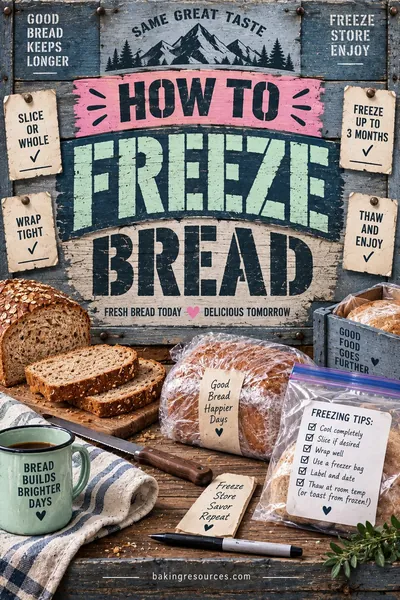 Baking guideHow to Freeze Bread and Thaw It Without Drying ItRead the storage guide →
An egg wash before baking gives shiny, deep golden tops for the holiday table. Our page on egg wash explains the different mixes.
 Baking guideWhat Is an Egg Wash? When and How to Brush It OnGet the details →
Storing and reheating leftover rolls
Let rolls cool completely before you bag them. Warm rolls trap steam in the bag, and the tops turn soggy and sticky. Once cool, leftover rolls keep 2 to 3 days at room temperature in a sealed bag or container. Skip the fridge, which makes bread go stale faster. For anything longer, freeze them for up to 3 months.
To bring day-old soft rolls back, wrap them in foil and warm them at 350°F for about 10 minutes. Crusty rolls do better unwrapped for 5 minutes, so the crust crisps up again. Our guide on how to store bread has more on keeping rolls fresh.
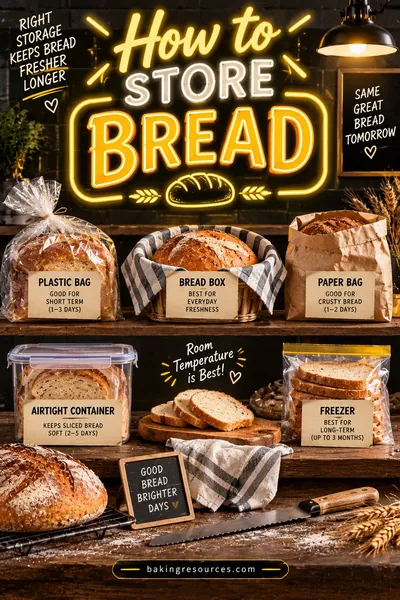 Baking guideHow to Store Bread: Counter, Bread Box or FreezerSee how long it keeps →
Questions people ask
What internal temperature should dinner rolls be?
Soft, enriched dinner rolls made with milk, butter, sugar, or eggs are done at about 190°F (88°C). Lean, crusty rolls made from just flour, water, yeast, and salt need 200°F to 210°F (93°C to 99°C). Always check a roll in the center of the pan, since it bakes slowest, and slide the thermometer in from the side.
Are dinner rolls done at 180°F?
Usually not quite. At 180°F, most soft rolls are still a little damp and doughy in the middle, and they can turn gummy as they cool. Give them a few more minutes, until they reach about 190°F. Lean, crusty rolls need even longer, until 200°F or a little more.
Why are my dinner rolls brown on top but raw inside?
The tops browned faster than the centers baked. This happens when the oven runs hot, the pan sits too high, or the dough has a lot of sugar or honey. Cover the pan loosely with foil and keep baking until a center roll reaches about 190°F. Next time, bake on the middle rack and check your oven temperature.
Can I check dinner rolls without a thermometer?
Yes. Look for an even golden top and a browned bottom. For pull-apart rolls, gently pull a center roll from its neighbor: the sides should look dry and feathery, not shiny or wet. The top should spring back when pressed. The hollow sound test works on crusty rolls but is hard to hear on soft ones.
Can you overbake dinner rolls?
Yes. Soft rolls baked well past 200°F lose too much moisture and turn dry, with a tough, chewy crust. If yours went a little long, brush the tops with melted butter as soon as they come out and cover the pan with a clean towel while they cool. The trapped steam softens the crust. Next time, pull them at about 190°F.
Do frozen store-bought rolls need to reach the same temperature?
Follow the package directions first, since many are already fully or partly baked. Fully baked rolls only need reheating until warm through, around 165°F in the center. Frozen raw dough rolls that rise and bake at home are like homemade, so bake them until they reach about 190°F and look golden on top and bottom.
How do I keep baked rolls warm for Thanksgiving dinner?
Take them out at the right temperature, brush with butter, and let them rest in the pan for 10 minutes. Then wrap the pan in foil and cover it with a clean kitchen towel, or set it in a warm spot away from drafts. They stay warm for about 30 minutes. To rewarm, heat them in foil at 350°F for 10 minutes.