
What Temperature to Keep Food Warm in the Oven

The best temperature to keep food warm in the oven is 170 to 200°F (77 to 93°C). That's warm enough to keep hot food above 140°F, the safe holding temperature, but low enough that it doesn't keep cooking. If your oven has a "warm" setting, that works too. Otherwise, just use its lowest number.
Most food holds well for 30 to 60 minutes. Covered casseroles can go up to about 2 hours, while pancakes, fries and bread are best within 15 to 30 minutes. The chart below has the details.
What temperature keeps food warm without drying it out?
Here's the simple version. Use 200°F for dense, moist dishes and anything crispy, and 170 to 180°F for bread, eggs and other delicate foods that dry out or overcook fast.
| Oven setting | °C | Gas mark | Best for |
|---|---|---|---|
| 170°F | 77°C | Lowest setting | Rolls, biscuits, scones, egg dishes |
| 180°F | 82°C | Lowest setting | Pancakes, French toast, sliced meat (covered) |
| 200°F | 93°C | Lowest setting | Casseroles, mashed potatoes, fries, fried chicken, waffles |
| 225°F | 107°C | 1/4 | Too hot for holding. Food keeps cooking. |
Gas ovens: 170 to 200°F is below gas mark 1/4, so just set yours to its lowest setting. For any other number, our oven temperature conversion chart has every °F, °C and gas mark side by side.
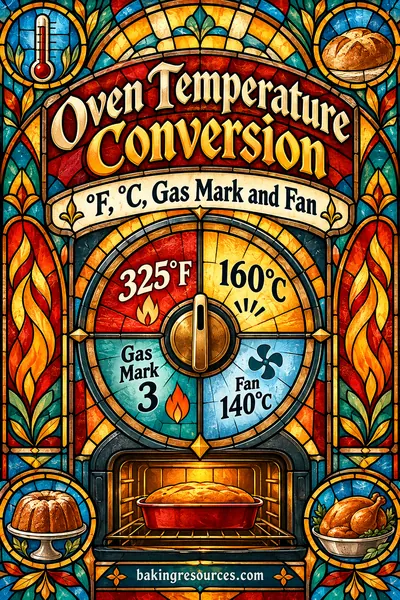 Free toolOven Temperature Conversion: °F, °C, Gas Mark and FanConvert it now →
What temperature is the warm setting on an oven?
It depends on the brand. Most "warm" or "keep warm" settings land somewhere around 150 to 200°F. Some newer ovens let you choose the exact number. If you're not sure what yours does, put an oven thermometer on the middle rack, turn on warm and check it after 15 minutes.
No warm setting? No problem. Most ovens go down to 170°F, which is right in the sweet spot.
How long can food stay warm in the oven? (Chart)
As long as food stays at 140°F or hotter, it's safe to hold. What changes is quality: things dry out, crisp edges go soft, and eggs turn rubbery. Here's how long common foods hold well:
| Food | Oven temp | Covered? | Holds well for |
|---|---|---|---|
| Dinner rolls and bread | 170°F | Wrapped in foil | 15 to 30 minutes |
| Biscuits and scones | 170°F | Loosely tented with foil | 15 to 20 minutes |
| Pancakes and French toast | 180 to 200°F | Uncovered, single layer on a rack | Up to 30 minutes |
| Waffles | 200°F | Uncovered, on a wire rack | Up to 30 minutes |
| Casseroles (mac and cheese, baked pasta) | 200°F | Covered with foil | 1 to 2 hours |
| Mashed potatoes | 200°F | Covered | Up to 1 hour (stir in a splash of warm milk) |
| Sliced roast meat or turkey | 170 to 180°F | Covered, with a spoonful of broth | 30 to 45 minutes |
| Egg bakes and quiche | 170°F | Loosely tented | 20 to 30 minutes |
| Fries, fried chicken, tater tots | 200°F | Uncovered, on a rack | 15 to 20 minutes |
| Fruit pie or cobbler | 170°F | Uncovered | 20 to 30 minutes |
Custard pies like pumpkin, and cream or chess pies, don't need the warm oven at all. They're served cool or at room temperature, and they go back in the fridge within 2 hours.
How to keep food warm in the oven, step by step
- Cook the food fully first. The oven holds heat; it doesn't finish cooking. Meat, casseroles and egg dishes should already be at a safe temperature.
- Preheat to 170 to 200°F. Give it about 10 minutes so the oven is steady before the food goes in.
- Cover or uncover based on texture. Moist foods get foil. Crispy foods stay uncovered.
- Use the middle rack. It has the most even heat. If you're juggling several dishes, here's which oven rack to use for each.
- Check the temperature. If you're holding something for more than 30 minutes, a quick check with an instant-read thermometer should show 140°F or higher.
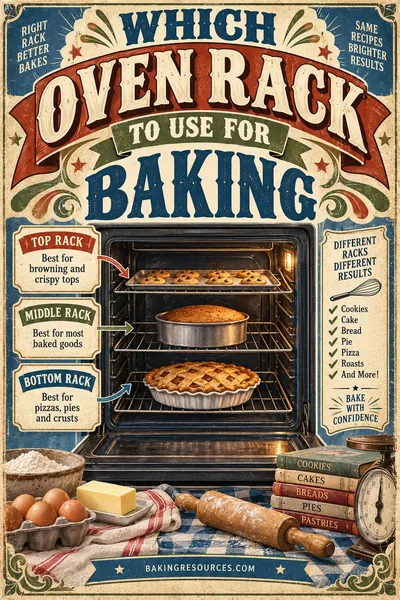 Baking guideWhich Oven Rack to Use for Baking: Top, Middle, LowRead the guide →
Covered or uncovered?
This one choice makes the biggest difference. Here's the rule of thumb:
- Cover anything that should stay soft or moist: rolls, casseroles, mashed potatoes, rice, sliced meat, vegetables. Foil traps the steam.
- Don't cover anything that should stay crisp: fries, waffles, fried chicken, roasted potatoes, pizza. Trapped steam turns the crust soggy.
- Use a wire rack set in a sheet pan for crispy foods, so air can get underneath. Otherwise the bottoms steam and go limp.
Keeping breakfast warm: pancakes, waffles and bacon
Making pancakes for a crowd? This is where the warm oven really shines. Set it to 200°F, put a wire rack in a sheet pan, and move each batch onto the rack in a single layer as it comes off the griddle. Don't stack them. Stacked pancakes steam each other and go gummy.
Waffles work the same way and stay crisp. Cooked bacon can sit on a paper-towel-lined plate in the oven. Scrambled eggs are the tricky one: they overcook fast, so make them last and serve them right away.
Holding holiday dinner sides
A big dinner is mostly a timing puzzle, and a warm oven buys you breathing room. A few tips:
- Bake the rolls last, while the main dish rests. Wrap them in foil and hold them at 170°F for up to 30 minutes. Our dinner rolls recipe has a timing plan built in.
- Hold casseroles at 200°F, covered. Add a splash of milk or broth to anything creamy before it goes in.
- Use your slow cooker too. Mashed potatoes and stuffing hold beautifully on the "warm" setting, which frees up oven space.
- Got a convection oven? Turn the fan off for holding if you can. The moving air dries food out faster. Here's more on convection vs conventional ovens.
 Baking guideDinner Rolls Recipe: Soft, Fluffy and Easy to TimeLearn more →
 Baking guideConvection vs Conventional Oven: When to Use WhichTake a look →
Common mistakes when keeping food warm
- Setting it too high. At 250 or 300°F you're still cooking. Meat turns tough, and casseroles dry out at the edges.
- Using the warm oven to reheat cold food. 200°F is too low to heat leftovers quickly and safely. Reheat them until they reach 165°F, then lower the oven to hold.
- Stacking crispy food. Pancakes, fries and waffles need a single layer.
- Holding for hours. Even when it's safe, food past the 1 to 2 hour mark starts tasting tired. Plan your timing so the warm oven is a bridge, not a parking lot.
- Letting food cool and then "warming" it. Hot food shouldn't sit out more than 2 hours (1 hour if it's above 90°F, like at a summer picnic). If it's been sitting longer, play it safe and toss it.
Is it safe to keep food warm in the oven?
Yes, as long as the food stays at 140°F or hotter. That's the temperature US food-safety guidance uses for holding hot food, because bacteria grow fastest between 40 and 140°F. An oven at 170 to 200°F keeps most dishes comfortably above that line.
If you're unsure, check with an instant-read thermometer in the thickest part of the dish. Anything under 140°F should be reheated to 165°F or served right away.
Planning the rest of the meal? Our oven temperature converter handles every recipe that's written in °C or gas mark, and the baking tools on our home page can scale any recipe for your crowd.
More free baking tools

Questions people ask
What temperature should the oven be to keep food warm?
Set the oven to 170 to 200°F (77 to 93°C). That keeps hot food above 140°F, the safe holding temperature, without cooking it much further. Use 200°F for casseroles and crispy foods, and the low end for bread and delicate dishes.
What temperature is the warm setting on an oven?
It varies by brand, but most oven "warm" settings run somewhere around 150 to 200°F. If your oven doesn't have one, set it to its lowest temperature, which is usually 170°F.
How long can you keep food warm in the oven?
Food that stays at 140°F or hotter is safe, so quality is the real limit. Most dishes are best within 30 to 60 minutes. Covered casseroles can hold up to about 2 hours, while pancakes, fries and bread are best within 15 to 30 minutes.
Can I keep food warm at 250°F?
You can for a short time, but 250°F keeps cooking the food. Meats overcook, casseroles dry out at the edges and bread gets hard. Stay at 200°F or below unless the food needs a quick reheat.
Should I cover food to keep it warm in the oven?
Cover moist foods like casseroles, mashed potatoes, rolls and sliced meat with foil so they don't dry out. Leave crispy foods like fries, waffles and fried chicken uncovered on a wire rack so they don't go soggy.
Can I use the oven to reheat cold food and keep it warm?
Reheat it first. A 200°F oven is too low to heat cold leftovers quickly and safely. Reheat them until they reach 165°F in the center, then lower the oven to hold them.