Bread Crust Too Hard? Causes and Fixes for a Softer Crust

A bread crust too hard to slice is usually caused by baking too long or too hot, using steam when you wanted a soft loaf, leaving a lean dough with no fat or sugar, or cooling and storing the bread uncovered. For a softer crust, bake at a moderate temperature only until the loaf is done, brush the top with melted butter as soon as it comes out of the oven, and cover it loosely with a clean towel while it cools.
A thick, crunchy crust is exactly what you want on a rustic loaf. On a sandwich loaf, dinner rolls or a soft family bread, though, it is a problem: it fights the knife, scrapes the roof of your mouth, and makes kids pick the edges off every slice. This guide focuses only on the crust, not the crumb inside. It walks through each cause, how to tell which one is behind your loaf, and the simple changes that give you a thinner, softer crust next time.
Bread Crust Too Hard? Quick Fix Table
Find what you see, then use the fix. Each cause is explained in more detail below.
| What you notice | Likely cause | Fix for a softer crust |
|---|---|---|
| Thick, dark, very hard crust all over | Baked too long | Pull the loaf as soon as it is done |
| Hard, dark top but pale sides | Oven too hot or loaf too high in oven | Lower the temperature; use the middle rack |
| Crisp, crackly, glossy crust | Steam during baking | Skip steam for soft loaves |
| Dry, tough crust on a plain dough | Lean dough with no fat or sugar | Add butter, oil, milk, sugar or honey |
| Crust hardens as the loaf cools | Cooling uncovered | Brush with butter; cover with a towel |
| Crust goes hard by the next day | Stored uncovered or in the fridge | Store at room temperature in a bag or box |
| Very thick crust on a small loaf | Pan too large or dark pan | Use the right pan size; consider a lighter pan |
| Leathery, tough crust | Dough dried out during rising | Cover dough well while it rises |
Cause 1: Baking Too Long
The longer a loaf bakes, the more moisture leaves the outer layer, and the thicker and harder the crust becomes. Many home bakers bake until the crust looks very dark to be sure the inside is done, and that extra time is what turns the crust hard.
How to fix it:
- Check the bread at the earliest time in the recipe, not the latest.
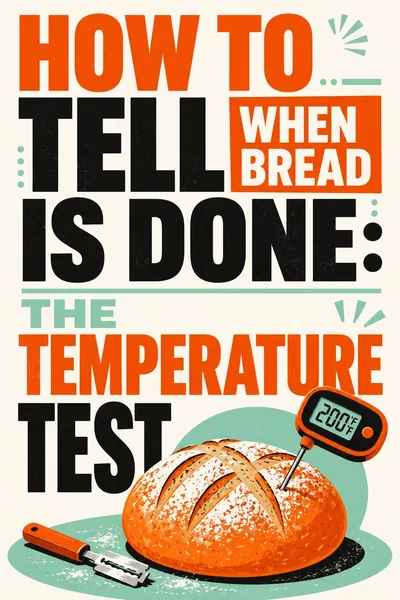
- Use an instant-read thermometer in the center of the loaf. Soft sandwich breads are usually done somewhere around 190°F, and lean crusty breads often go a little higher. Follow your recipe's guidance.
- Use other signs too: the loaf sounds hollow when tapped on the bottom, and the crust is golden rather than dark brown.
Our guide on how to tell when bread is done covers these doneness checks in detail. Once you can confidently tell that the loaf is done, you will stop overbaking "just to be safe," and the crust will soften on its own.
If you are adapting a recipe to a different pan or loaf size, the baking time calculator gives you a starting estimate so you are not guessing.
Cause 2: Oven Too Hot or Rack Too High
A very hot oven browns the outside of the loaf quickly. By the time the inside is fully baked, the outside has spent a long time at high heat, and the crust is thick and hard.
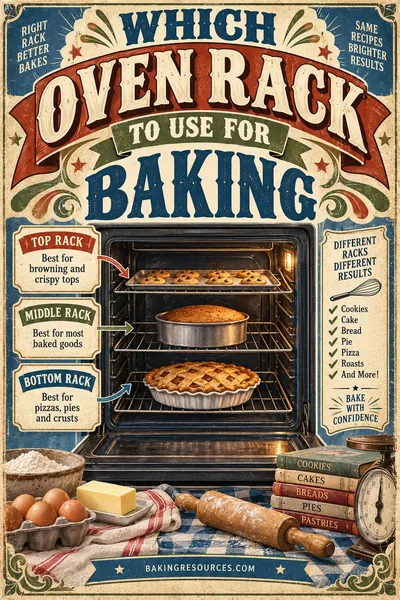
Rack position matters, too. A loaf on the top rack gets more direct heat from the top of the oven, so the top crust browns and hardens faster than the sides.
How to fix it:
- Bake soft sandwich loaves and rolls at a moderate temperature, often around 350°F to 375°F, unless your recipe says otherwise.
- Bake on the middle rack so the loaf gets even heat from all sides.
- If the top browns before the loaf is done, tent it loosely with foil for the rest of the bake.
- Check your oven temperature with an oven thermometer. Ovens that run hot are common.
Not sure where your loaf should sit? See which oven rack to use for a rack-by-rack guide.
Cause 3: Using Steam When You Want Soft Bread
Steam is a key tool for crusty breads. It keeps the surface moist in the first part of the bake, so the loaf rises fully, and then it creates that thin, crackly, glossy crust. That is wonderful for a rustic loaf, but it is the wrong choice for soft sandwich bread.
How to fix it:
- For soft loaves, skip the pan of water, ice cubes or spraying the oven.
- Bake soft breads in a dry oven.
- If your recipe was written for a crusty loaf and you want it softer, leave the steam out and lower the temperature slightly.
Cause 4: A Lean Dough
A dough made only from flour, water, yeast and salt is called a lean dough. Lean doughs naturally produce a crisper, harder crust. Doughs that include fat, sugar or milk are called enriched doughs, and they bake into softer, more tender crusts.
Ingredients that soften the crust:
- Butter or oil: Fat coats the gluten strands and keeps the crust tender.
- Milk: The milk sugars and fat help the crust brown at a lower temperature and stay softer.
- Sugar or honey: These help the crust brown faster, so the loaf can bake at a lower temperature, and they keep it more tender.
- Eggs: Add richness and tenderness.
How to fix it: If you like a recipe but want a softer crust, try replacing some of the water with milk, or adding a few tablespoons of softened butter or oil. These changes affect the dough, so make one change at a time and note what you did.
Cause 5: Cooling Uncovered
As bread cools, moisture moves from the inside of the loaf outward. If the loaf cools uncovered, that moisture evaporates from the crust, and the crust stays dry and hard. If the loaf is covered, some of that moisture is trapped in the crust, softening it.
How to fix it:
- Brush with butter. As soon as the loaf comes out of the oven, brush the top with melted butter. This is the fastest and most effective way to soften a crust.
- Cover with a towel. Turn the loaf out onto a cooling rack and drape a clean kitchen towel loosely over it while it cools.
- Do not seal it while hot. Wrapping a hot loaf in plastic traps too much steam and can make the crust soggy or the bottom gummy. Wait until it is completely cool before bagging it.
Cause 6: Storing the Bread the Wrong Way
Even a soft crust can turn hard by the next day if the bread is stored uncovered, and the refrigerator makes bread go stale faster.
How to fix it:
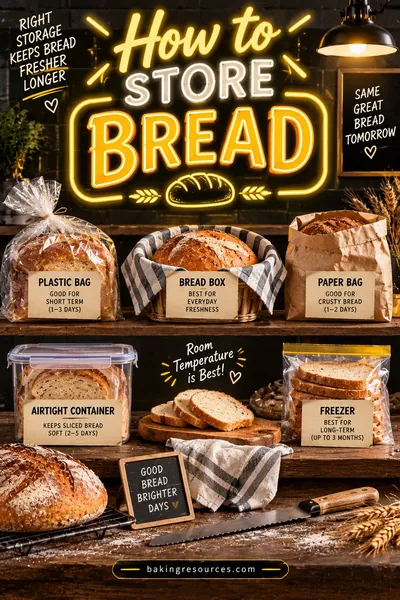
- Store soft bread at room temperature in a plastic bag or a bread box once it has fully cooled.
- Avoid refrigerating bread. The cold temperature speeds up staling, which makes the crust and crumb firm.
- Freeze any bread you will not eat within a couple of days.
Our guide on how to store bread covers the best options for both soft and crusty loaves.
Cause 7: Pan Size and Pan Color
The pan you use affects the crust as well.
- Pan too big: The dough spreads out instead of rising tall, so more surface area is exposed to heat, and the loaf bakes faster on the outside.
- Dark metal pans: These absorb more heat and give a darker, thicker bottom and side crust.
- Glass pans: These hold heat well and can also give a darker crust.
How to fix it: Use the pan size your recipe calls for. If your dark pan gives a hard crust, lower the oven temperature by about 25°F or switch to a light-colored metal pan.
Cause 8: Dough Dried Out During Rising
If the dough is left uncovered while it rises, the surface dries out and forms a thin skin. That skin bakes into a leathery, tough crust.
How to fix it:
- Cover the dough with plastic wrap, a damp towel, or an upside-down bowl while it rises.
- Lightly oil the surface of the dough before covering it.
- Rise the dough in a draft-free spot.
How to Get a Soft Crust Every Time
If your main goal is a soft crust, here is a simple checklist that combines all the fixes above:
- Use an enriched dough with butter, oil, milk or a little sugar.
- Cover the dough while it rises so the surface does not dry out.
- Bake at a moderate temperature on the middle rack.
- Skip the steam.
- Brush the top with an egg wash or milk before baking for a softer, more tender surface, if your recipe allows.
- Bake only until done, using a thermometer or the tap test.
- Brush with melted butter as soon as the loaf comes out of the oven.
- Cool on a rack under a clean towel.
- Store at room temperature in a bag or bread box once completely cool.
How to Soften a Loaf That Is Already Too Hard
Already baked a loaf with a crust that is too hard? You can still rescue it.
- Butter and cover: If the loaf is still warm, brush it with butter and wrap it loosely in a towel.
- Bag it once cool: Place the cooled loaf in a plastic bag overnight. Moisture from the crumb will move into the crust and soften it.
- Steam briefly: Wrap slices in a slightly damp paper towel and warm them in the microwave for a few seconds. Eat them right away, as they will harden again as they cool.
- Cut thin slices: A serrated bread knife and thin slices make a hard crust easier to eat.
- Use it differently: Turn very crusty bread into toast, croutons, bread pudding or breadcrumbs.
Soft Crust vs Crusty Bread: Choosing on Purpose
Sometimes a hard crust is exactly right. Here is how the two styles compare, so you can choose on purpose.
| Feature | Soft crust | Crisp, crusty loaf |
|---|---|---|
| Typical breads | Sandwich bread, dinner rolls, buns | Rustic loaves, baguettes, hearth breads |
| Dough | Enriched (fat, milk, sugar) | Lean (flour, water, yeast, salt) |
| Oven temperature | Moderate | High |
| Steam | No | Yes, especially early in the bake |
| After baking | Butter brush, cover with towel | Cool uncovered on a rack |
| Storage | Plastic bag or bread box | Paper bag or cut side down on a board |
Common Mistakes to Avoid
Baking until the crust is very dark "just to be safe." Use a thermometer or the tap test instead.
Using the top rack. The top crust browns and hardens too fast. Use the middle rack.
Adding steam to a soft bread recipe. Steam makes the crust crisp and crackly. Leave it out for sandwich loaves.
Cooling a soft loaf uncovered. Cover it with a towel and brush it with butter.
Refrigerating bread. The fridge makes bread stale and firm faster. Store it at room temperature or freeze it.
Leaving dough uncovered while it rises. The surface dries and bakes into a tough skin.
FAQ
Why is my bread crust too hard?
The most common reasons are baking too long or too hot, using steam, a lean dough with no fat or sugar, or cooling and storing the loaf uncovered. Bake at a moderate temperature, pull the loaf as soon as it is done, and cover it while it cools.
How do I make my bread crust softer?
Brush the hot loaf with melted butter, cover it with a clean towel while it cools, and store it in a bag once completely cool. For the next loaf, use an enriched dough with butter, oil or milk and skip the steam.
Does brushing bread with butter soften the crust?
Yes. Brushing melted butter on the crust right after baking adds fat and helps trap moisture, so the crust stays soft and tender as the loaf cools.
Should I cover bread while it cools?
For a soft crust, yes. Drape a clean towel loosely over the loaf. For a crusty loaf, cool it uncovered on a rack. Do not seal any loaf in plastic until it is completely cool.
Can steam make a bread crust too hard?
Steam gives bread a crisp, crackly crust, which is great for rustic loaves but not for soft sandwich bread. Leave out the steam when you want a soft crust.
How do I soften a hard bread crust after baking?
Place the cooled loaf in a plastic bag overnight so moisture from the inside softens the crust. You can also warm slices briefly wrapped in a damp paper towel and eat them right away.
Does milk make a softer crust than water?
Yes, generally. Milk adds fat and sugars that help the crust brown at a lower temperature and stay more tender than a crust made with water alone.